
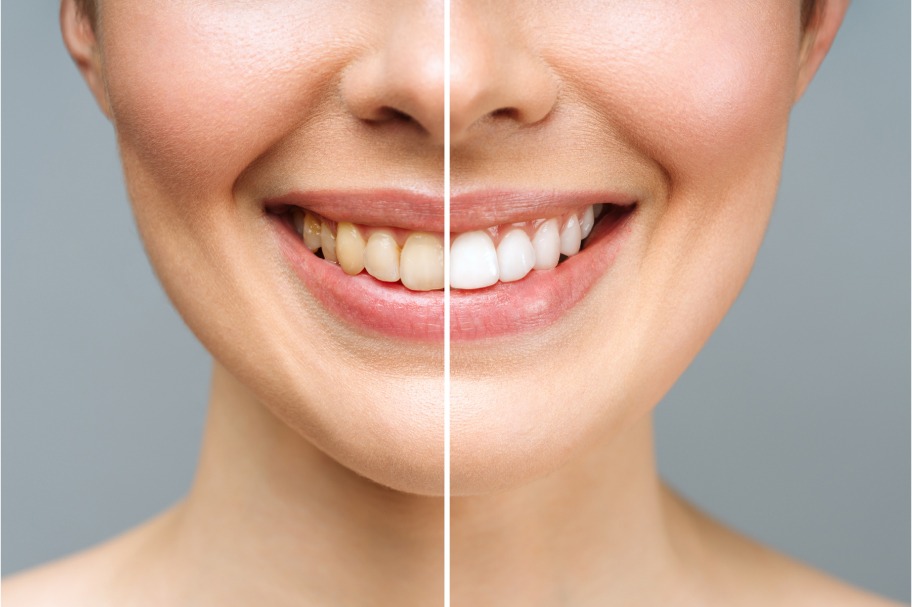
Teeth whitening cost usually ranges from about $10–$60 for many over-the-counter whitening products, $150–$600 for dentist-supervised take-home whitening kits, and $300–$1,000 or more for professional in-office whitening, depending on the whitening method, provider, location, stain type, oral health needs, and whether a dental exam or cleaning is recommended before treatment.
Professional whitening generally costs more than drugstore whitening because it includes a dental evaluation, stronger whitening materials, gum protection, shade planning, and professional guidance to reduce avoidable sensitivity or uneven results.
At Vaksman Dental Group in South San Francisco, teeth whitening recommendations are based on your tooth shade, gum health, sensitivity, stain type, existing dental work, and cosmetic goals. Whitening can brighten natural tooth enamel, but it does not change the color of crowns, veneers, fillings, bonding, or other restorations.
Key Takeaways
- Over-the-counter whitening is usually the lowest-cost option, but results are often slower, milder, and less predictable.
- Dentist-supervised take-home kits usually cost more than OTC products but include professional guidance and may include custom trays.
- Professional in-office whitening is usually the fastest option and may be best for patients who want noticeable results before an event.
- Teeth whitening is usually not covered by dental insurance because it is considered cosmetic.
- Whitening works on natural teeth, not crowns, veneers, fillings, bonding, or implants.
- A dental consultation is important if you have sensitivity, gum inflammation, cavities, worn enamel, or visible dental work.
Teeth Whitening Cost by Option
| Whitening Option | Typical Cost Range | Typical Timeline | Best For | What to Know |
| Whitening toothpaste | $5–$20 | Daily use over time | Surface stains | Helps polish external stains but may not dramatically change tooth color |
| OTC whitening strips or gels | $10–$60 | Several days to a few weeks | Budget-friendly whitening | Lower whitening concentration than dentist-supervised options |
| OTC tray or LED kits | $25–$150+ | 1–4 weeks | Mild to moderate stains | Tray fit and gum protection may be less precise |
| Dentist take-home whitening kit | $150–$600 | A few days to a few weeks | Gradual whitening with professional guidance | May include custom trays and dentist instructions |
| Professional in-office whitening | $300–$1,000+ | Often one visit | Faster, more noticeable whitening | Higher cost because treatment is supervised in a dental office |
These are general cost ranges, not a guaranteed quote. Your actual cost depends on your whitening goals, current tooth shade, stain type, sensitivity risk, oral health, and whether you need any dental care before whitening.
Professional Teeth Whitening Cost in South San Francisco
If you are searching for teeth whitening cost near me or professional teeth whitening cost in South San Francisco, the most accurate price comes after a dental evaluation. Local pricing can vary based on the whitening system used, the provider, the appointment length, materials, and whether the plan includes take-home maintenance.
Vaksman Dental Group provides teeth whitening consultations in South San Francisco for patients who want to understand whether professional whitening is appropriate for their smile. Before recommending whitening, the dental team evaluates oral health, sensitivity, restorations, stain type, shade goals, and comfort needs.
Professional vs. At-Home Teeth Whitening: What’s the Difference?
Professional and at-home whitening both aim to brighten natural teeth, but they differ in speed, supervision, tray fit, whitening strength, and predictability.
| Factor | Professional In-Office Whitening | Dentist Take-Home Kit | Over-the-Counter Whitening |
| Speed | Fastest | Gradual | Slowest |
| Supervision | Dentist-supervised | Dentist-guided | Self-directed |
| Tray fit | Office-controlled protection | Often custom-fitted | Generic trays or strips |
| Whitening strength | Usually stronger | Professional-grade at-home | Lower concentration |
| Sensitivity management | Monitored by dental team | Guided by dentist | Depends on product instructions |
| Best for | Faster results and event preparation | Controlled whitening at home | Mild stains and lower budget |
What Affects Teeth Whitening Cost?
Several factors can affect the final cost of teeth whitening.
Whitening Method
In-office whitening usually costs more than OTC whitening because it involves professional supervision, office time, materials, and protection for the gums and lips. Dentist take-home kits are typically less expensive than in-office whitening but more customized than drugstore products.
Stain Type
Yellowing from coffee, tea, red wine, tobacco, aging, or dark foods may respond differently than deeper discoloration. Some stains are external and easier to brighten, while others are internal and may need a different cosmetic approach.
Oral Health
Cavities, gum inflammation, exposed roots, enamel wear, cracked teeth, or existing sensitivity may need to be addressed before whitening. Whitening over untreated dental problems can increase discomfort or lead to uneven results.
Existing Dental Work
Crowns, veneers, fillings, dental bonding, and implants do not whiten like natural enamel. If these restorations are visible when you smile, whitening your natural teeth may create a color mismatch.
Location
Dental fees vary by city and region. Teeth whitening cost in the Bay Area may differ from national averages or pricing in other parts of the country.
Maintenance
Touch-up gel, whitening trays, sensitivity products, routine cleanings, and follow-up visits can affect the total long-term cost of keeping your smile bright.
Is Professional Teeth Whitening Worth the Cost?
Professional teeth whitening may be worth it if you want faster results, dentist supervision, more controlled whitening, or guidance because you have sensitivity, restorations, uneven staining, or an upcoming event.
Over-the-counter whitening may be a reasonable option for mild stains and smaller budgets, but it usually takes longer and may not provide the same level of customization. A dentist-supervised plan can help determine whether in-office whitening, take-home whitening, or a different cosmetic option is best for your teeth.
Does Insurance Cover Teeth Whitening?
Dental insurance usually does not cover teeth whitening because it is considered a cosmetic procedure. Some dental plans, discount programs, or membership plans may offer savings, but standard insurance benefits often exclude elective whitening.
Before scheduling treatment, ask your dental office to explain your options and confirm whether your plan offers any whitening-related discounts.
How Much Does Teeth Whitening Cost Without Insurance?
Without insurance, patients usually pay the full cost of whitening. OTC products are usually the least expensive option, while professional in-office whitening is usually the most expensive.
Patients without dental insurance can still ask about payment options, membership plans, or financing. Vaksman Dental Group accepts PPO plans and offers membership options for patients without insurance.
Can You Use HSA or FSA Funds for Teeth Whitening?
In most cases, teeth whitening is considered cosmetic, so it is usually not eligible for HSA or FSA reimbursement. Because plan rules can vary, patients should check with their HSA or FSA administrator before using those funds for whitening.
Is Teeth Whitening Safe?
Teeth whitening can be safe when used correctly, but overuse or poor product fit can increase the risk of tooth sensitivity, gum irritation, or enamel concerns.
The American Dental Association explains that whitening treatments may include in-office bleaching, dentist-supplied at-home products, and over-the-counter products. Common whitening agents include hydrogen peroxide and carbamide peroxide. Temporary tooth sensitivity and gum irritation are among the most common side effects.
A dentist-supervised whitening plan can help reduce avoidable problems by checking your gums, enamel, restorations, cavities, and sensitivity before whitening begins.
Does Teeth Whitening Damage Enamel?
Teeth whitening does not automatically damage enamel when products are used properly and as directed. However, overusing whitening products, using abrasive “natural” methods, or applying whitening gel incorrectly can increase the risk of irritation, sensitivity, and enamel or gum problems.
Patients with worn enamel, exposed roots, active cavities, gum disease, or existing sensitivity should talk with a dentist before whitening.
How Long Do Teeth Whitening Results Last?
Whitening results vary from patient to patient. Results may last several months or longer depending on oral hygiene, diet, enamel condition, tobacco use, and maintenance habits.
To help whitening results last longer:
- Brush and floss consistently.
- Keep up with routine dental cleanings.
- Limit coffee, tea, red wine, soda, dark sauces, and tobacco.
- Rinse with water after stain-causing foods or drinks.
- Use a straw for staining beverages when appropriate.
- Follow your dentist’s touch-up instructions.
- Avoid overusing whitening products.
Who Is a Good Candidate for Teeth Whitening?
You may be a good candidate for teeth whitening if you:
- Have healthy natural teeth and gums.
- Want to brighten yellow or stained natural enamel.
- Have realistic expectations about shade improvement.
- Do not have untreated cavities or active gum inflammation.
- Understand that restorations will not whiten.
- Can follow aftercare and maintenance instructions.
A consultation is the best way to know whether professional whitening, take-home whitening, OTC whitening, or another cosmetic treatment is more appropriate.
When Teeth Whitening May Not Be the Best Option
Teeth whitening may not be the right first step if you have untreated tooth decay, gum disease, severe sensitivity, exposed roots, worn enamel, or visible crowns, veneers, fillings, bonding, or implants that may no longer match after whitening.
Some deep stains may also respond better to cosmetic dental bonding, veneers, or another treatment. If your goal is a full smile makeover, your dentist may recommend whitening before placing new restorations so the restorations can be matched to your preferred tooth shade.
How to Save on Teeth Whitening Without Choosing the Wrong Option
The cheapest whitening option is not always the best option for your smile. To control cost while protecting your teeth:
- Start with a dental consultation if you have sensitivity, restorations, or gum concerns.
- Ask whether a dentist-supervised take-home kit is a better value for your goals.
- Choose ADA-accepted OTC products when using whitening products at home.
- Avoid using multiple whitening products at the same time.
- Do not leave whitening products on longer than directed.
- Keep up with dental cleanings to reduce surface stains.
- Limit coffee, tea, red wine, tobacco, and dark sauces after whitening.
- Ask about membership plans, financing, or payment options before treatment.
Teeth Whitening Cost Near Me: Why a Consultation Matters
Online cost ranges are helpful, but they cannot tell you exactly what your teeth need. Two patients may pay different amounts because they have different stain types, sensitivity levels, restorations, oral health needs, and whitening goals.
A teeth whitening consultation helps answer important questions such as:
- Are your teeth and gums healthy enough for whitening?
- Will whitening work on your type of discoloration?
- Do you have fillings, crowns, veneers, or bonding that may not match afterward?
- Are you at higher risk for sensitivity?
- Would in-office whitening or take-home whitening be a better fit?
- How can you maintain your results after treatment?
Visit Vaksman Dental Group for Teeth Whitening in South San Francisco
If you want to understand your teeth whitening cost and the safest option for your smile, Vaksman Dental Group can evaluate your tooth shade, sensitivity, oral health, stain type, restorations, and goals before recommending a whitening plan.
Vaksman Dental Group is located at 1241 Mission Road, South San Francisco, CA 94080. The office serves patients throughout the Bay Area and offers professional dental care in a welcoming environment.
Ready to learn which whitening option fits your smile? Schedule a teeth whitening consultation with Vaksman Dental Group in South San Francisco.
Frequently Asked Questions
How expensive is it to get teeth whitened?
Teeth whitening can cost about $10–$60 for many OTC products, $150–$600 for dentist take-home kits, and $300–$1,000 or more for professional in-office whitening. Your exact cost depends on the whitening method, location, provider, stain type, oral health, and treatment plan.
How much is a full set of tooth whitening?
Most whitening treatments are planned for the visible smile area rather than priced tooth by tooth. In-office whitening often has one treatment fee, while dentist take-home kits may include trays and whitening gel. A dentist can explain whether your full visible smile can be whitened evenly.
How much does professional teeth whitening cost?
Professional teeth whitening commonly ranges from about $300–$1,000 or more for in-office treatment. Dentist-supervised take-home kits may range from about $150–$600. Local fees vary by provider, whitening system, and treatment plan.
How much does teeth whitening cost without insurance?
Without insurance, patients usually pay the full whitening cost because teeth whitening is considered cosmetic. OTC products are the lowest-cost option, while dentist-supervised whitening costs more but includes professional guidance.
Does insurance cover teeth whitening?
Dental insurance usually does not cover teeth whitening because it is considered an elective cosmetic treatment. Some dental plans, discount programs, or membership plans may offer savings, so it is best to ask before treatment.
Is professional teeth whitening worth it?
Professional whitening may be worth it if you want faster results, dentist supervision, better gum protection, shade planning, or help managing sensitivity. OTC whitening may be enough for mild stains, but it is usually slower and less customized.
Can yellow teeth become white again?
Many yellow-looking natural teeth can become brighter with whitening, especially when discoloration comes from coffee, tea, red wine, tobacco, aging, or surface stains. Results vary, and some stains or restorations may not respond to whitening.
Does teeth whitening damage enamel?
Whitening does not automatically damage enamel when used correctly, but overuse or misuse can irritate teeth and gums. Patients with sensitivity, enamel wear, gum disease, cavities, or restorations should talk with a dentist before whitening.
Why are whitening strips cheaper than professional whitening?
Whitening strips are cheaper because they are mass-produced, use lower whitening concentrations, and do not include a dental exam, custom trays, gum protection, shade planning, or professional supervision.
How long do teeth whitening results last?
Results vary. Many patients maintain a brighter smile for several months or longer depending on diet, oral hygiene, tobacco use, enamel condition, and touch-up habits.
Does whitening work on crowns, veneers, fillings, or bonding?
No. Whitening works on natural tooth enamel. Crowns, veneers, fillings, bonding, implants, and other restorations do not whiten the same way, so a dentist should check visible dental work before treatment.
Medical Disclaimer
This article is for educational purposes only and is not a diagnosis or treatment plan. Teeth whitening may not be appropriate for every patient. A dental consultation is needed to evaluate your oral health, sensitivity, restorations, and whitening goals before treatment.