- Dental veneers are thin, custom shells bonded to the front of your teeth to improve color, shape, size, or alignment.
- Our dentists in South San Francisco offer both porcelain and composite veneers, so we can match the option to your goals and budget.
- Veneers can cover chips, deep stains, small gaps, and worn or uneven teeth in just a few visits.
- Porcelain veneers typically last longer and resist stains well; composite veneers often cost less and can usually be done in a single visit.
- Good daily brushing, flossing, and regular checkups help your veneers last for many years.
A dental veneer is a thin, custom-made shell that a dentist bonds to the front of a tooth to improve its color, shape, size, or alignment. At Vaksman Dental Group in South San Francisco, our dentists use both porcelain and composite veneers to correct chips, stains, gaps, and worn or uneven teeth — giving you a brighter, more even smile while keeping the look natural.
What Are Dental Veneers?
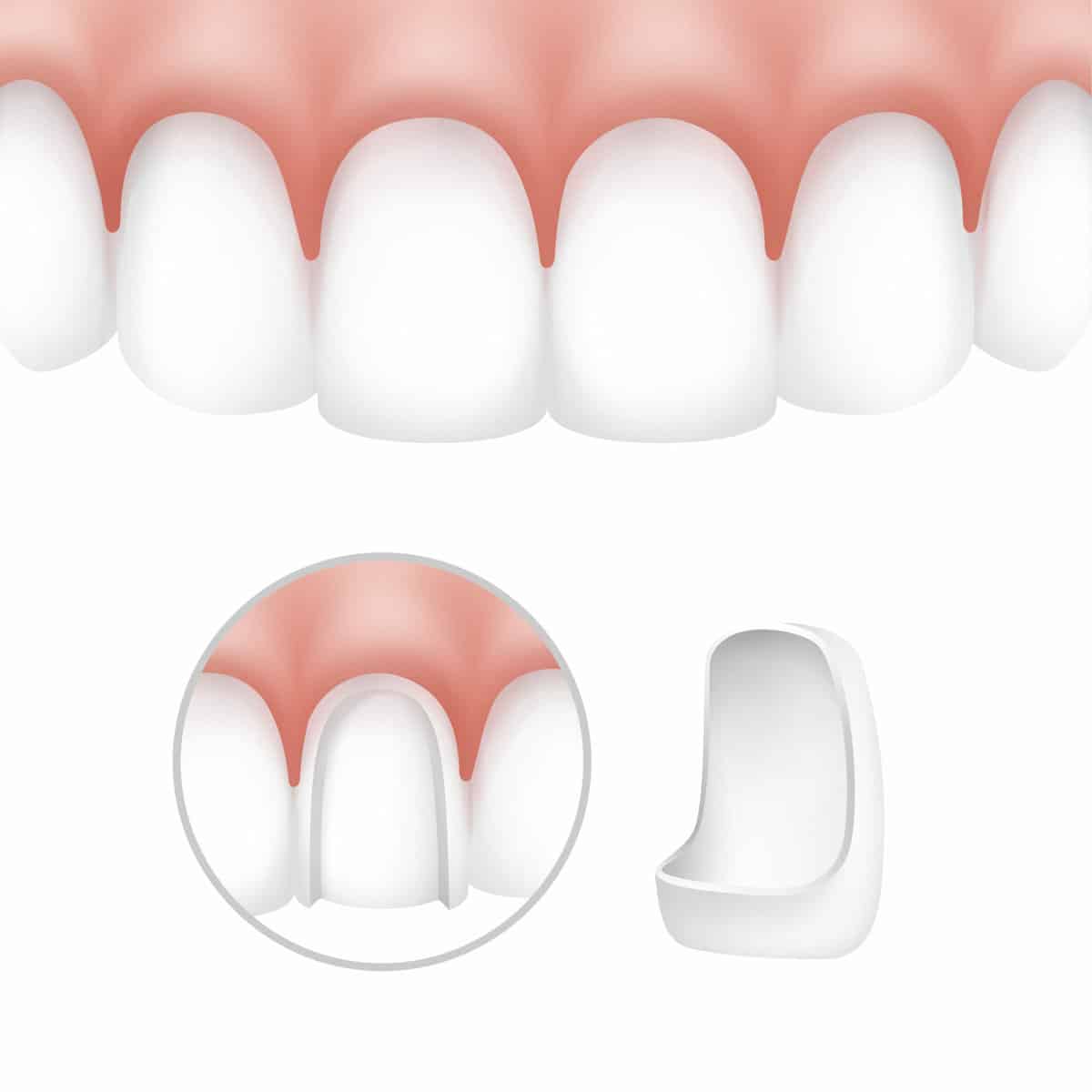
Veneers are wafer-thin coverings, often about the thickness of a fingernail, that fit over the visible front surface of a tooth. According to the American Dental Association’s consumer site, they are custom-made from high-quality dental material to look like natural teeth (MouthHealthy.org). Because each veneer is shaped and shaded just for you, the goal is a result that blends with your smile rather than standing out.
There are two main types we offer:
- Porcelain veneers — crafted in a dental lab (or, when appropriate, milled in our office), they are strong, stain-resistant, and reflect light much like natural enamel.
- Composite veneers — sculpted directly onto the tooth from a tooth-colored resin, often in a single visit and usually at a lower cost.
Who Can Veneers Help?
Veneers are a cosmetic option, so they are a good fit for people who are happy with their overall dental health but want to refine how their teeth look. Our dentists often recommend a veneer consultation if you have:
- Chipped, cracked, or worn-down front teeth
- Deep stains that whitening alone may not fully lift
- Small gaps between teeth you would like to close
- Teeth that look uneven, slightly crooked, or too small
Veneers are not a treatment for decay or gum disease. If our team finds a cavity or gum issue during your exam, we typically take care of that first so your new smile rests on a healthy foundation. Patients who grind their teeth at night may also need a night guard to protect the work.
What to Expect: The Veneer Process
Most veneer treatment plans follow a few clear steps:
- Consultation and exam. Your dentist reviews your goals, checks your teeth and gums, and may take digital X-rays or photos. We use Pearl AI, an FDA-cleared tool that helps our dentists review X-rays, as a second set of eyes during diagnosis.
- Preparation. For porcelain veneers, a small amount of enamel is usually removed so the veneer fits flush. Composite veneers often need little to no enamel removal.
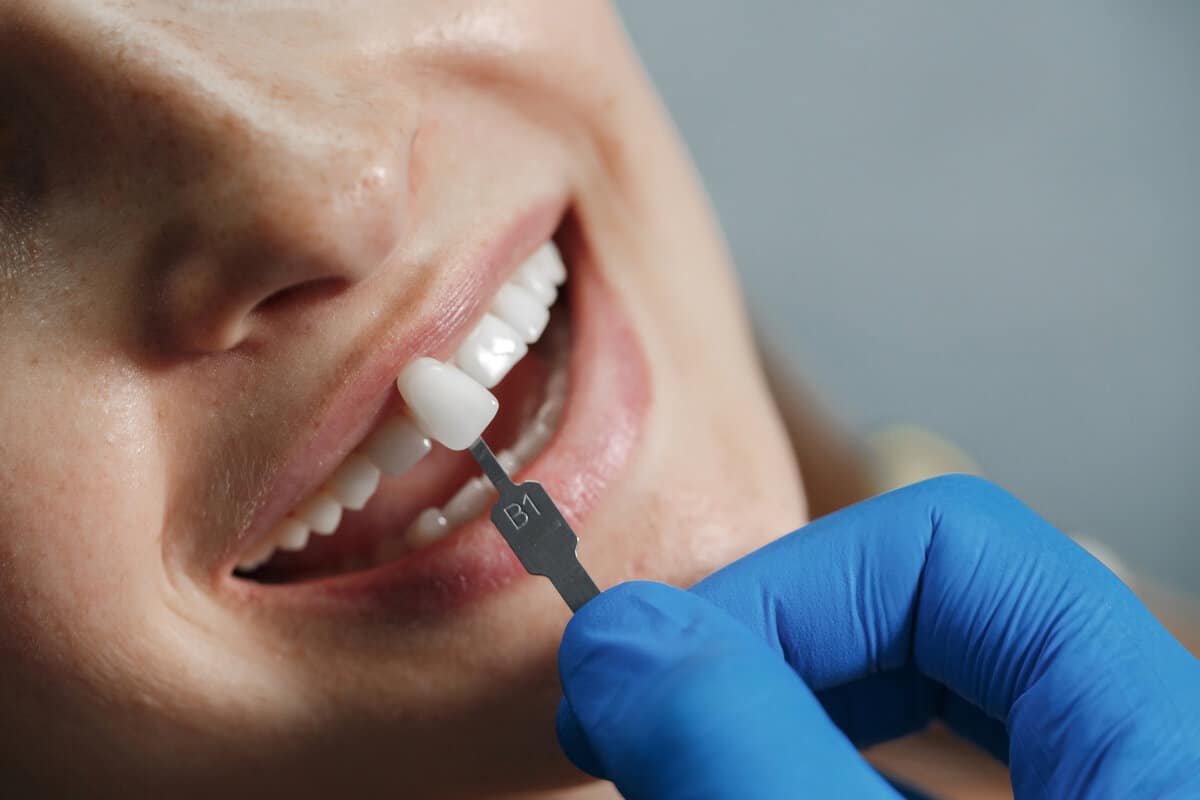
- Impressions or scans and shade matching. We capture the shape of your teeth and choose a color that fits your smile. Same-visit options like CEREC let us design certain restorations digitally in our South San Francisco office.
- Bonding. Your dentist places the veneer, checks the fit and color, then bonds it with a special adhesive and a curing light.
Many patients feel little discomfort during the visit, though everyone is different. We are happy to talk through comfort options before we begin.
Benefits of Veneers
When veneers are a good match for your situation, they can offer real advantages:
- A more even, brighter-looking smile that can boost confidence
- Stain resistance, especially with porcelain
- A conservative approach that often removes less tooth structure than a crown
- Results that can correct several concerns — color, shape, and small spacing — at once
Veneers do have trade-offs. Enamel removed for porcelain veneers does not grow back, so the change is generally permanent, and veneers can chip or come loose over time and may eventually need replacement. Our dentists will walk you through both the upsides and the limits so you can make an informed choice.
How Much Do Veneers Cost?
Cost depends on the type of veneer, how many teeth you treat, and your specific case. As a national reference (these are general figures, not our office’s prices), porcelain veneers commonly run about $900 to $2,500 per tooth, while composite veneers often range from roughly $250 to $1,500 per tooth. Because veneers are usually cosmetic, dental insurance often does not cover them.
We will give you a clear, written estimate after your consultation and review any payment options before treatment. For more background on cosmetic care from a professional source, see the American Dental Association.
Caring for Your Veneers
Veneers are easy to live with. Treat them much like your natural teeth:
- Brush twice a day and floss daily
- Keep up with regular cleanings and exams so we can check the edges and bonding
- Avoid using your teeth as tools (opening packages, chewing ice or pens)
- Ask about a night guard if you clench or grind
With good habits, porcelain veneers can last many years, and composite veneers often last several years before they may need a touch-up or replacement.
Whether you are coming from South San Francisco, San Bruno, Daly City, Pacifica, Millbrae, Burlingame, or anywhere nearby, our team is glad to help you decide if veneers are right for you. If you are still weighing your options, our teeth whitening service may handle staining on its own, or Invisalign can address alignment without veneers. For a broader smile makeover, explore our cosmetic dentistry options in South San Francisco.
Frequently Asked Questions
Are dental veneers permanent?
Porcelain veneers are considered a long-term, generally permanent option because a thin layer of enamel is usually removed and does not grow back. Veneers can still chip or wear over time and may eventually need replacement, so your dentist will explain the lasting nature of treatment before you decide.
Do veneers hurt to get?
Most people feel little discomfort during a veneer visit, and we can use local anesthetic for the preparation step when needed. Some patients notice mild, temporary sensitivity afterward. We are always happy to discuss comfort options before we begin.
Porcelain or composite veneers — which is better for me?
It depends on your goals and budget. Porcelain veneers typically last longer and resist stains very well, while composite veneers often cost less and can usually be completed in a single visit. Our dentists can help you compare both during a consultation in South San Francisco.
How do I care for my veneers?
Brush twice daily, floss every day, and keep up with your regular cleanings and exams. Avoid biting hard objects, and ask about a night guard if you grind your teeth. With good care, veneers can serve you well for many years.
Written by the Vaksman Dental Group team and medically reviewed by Dr. Irena Vaksman, DDS — South San Francisco.