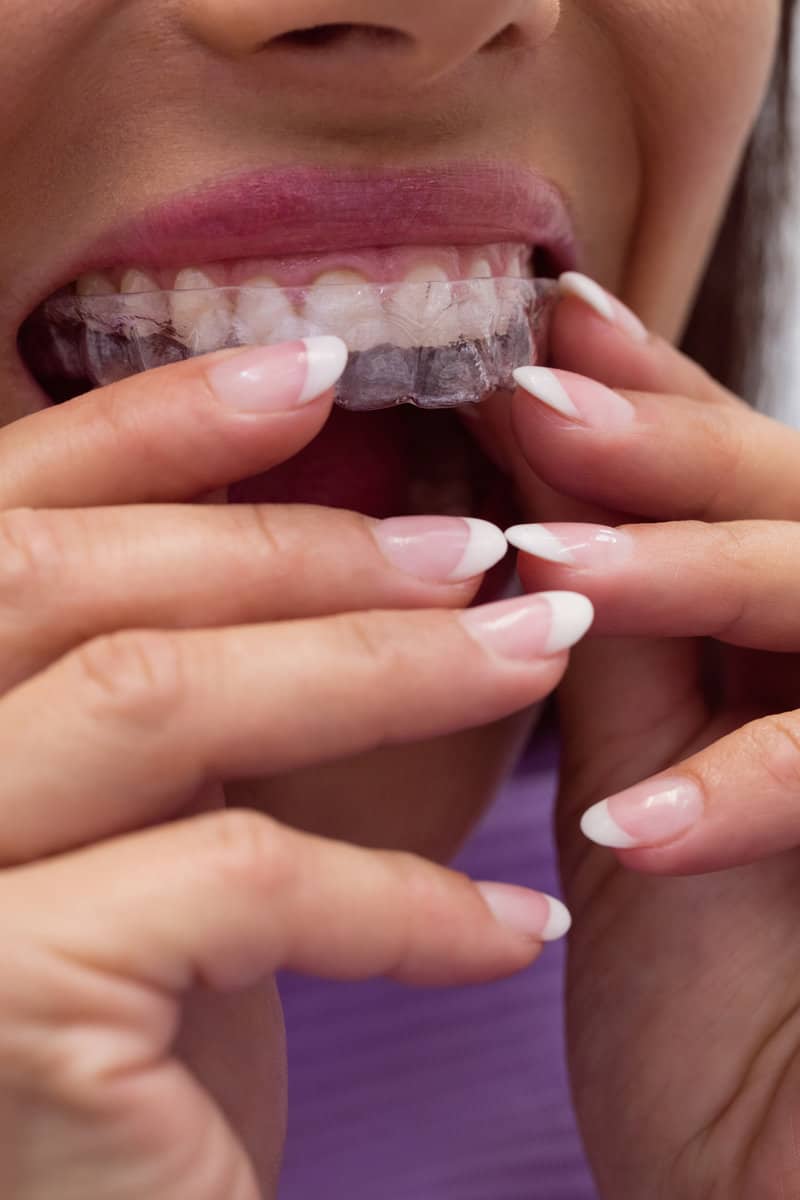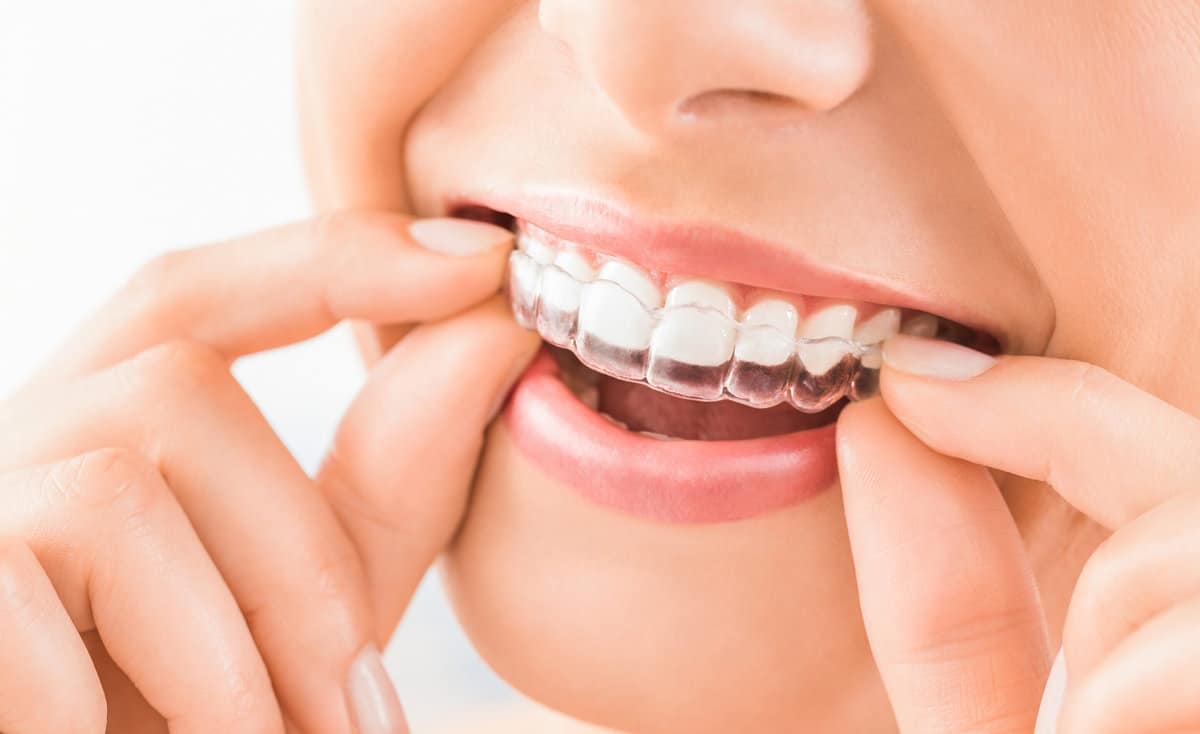
- Invisalign uses a series of clear, removable trays to gradually move teeth — a discreet alternative to metal braces.
- It can help with crowding, gaps, and many common bite problems, and the aligners come out for eating and brushing.
- Treatment often takes about 6 to 18 months, depending on how much your teeth need to move.
- Wearing your aligners 20 to 22 hours a day is the single biggest factor in getting the results you want.
- Our dentists in South San Francisco can tell you at a consultation whether clear aligners are a good fit for your smile.
Invisalign is a clear aligner system that straightens teeth using a series of custom-made, removable trays instead of metal brackets and wires. At Vaksman Dental Group in South San Francisco, our dentists use Invisalign to correct crowding, gaps, and bite issues with a discreet, comfortable alternative to braces — and because the trays come out, you can eat, brush, and floss the way you normally do.
What Is Invisalign?
Invisalign is a brand of clear aligner therapy, a type of orthodontic treatment that straightens teeth with thin, see-through plastic trays. Each tray is shaped a little differently from the last. As you move through the series, your teeth shift in small, planned steps toward their final position.
Unlike traditional braces, there are no metal brackets glued to your teeth and no wires to tighten. The aligners are smooth, custom-fit to your mouth, and easy to remove when you eat or clean your teeth. For many people in South San Francisco, San Bruno, and Daly City, that mix of comfort and discretion is the main reason they choose clear aligners over braces.
Who Can Invisalign Help?
Clear aligners can treat a wide range of mild to moderate orthodontic concerns. Our dentists often use Invisalign for people who have:
- Crowded teeth that overlap or sit too close together
- Gaps or spaces between teeth
- Mild to moderate bite problems, such as an overbite, underbite, or crossbite
- Teeth that have shifted after wearing braces years ago
Aligners work well for many teens and adults, but they are not the right tool for every situation. Very complex bite issues sometimes respond better to braces. The best way to know is a quick consultation, where your dentist looks at your teeth and your goals together. According to the American Dental Association’s MouthHealthy, properly aligned teeth can also be easier to clean, which may lower your risk of cavities and gum problems over time.
How Invisalign Works: What to Expect
Getting started is straightforward, and most of the work happens behind the scenes before you ever wear a tray:
- Consultation and scan. Your dentist examines your teeth and takes a digital 3D scan — no messy putty molds. We use modern in-office technology, including digital imaging, to plan treatment precisely.
- Your custom plan. The scan is used to map out how your teeth will move, step by step, so you can often preview the expected result before you begin.
- Wearing your aligners. You wear each set for the time your dentist recommends — typically about one to two weeks — then switch to the next set in the series.
- Check-ins. You’ll stop by our office now and then so your dentist can confirm your teeth are tracking on plan.
- Retainer. Once your teeth reach their new position, a retainer helps hold them there.
For the best results, the trays should stay in 20 to 22 hours a day, coming out mainly to eat and to clean your teeth. The more consistently you wear them, the more smoothly treatment tends to go.
Benefits of Clear Aligners
People in Pacifica, Millbrae, and Burlingame often tell us they appreciate how clear aligners fit into everyday life. Common benefits include:
- Discreet appearance. The trays are clear, so most people won’t notice them.
- Removable. Take them out to enjoy your favorite foods, then pop them back in.
- Easier cleaning. You can brush and floss normally, with no brackets or wires in the way.
- Comfort. The smooth plastic edges are gentle on your cheeks and lips.
- Fewer surprises. No broken brackets or poking wires to bring you in for an unplanned visit.
Aligners do ask something of you in return: they only work when you wear them. If you tend to forget, braces may be the more reliable choice, and your dentist can talk that through with you.
How Much Does Invisalign Cost?
Nationally, clear aligner treatment often falls somewhere in the range of about $3,000 to $7,000, depending on how much movement your teeth need and how long treatment takes. These are general figures, not our office’s prices. Limited cases that only adjust a few teeth can cost less, while full treatment for more complex bites can cost more.
Many dental plans put clear aligners under their orthodontic benefit, which may cover a portion of the cost. Our team is glad to review your coverage and lay out your options before you commit, so there are no surprises.
Caring for Your Aligners and Your Smile
Keeping your trays and teeth clean protects your results and your oral health. A few simple habits help:
- Rinse your aligners each time you take them out, and clean them gently as your dentist directs.
- Always brush and floss before putting the trays back in, so food and bacteria aren’t sealed against your teeth.
- Drink water while wearing aligners; remove them for other drinks, especially anything sugary, dark, or hot.
- Keep your aligners in their case when they’re out — napkins are how most people lose them.
- Wear your retainer as instructed after treatment, since teeth can drift back over time.
Mild soreness when you switch to a new set is common and usually eases within a day or two. The American Dental Association recommends keeping up with routine dental visits during any orthodontic treatment so your overall oral health stays on track.
If you’re weighing your choices, it can help to compare clear aligners with other options. Learn more about teeth braces in South San Francisco for traditional treatment, explore our broader orthodontic treatment services, or, if straightening is part of a bigger smile goal, see our cosmetic dentistry options.
Frequently Asked Questions
Does Invisalign hurt?
Clear aligners are not painless, but most people find them comfortable. You may feel mild pressure or tenderness for a day or two each time you start a new set, which is a sign your teeth are moving as planned. This usually fades on its own, and the smooth trays tend to be gentler on your cheeks and lips than metal braces.
How long does Invisalign treatment take?
Treatment length depends on your teeth, but many cases take about 6 to 18 months. Simple corrections can finish faster, while more involved cases take longer. Wearing your aligners 20 to 22 hours a day helps keep treatment on schedule, and your dentist can give you a clearer estimate after your consultation.
Can I eat normally with Invisalign?
Yes. One of the advantages of clear aligners is that you remove them to eat and drink, so there are no food restrictions. Just take the trays out before meals, brush before putting them back in, and avoid eating or drinking anything other than water while they’re in your mouth.
Is Invisalign a good option for adults?
It often is. Many adults choose clear aligners specifically because they straighten teeth discreetly and fit into a busy work and social life. Whether aligners are right for you depends on your specific bite and goals, which our dentists can review at a visit to our South San Francisco office.
Written by the Vaksman Dental Group team and medically reviewed by Dr. Irena Vaksman, DDS — South San Francisco.