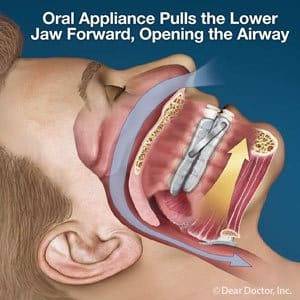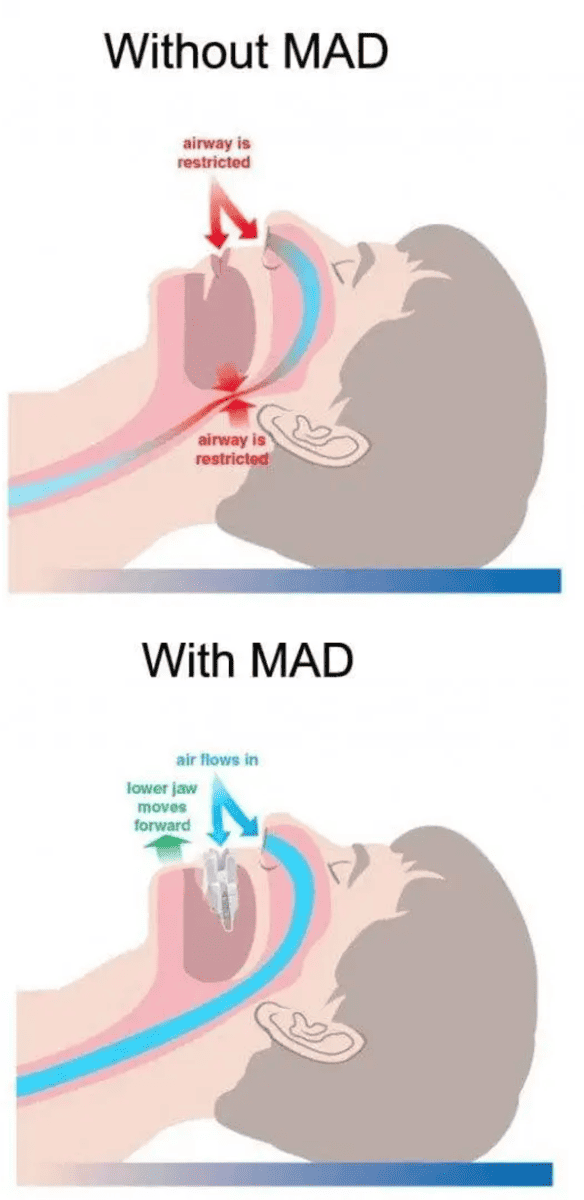
- A custom oral appliance is a small mouthpiece worn during sleep that gently holds your lower jaw forward to help keep your airway open.
- Oral appliance therapy can ease snoring and is an option some people use instead of a CPAP machine for mild to moderate obstructive sleep apnea.
- A sleep apnea diagnosis comes from a physician and a sleep study; our dental team builds and fits the appliance once you have that diagnosis.
- Appliances are often quieter, smaller, and easier to travel with than CPAP, though they are not right for everyone.
- Vaksman Dental Group in South San Francisco serves patients across San Bruno, Daly City, Pacifica, and the wider Peninsula. Call (650) 588-3710.
An oral appliance is a custom-fitted mouthpiece, made for your bite, that gently holds your lower jaw forward while you sleep to help keep the airway open. This can reduce snoring and ease symptoms of obstructive sleep apnea, and for suitable patients it serves as a comfortable alternative to a CPAP machine. At Vaksman Dental Group in South San Francisco, our dentists work alongside your physician to design and fit an appliance that fits your mouth and your sleep needs.
What Is Oral Appliance Therapy?
Oral appliance therapy uses a removable device, a little like a sports mouthguard or a retainer, that you wear only at night. Most appliances are designed to nudge the lower jaw slightly forward. That small shift helps keep the soft tissues at the back of the throat from collapsing and blocking airflow while you sleep.
Because each appliance is made from a digital scan or mold of your own teeth, it is built to fit you specifically. A snug, custom fit is what makes the device both effective and comfortable enough to wear night after night.
Who Can Oral Appliance Therapy Help?
This treatment may be a good fit if you:
- Snore loudly enough to disturb your sleep or your partner’s.
- Have been diagnosed with mild to moderate obstructive sleep apnea.
- Have tried a CPAP machine but find it hard to tolerate or stick with.
- Travel often and want a smaller, quieter option to bring along.
An oral appliance is not a substitute for a medical diagnosis. Sleep apnea is a medical condition, and a proper diagnosis comes from a physician, typically after a sleep study. People with severe sleep apnea, or certain heart and breathing conditions, often still need CPAP or other medical care. Our dentists will talk through whether an appliance makes sense for your situation and coordinate with your doctor.
What to Expect at Our South San Francisco Office
The process is straightforward and usually involves a few short visits:
- Consultation. We review your sleep study results, your symptoms, and your dental health, and check that your teeth and jaw can support an appliance.
- Digital scan. We capture a precise model of your teeth and bite. With in-office 3D printing technology such as SprintRay, many custom night appliances can be produced efficiently and accurately.
- Fitting. We place the finished appliance, check the fit, and make small adjustments so it feels secure and comfortable.
- Follow-up. We fine-tune the jaw position over time and stay in touch with your physician to confirm the device is helping.
According to the National Heart, Lung, and Blood Institute, obstructive sleep apnea happens when the upper airway becomes blocked repeatedly during sleep, and treatment is tailored to how severe it is.
Benefits of an Oral Appliance
For the right patient, a custom appliance can offer real day-to-day advantages:
- Quieter nights and often less daytime tiredness.
- A device with no hoses, mask, or electricity, which many people find easier to live with.
- Easy to pack for travel.
- Simple cleaning and care.
Results can vary from person to person, and an appliance may reduce rather than eliminate snoring or apnea events. That is why follow-up and coordination with your doctor matter. The American Dental Association notes that dentists play a supportive role in managing sleep-related breathing issues alongside the rest of your medical team.
What Does Oral Appliance Therapy Cost?
Cost depends on the type of appliance, your exam needs, and your insurance. As a general national reference, a custom dental sleep appliance often falls somewhere in the range of about $1,800 to $3,000. Medical insurance sometimes contributes when sleep apnea is diagnosed by a physician.
These are general figures, not our office’s prices. We will give you a clear, personalized estimate at your consultation and help you understand any coverage that may apply.
Caring for Your Appliance
A well-kept appliance lasts longer and stays comfortable. Simple habits help:
- Rinse it each morning and brush it gently with a soft brush, following our instructions.
- Store it in its case, away from heat and pets.
- Bring it to your regular dental visits so we can check the fit and your bite.
- Tell us about any jaw soreness, tooth movement, or changes in how the device feels.
Because the appliance touches your teeth every night, keeping up with routine care matters. A consistent dental exam lets our team catch early signs of teeth grinding or bite changes, and a professional dental cleaning keeps the surrounding teeth and gums healthy while you wear it. If dental anxiety makes visits hard, ask us about sedation dentistry options that can help you feel at ease.
Frequently Asked Questions
Is an oral appliance as effective as CPAP?
CPAP is often considered the most effective treatment for moderate to severe obstructive sleep apnea. For many people with mild to moderate apnea, or for those who cannot tolerate CPAP, a custom oral appliance can be an effective and more comfortable option. Your physician and our dental team can help you weigh which approach fits your needs.
Do I need a sleep study before getting an appliance?
Yes. Sleep apnea is a medical diagnosis, and we ask that it be confirmed by a physician, typically through a sleep study, before we make an appliance. This keeps your care safe and makes sure the right treatment is chosen. We are happy to coordinate with your doctor.
Is the appliance uncomfortable to wear?
Most people adjust within a week or two. Because the device is custom-made for your teeth, it is designed to feel secure rather than bulky. Mild jaw soreness or extra saliva can happen early on and usually fades. We make small adjustments so the fit stays comfortable.
Can an appliance stop my snoring completely?
An appliance can often reduce snoring significantly, and some people notice a large improvement. Results vary, so we cannot promise it will stop snoring entirely. Follow-up visits let us fine-tune the device to get the best result for you.
Written by the Vaksman Dental Group team and medically reviewed by Dr. Irena Vaksman, DDS — South San Francisco.