Key Takeaways

  • A dental bridge replaces one or more missing teeth with artificial teeth held in place by the neighboring teeth or by dental implants.
  • Bridges can restore your ability to chew and speak clearly, support your facial shape, and keep nearby teeth from drifting out of place.
  • Most traditional bridges are completed in two visits, and with good care they often last 10 to 15 years or longer.
  • Our dentists in South San Francisco design each bridge to fit your bite, your budget, and the look you want.
  • Daily brushing, flossing under the bridge, and regular checkups help your bridge last as long as possible.

A dental bridge fills the gap left by one or more missing teeth using artificial teeth anchored to neighboring teeth or implants. At Vaksman Dental Group in South San Francisco, our dentists design custom bridges that restore your bite, speech, and smile. Below, we explain how bridges work, who they help, what to expect, and how to care for one so it lasts.

What Is a Dental Bridge?

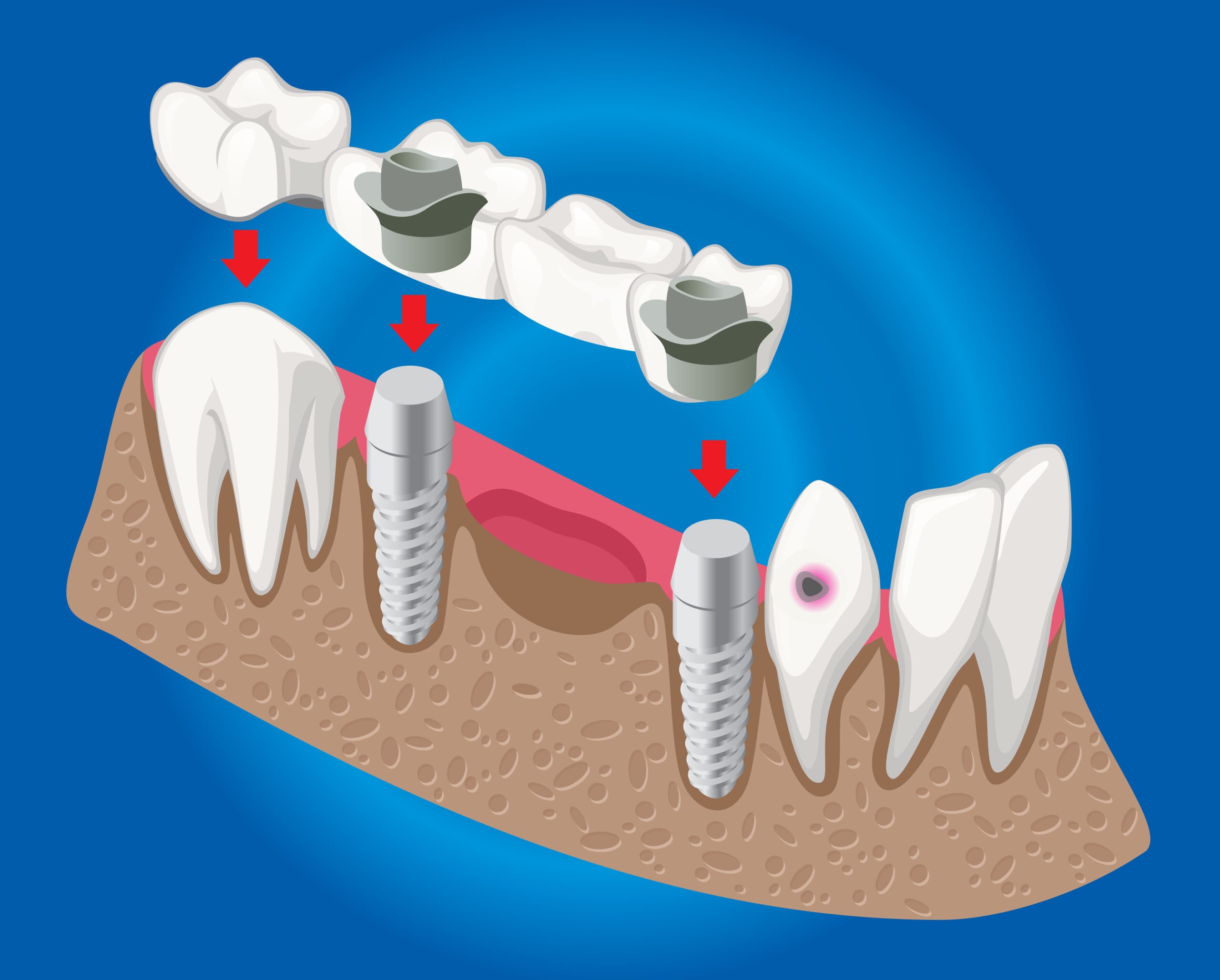
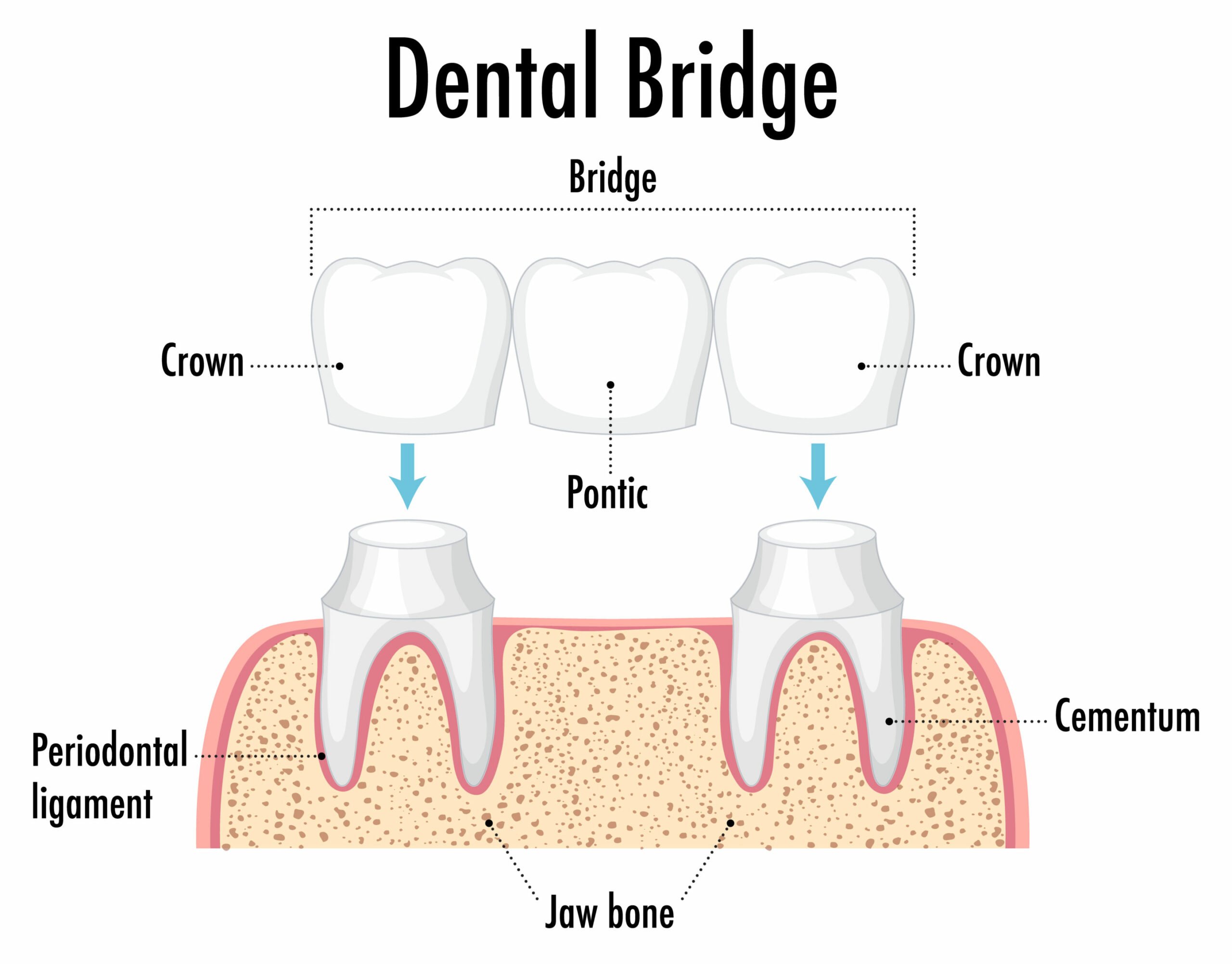
A bridge is a fixed (non-removable) restoration that literally bridges the space where a tooth used to be. It is made of one or more artificial teeth, called pontics, that are connected to crowns on either side. Those crowns attach to your natural teeth or to dental implants, holding the replacement tooth securely in place.

Because a bridge is cemented in, it stays put when you eat and talk. According to the American Dental Association’s consumer resource, MouthHealthy, bridges are a common and well-established way to replace missing teeth and restore everyday function.

Who Can Benefit From a Bridge?

A bridge may be a good fit if you are missing one tooth or a few teeth in a row and the teeth around the gap are healthy enough to provide support. People often choose a bridge when they want a fixed solution that feels close to a natural tooth.

  • You have lost a tooth to decay, gum disease, or injury.
  • You want to avoid the shifting and bite changes that can follow a missing tooth.
  • You prefer a permanent restoration over a removable partial denture.
  • You are not ready for, or not a candidate for, an implant in that spot.

During your visit, our dental team will examine the area, review X-rays, and talk through whether a bridge, an implant, or another option fits your situation best. Replacing missing teeth matters for more than appearance — leaving a gap can let nearby teeth drift and can make chewing harder over time.

Types of Dental Bridges

There is no single bridge that suits everyone, which is why our dentists tailor the design to your mouth. Common types include:

  • Traditional bridge: An artificial tooth held by crowns on the two natural teeth beside the gap. This is the most frequently used option.
  • Cantilever bridge: Anchored to a tooth on only one side, used in specific situations where there is a supporting tooth on just one end.
  • Maryland (resin-bonded) bridge: Held by thin metal or porcelain wings bonded to the backs of neighboring teeth, often used for front teeth.
  • Implant-supported bridge: Anchored to dental implants rather than natural teeth, which can be a strong choice when several teeth in a row are missing.

What to Expect: The Bridge Process

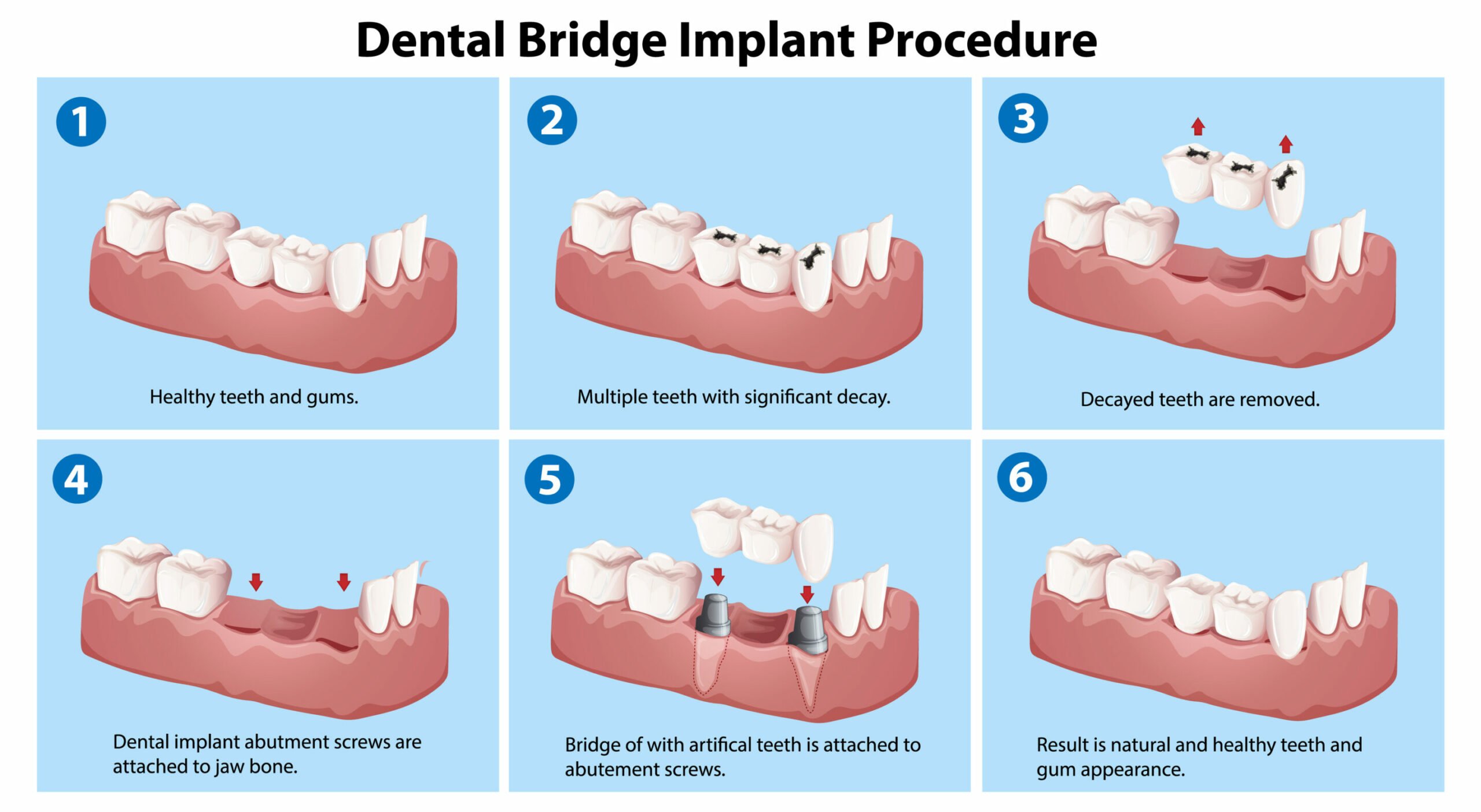
A traditional bridge is typically completed over two visits. Here is what the process usually looks like:

  • First visit: Your dentist gently prepares the anchor teeth, takes a digital impression or scan, and places a temporary bridge to protect the area.
  • Between visits: Your custom bridge is crafted to match the shade and shape of your surrounding teeth.
  • Second visit: The temporary is removed, the new bridge is checked for fit and bite, and then it is cemented into place.

We use modern digital tools, including precise digital scanning and FDA-cleared Pearl AI to help review your X-rays, so the planning behind your restoration is thorough and clear. You should feel comfortable asking questions at any step. We serve patients from South San Francisco, San Bruno, Daly City, Brisbane, Colma, Pacifica, Millbrae, Burlingame, and San Francisco, and we aim to make every visit calm and unhurried.

Benefits of a Dental Bridge

  • Restores comfortable chewing so you can enjoy a fuller range of foods.
  • Helps you speak more clearly by filling the gap that can affect certain sounds.
  • Supports your facial shape, which can sag when teeth are missing.
  • Keeps neighboring teeth from tilting or drifting into the open space.
  • Looks and feels natural, blending in with your smile.

Cost and What Affects It

The cost of a bridge depends on how many teeth are replaced, the materials used, and whether implants are involved. As a general national reference, a traditional three-unit bridge often falls somewhere in the range of about $2,000 to $5,000, and implant-supported bridges cost more. These are general figures, not our office’s prices.

Many dental insurance plans cover part of the cost of a bridge. Our front-desk team is happy to review your benefits and give you a clear estimate before any treatment begins, so there are no surprises.

Caring for Your Bridge

A bridge does not get cavities, but the natural teeth and gums that support it still need care. With consistent home care and regular checkups, a bridge often lasts 10 to 15 years or longer.

  • Brush twice a day and clean beneath the bridge with floss threaders or a water flosser.
  • Keep up with regular cleanings and exams so your dentist can monitor the supporting teeth.
  • Avoid biting very hard objects like ice or hard candy, which can stress the bridge.

The American Dental Association recommends routine professional care to protect restorations and the teeth around them.

If you are weighing your options, it can help to compare a bridge with dental implants, which replace the tooth root itself, or with dentures when several teeth are missing. Because a bridge is built from connected dental crowns, understanding how crowns work can make the process clearer too.

Book Your Appointment

Frequently Asked Questions

How long does a dental bridge last?

With good oral hygiene and regular dental visits, a bridge often lasts 10 to 15 years, and many last even longer. How long yours lasts depends on the health of the supporting teeth and gums and how well you care for it at home.

Is getting a bridge painful?

Your dentist numbs the area before preparing the anchor teeth, so most people feel little to no discomfort during the appointment. Mild sensitivity afterward is common and usually fades within a few days. If you tend to feel anxious about dental work, let our team know so we can help you stay comfortable.

Should I get a bridge or a dental implant?

Both can replace missing teeth well, and the right choice depends on your jawbone health, the condition of nearby teeth, your timeline, and your budget. A bridge is often faster and does not require surgery, while an implant replaces the tooth root and stands on its own. Our dentists can help you compare both during a consultation.

How do I clean under a dental bridge?

Because the artificial tooth sits above the gum, you cannot floss it the usual way. A floss threader, special bridge floss, or a water flosser lets you clean underneath and keep the area healthy. We will show you the technique at your appointment.

Written by the Vaksman Dental Group team and medically reviewed by Dr. Irena Vaksman, DDS — South San Francisco.
What is a dental bridge?

A dental bridge is a fixed restoration that replaces one or more missing teeth by spanning the empty space with artificial teeth (pontics), held in place by crowns on the adjacent teeth or by dental implants. Unlike a removable denture, a bridge stays cemented in your mouth and functions much like your natural teeth.

Closing a gap does more than improve appearance. Missing teeth can let surrounding teeth drift, change your bite, and make chewing and speaking harder. A well-made bridge restores function and helps keep your remaining teeth properly aligned. Our dentists at Vaksman Dental Group serve patients throughout South San Francisco and nearby San Bruno, Daly City, Brisbane, Colma, and Pacifica.

dental bridge infographic
Dental bridges procedure

What types of dental bridges are there?

The right bridge depends on how many teeth are missing, where the gap is, and the health of the surrounding teeth. Common types include:

  • Traditional bridge — the most common option; pontics are held by crowns on the natural teeth on each side of the gap.
  • Cantilever bridge — used when there is a healthy tooth on only one side of the gap.
  • Maryland (resin-bonded) bridge — a conservative option that bonds the replacement tooth to the backs of adjacent teeth with metal or porcelain wings, preserving more natural tooth structure.
  • Implant-supported bridge — anchored to dental implants instead of natural teeth, ideal when several teeth in a row are missing.

During your consultation, our dentists will examine your gap and recommend the type that best fits your mouth and goals.

How does getting a dental bridge work?

Most traditional bridges are completed over two visits to our South San Francisco office:

  1. Consultation and exam. We evaluate your teeth and gums, take any needed X-rays, and confirm a bridge is the right choice.
  2. Tooth preparation. The teeth that will support the bridge are gently reshaped to make room for the crowns.
  3. Impressions. We take a digital or physical impression so your bridge is made to fit precisely.
  4. Temporary bridge. A temporary protects the prepared teeth while your custom bridge is fabricated.
  5. Fitting and bonding. At your second visit, we check the fit and color, then cement the final bridge in place.
  6. Follow-up. We confirm your bite feels comfortable and review how to care for your new bridge.
Dental bridges image

Dental bridge vs. dental implant: which is right for you?

Both replace missing teeth, but they work differently. A bridge relies on neighboring teeth for support, while an implant replaces the tooth root on its own. This comparison can help you discuss options with our dentists:

Feature Dental Bridge Dental Implant
How it’s supported Crowns on adjacent teeth or implants A titanium post placed in the jawbone
Effect on neighboring teeth Adjacent teeth are reshaped for crowns Neighboring teeth are untouched
Treatment time Typically two visits over a few weeks Several months, including healing
Protects jawbone Does not stimulate the bone under the gap Helps preserve jawbone
Typical longevity Many years with good care Can last decades with good care

Learn more about dental implants and dental crowns to compare your options. For patients missing most or all of their teeth, dentures may also be discussed.

Why choose Vaksman Dental Group for your dental bridge?

Replacing a missing tooth is about precision and fit. A bridge that sits even slightly off can affect your bite and comfort, so the details matter. Patients across South San Francisco choose our dentists for their bridge care because we take time to:

  • Match shade and shape so your bridge blends naturally with surrounding teeth.
  • Protect your supporting teeth with conservative preparation and careful crown design.
  • Confirm your bite so chewing feels natural and even.
  • Plan for the long term, comparing bridges, implants, and other options honestly.

Conveniently located near El Camino Real and just minutes from the South San Francisco BART station and the Westborough neighborhood, our office is easy to reach from San Bruno, Daly City, Brisbane, Colma, and Pacifica.

How do you care for a dental bridge?

A bridge can last many years when you keep it clean and protect the teeth that support it. Good daily habits make all the difference:

  • Brush twice a day and clean under the bridge with floss threaders or a water flosser.
  • Avoid very hard or sticky foods that can stress the restoration.
  • Keep up routine visits so we can check the bridge and the health of the supporting teeth.

According to the American Dental Association’s MouthHealthy, keeping your gums and remaining teeth healthy is essential to the long-term success of any tooth replacement.

Dental Bridges FAQ

The cost of a dental bridge depends on several factors: the type of bridge, how many teeth are being replaced, the materials used, and whether any preparatory treatment is needed first. Because every case is different, we provide a clear, personalized estimate at your consultation before any treatment begins.

Many dental plans cover a portion of bridge treatment because it is a restorative procedure. Coverage varies by plan, so our team will help review your benefits and explain your estimated out-of-pocket portion before you decide.

Neither is universally "better" — it depends on the health of your neighboring teeth, your jawbone, your timeline, and your budget. A bridge is often faster and doesn't require surgery, while an implant preserves the jawbone and doesn't rely on adjacent teeth. Our dentists will help you weigh both.

With good oral hygiene and routine dental visits, many bridges last well over a decade. Their lifespan depends largely on keeping the supporting teeth and gums healthy.

The procedure is done with local anesthesia, so you should feel little to no discomfort during your appointment. Some mild sensitivity afterward is normal and usually fades within a few days.

A bridge can replace one tooth or several teeth in a row, depending on the strength of the supporting teeth or implants. For longer gaps, an implant-supported bridge is often recommended.

Yes. Once your bridge is fitted, you can eat most foods comfortably. We do recommend being careful with very hard or sticky items to protect the restoration.

Because a bridge is fixed, you'll clean beneath it using a floss threader, special bridge floss, or a water flosser. We'll show you the easiest technique at your fitting appointment.

Yes. Vaksman Dental Group is located at 1241 Mission Road in South San Francisco, near El Camino Real and the BART station, serving patients from San Bruno, Daly City, Brisbane, Colma, and Pacifica. We're open Monday through Friday, 8 a.m. to 5 p.m.

Leaving a gap can allow nearby teeth to shift, change your bite, and make cleaning harder, which can lead to further problems over time. Replacing the tooth with a bridge or implant helps protect your remaining teeth.

Cost & Financing

The cost of Dental Bridges varies with each patient’s needs and treatment plan. We keep care affordable with flexible financing, accept most dental insurance, and offer an in-house membership plan. Contact us for a personalized estimate.

Visit Vaksman Dental Group in South San Francisco

Vaksman Dental Group
1241 Mission Road
South San Francisco, CA 94080
Phone: (650) 588-3710
Hours: Monday–Friday, 8:00 AM – 5:00 PM

Conveniently located near El Camino Real and the South San Francisco BART station, serving San Bruno, Daly City, Brisbane, Colma, Pacifica, Millbrae, and Burlingame.

Schedule an Appointment with a
South San Francisco Dentist!