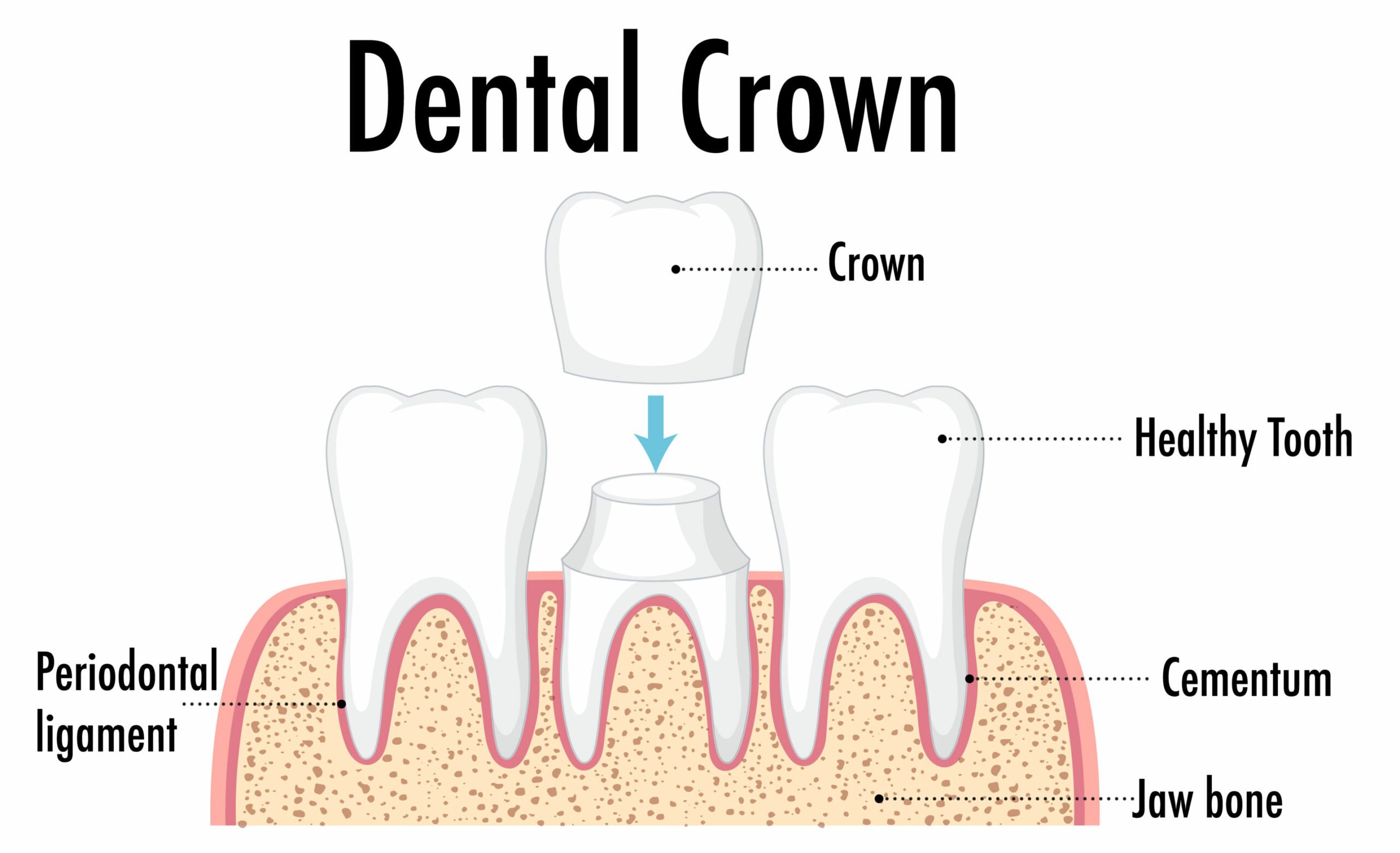
- A dental crown is a custom cap that covers a whole tooth to restore its shape, strength, and look.
- Crowns are often used after deep decay, cracks, large fillings, or a root canal.
- Materials include porcelain, ceramic, zirconia, and metal — your dentist helps match the right one to the tooth.
- With same-visit CEREC technology, many crowns can be designed and placed in a single appointment.
- A well-cared-for crown can last many years with regular brushing, flossing, and checkups.
A dental crown is a custom cap placed over a damaged, weak, or treated tooth to restore its shape, strength, and appearance. At Vaksman Dental Group in South San Francisco, our dentists use crowns to rebuild teeth after decay, cracks, large fillings, or root canals — giving the tooth a natural look and a comfortable, lasting bite for patients across South San Francisco, San Bruno, Daly City, and the surrounding Peninsula.
What Is a Dental Crown?
Think of a crown as a snug helmet for your tooth. When a tooth is too worn or broken to be fixed with a simple filling, a crown covers the entire visible part above the gumline. It holds the tooth together, protects what is left, and restores how it looks and works.
Crowns are one of the most common restorations in dentistry. According to the American Dental Association’s consumer site, a crown can be used to support a large filling, protect a weak tooth, restore a broken tooth, or cover a tooth after a root canal (MouthHealthy.org).
Who Might Need a Crown?
Your dentist may suggest a crown if you have a tooth that needs more support than a filling can give. Common reasons include:
- A tooth weakened by a large cavity or a very large old filling
- A cracked, chipped, or worn-down tooth
- A tooth that has had a root canal and needs protection
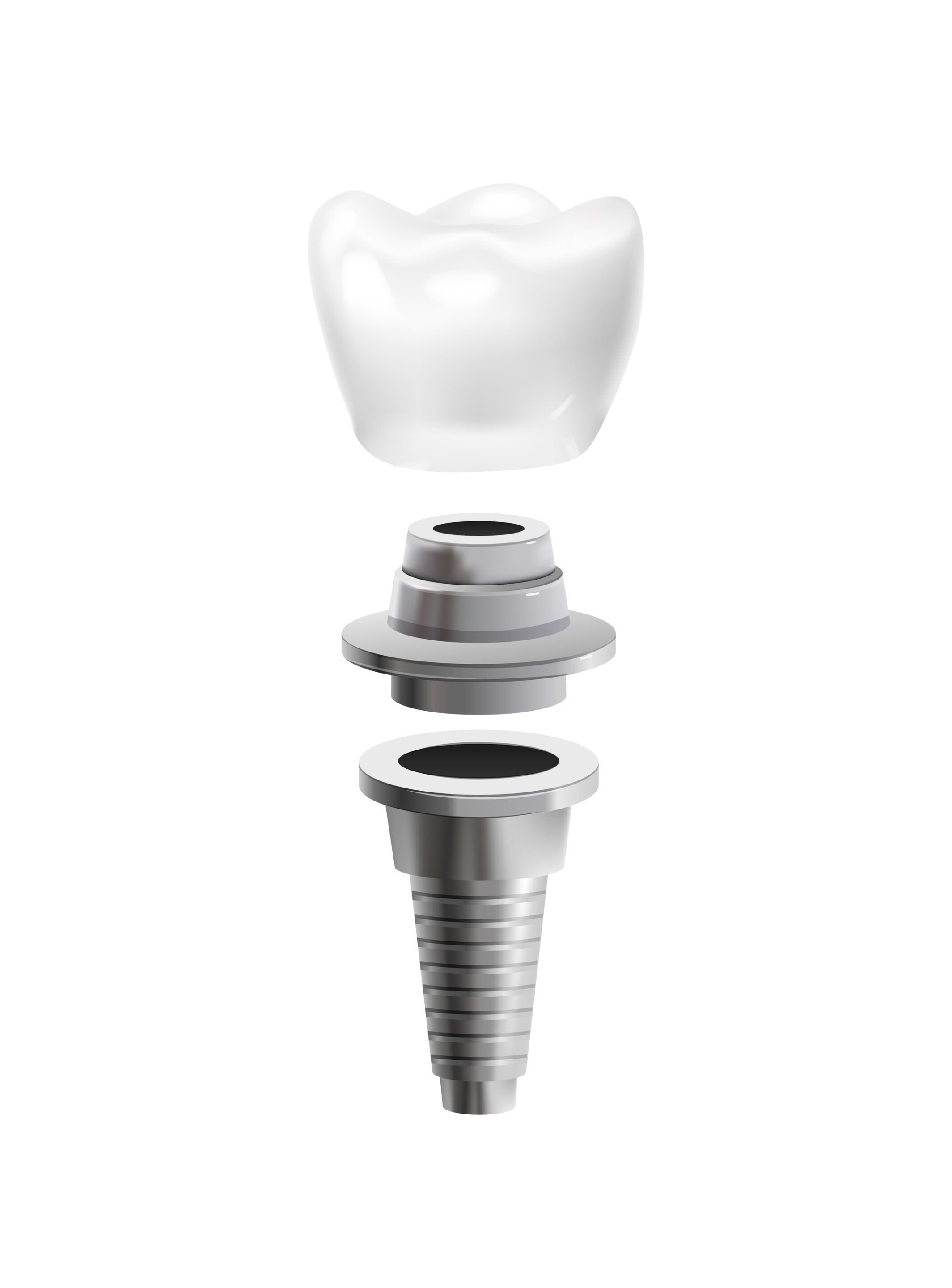
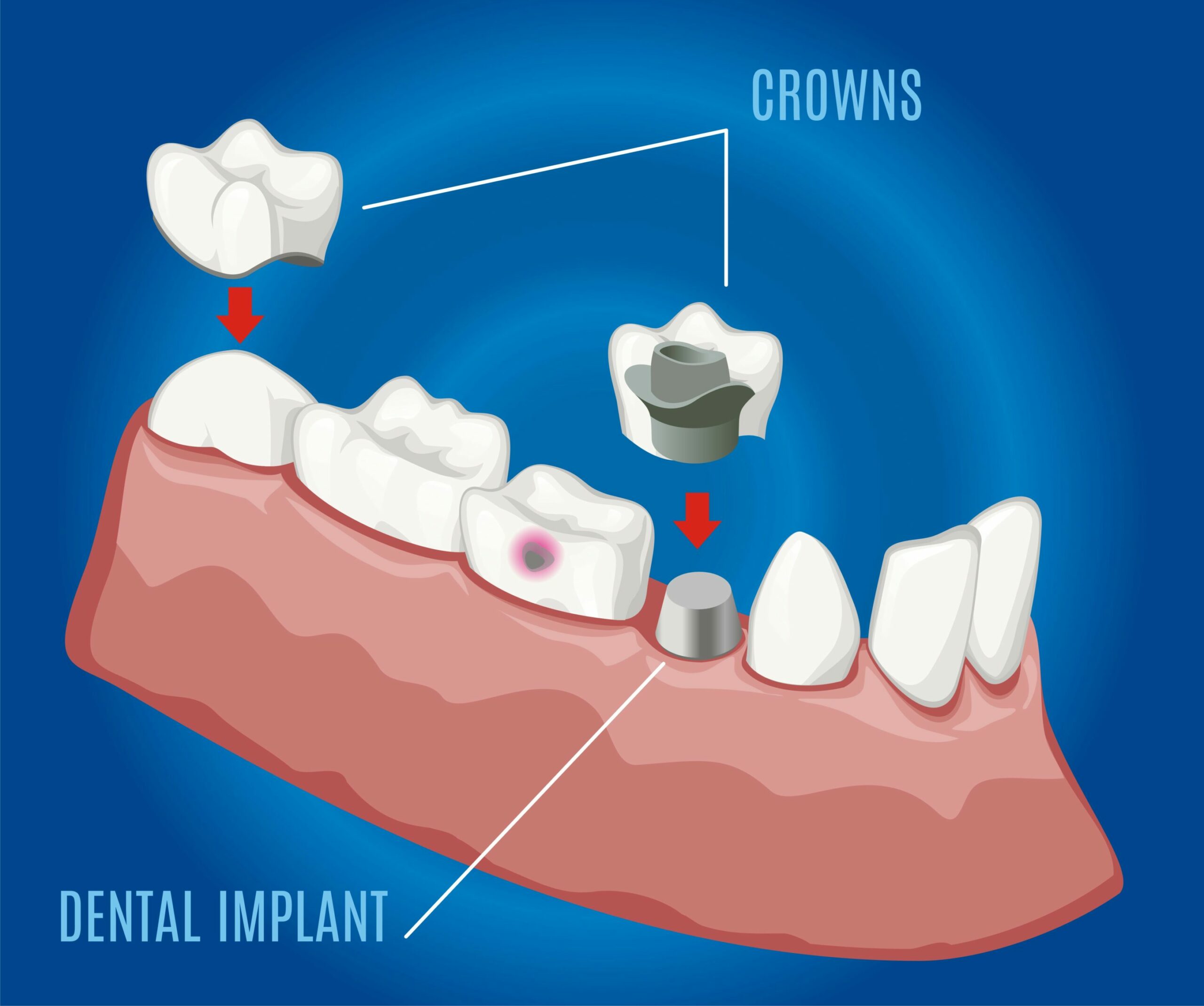
- A dental implant that needs a tooth-shaped top
- A tooth you would like to reshape or improve cosmetically
Not every damaged tooth needs a crown. After an exam and X-rays, our dental team will talk through your options so you can choose what fits your tooth and your goals.
What to Expect: How a Crown Is Placed
Getting a crown is usually a straightforward, well-tolerated process. The general steps are:
- Exam and planning. Your dentist checks the tooth, often with digital X-rays, and confirms a crown is the right choice.
- Preparing the tooth. The area is numbed, and the tooth is gently shaped so the crown can fit over it.
- Taking an impression or digital scan. This captures the exact size and shape needed for a precise fit.
- Placing the crown. The finished crown is checked for fit and bite, then bonded into place.
Traditionally, crowns take two visits with a temporary crown in between. Our office also offers CEREC same-visit technology, which uses in-office digital design and milling so many crowns can be created and placed in a single appointment — no temporary and no second trip. Your dentist will let you know if your tooth is a good candidate.
Types of Crown Materials
Crowns can be made from several materials, each with its own strengths. Your dentist helps you choose based on the tooth’s location, your bite, and how natural you want it to look.
- All-ceramic and porcelain: Prized for a natural, tooth-like appearance, often chosen for front teeth.
- Zirconia: Very strong and durable, a popular choice for back teeth that handle heavy chewing.
- Porcelain-fused-to-metal: Combines a natural surface with added strength.
- Gold and metal alloys: Long-lasting and gentle on opposing teeth, sometimes used for molars.
Benefits of a Dental Crown
A crown does more than cover a tooth. When it is the right treatment, it can:
- Restore comfortable chewing and a natural bite
- Protect a fragile or cracked tooth from further damage
- Improve the shape, size, and color of a tooth
- Help you keep your own natural tooth rather than removing it
Cost of Dental Crowns
The price of a crown depends on the material, the tooth, and your dental insurance. As a general national reference, a single crown often ranges from about $1,000 to $2,500 (these are general figures, not our office’s prices). Dental insurance may cover part of the cost when a crown is medically needed.
The most accurate way to understand your investment is a personalized exam and treatment plan. Our team is happy to review your coverage and walk through the numbers before any treatment begins.
Caring for Your Crown
A crown is built to be durable, but it still needs everyday care to last. To help protect your crown:
- Brush twice a day and floss daily, including around the crowned tooth
- Avoid chewing ice, hard candy, or other very hard items
- Wear a night guard if you grind your teeth
- Keep up with regular cleanings and exams so your dentist can check the crown
For more on keeping restored teeth healthy, the American Dental Association offers trusted, easy-to-read guidance on daily oral care.
Crowns also work hand in hand with other treatments. A crown often completes a root canal by protecting the restored tooth, serves as the anchor on either side of a dental bridge, and can be part of a broader cosmetic dentistry plan to refresh your smile.
Frequently Asked Questions
Does getting a dental crown hurt?
Most patients are comfortable during a crown procedure. The tooth and surrounding area are numbed first, so you typically feel pressure rather than pain. Some mild sensitivity afterward is normal and usually fades within a few days. Tell your dentist if any discomfort lingers.
How long do dental crowns last?
With good care, many crowns last a long time — often well over a decade. How long yours lasts can depend on the material, the location of the tooth, your bite, and your daily oral hygiene. Regular checkups help your dentist catch wear early.
Can a crown really be done in one visit?
Often, yes. With CEREC same-visit technology in our South San Francisco office, your dentist can scan, design, and place many crowns in a single appointment — no temporary crown and no second trip. Some teeth may still need a traditional two-visit approach, which your dentist will explain.
What is the difference between a crown and a filling?
A filling repairs a smaller area of a tooth, while a crown covers the entire tooth above the gumline. When too much tooth structure is missing or weakened for a filling to hold, a crown often provides the strength and protection the tooth needs.
Written by the Vaksman Dental Group team and medically reviewed by Dr. Irena Vaksman, DDS — South San Francisco.