
Dental implants in the U.S. typically cost about $3,000–$6,500 for a single tooth implant, including the implant post, abutment, and crown. Larger treatments cost more: an implant-supported bridge may cost about $6,000–$10,000, while a full-arch implant restoration such as All-on-4 may range from about $18,000–$35,000 per arch.
Your final dental implant cost depends on your oral health, jawbone condition, number of missing teeth, implant materials, restoration type, whether extractions or bone grafting are needed, insurance benefits, financing options, and location.
At Vaksman Dental Group in South San Francisco, the most accurate way to know your implant cost is through a personalized consultation, exam, imaging, and treatment plan. Online averages can be helpful, but they cannot account for your bone health, bite, gum condition, or the exact restoration needed.
Key Takeaways
- A single dental implant often costs about $3,000–$6,500 in the U.S.
- Full-arch implant options, such as All-on-4, may cost about $18,000–$35,000 per arch.
- Implant cost usually includes multiple parts: implant post, abutment, and crown.
- Additional procedures such as extractions, bone grafting, or sinus lifts can increase the total cost.
- Dental insurance may cover part of the crown or medically necessary portions, but benefits vary by plan.
- Implants often cost more upfront than bridges or dentures, but they may offer long-term value because they replace the tooth root and help support jawbone health.
Dental Implant Cost by Treatment Type
| Implant Treatment | Typical U.S. Cost Range | What It May Include |
| Single tooth implant | $3,000–$6,500 | Implant post, abutment, and crown |
| Implant-supported bridge | $6,000–$10,000+ | Multiple missing teeth supported by implants |
| All-on-4 or full-arch implants | $18,000–$35,000 per arch | Fixed full-arch tooth replacement |
| Full-mouth dental implants | $35,000–$70,000+ | Upper and lower full-arch treatment |
| Bone graft, if needed | Around $500–$3,000+ | Adds bone support before or during implant placement |
| Sinus lift, if needed | Around $1,500–$5,000+ | Adds bone height in the upper back jaw |
| Tooth extraction, if needed | Varies by complexity | Removal of damaged or failing tooth before implant placement |
These are general educational ranges, not a guaranteed quote. Your actual fee depends on your diagnosis, treatment plan, materials, provider, insurance benefits, and whether additional care is needed before implant placement.
What Is Included in the Cost of a Dental Implant?
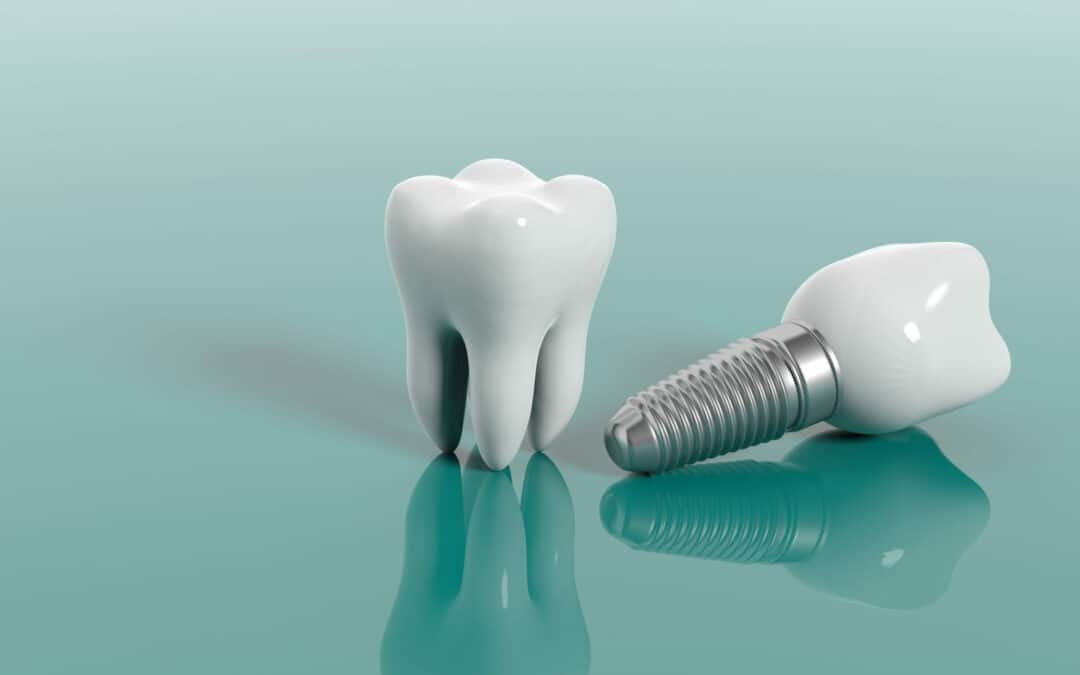
A complete single dental implant usually has three main parts:
- Implant post: The titanium or ceramic screw-like post placed in the jawbone.
- Abutment: The connector that attaches the implant post to the replacement tooth.
- Crown: The visible tooth-shaped restoration placed on top.
Your treatment fee may also involve:
- Dental exam
- Digital X-rays or 3D imaging
- Treatment planning
- Tooth extraction
- Bone grafting
- Temporary tooth replacement
- Surgical implant placement
- Healing follow-up visits
- Final crown, bridge, or full-arch restoration
- Bite adjustment
- Maintenance instructions
Because every implant case is different, it is important to ask whether your estimate includes the post, abutment, crown, imaging, extractions, grafting, temporary teeth, and follow-up visits.
Why Do Dental Implants Cost So Much?
Dental implants cost more than many other tooth replacement options because they involve surgery, custom components, advanced planning, and a restoration designed to function like a natural tooth.
The cost reflects:
- Surgical placement of the implant post
- Biocompatible materials
- Custom abutment and crown design
- Digital imaging and planning
- Laboratory or milling costs
- Time needed for healing and integration
- Dentist and surgical expertise
- Follow-up appointments
- Long-term restoration planning
Unlike a removable denture, an implant replaces the root of the missing tooth. This is one reason implants may provide better stability, chewing function, and long-term support for many patients.
Factors That Affect Dental Implant Cost
Number of Missing Teeth
Replacing one tooth usually costs less than replacing several teeth or a full arch. A single missing tooth may need one implant and one crown, while multiple missing teeth may require an implant-supported bridge or full-arch solution.
Bone Grafting
If the jawbone is too thin or weak to support an implant, bone grafting may be needed. Bone grafting adds cost, but it can make implant placement more stable and predictable.
Sinus Lift
For upper back teeth, the sinus may sit close to the jawbone. A sinus lift may be needed to create enough bone height for implant placement.
Tooth Extractions
If damaged, infected, or failing teeth need to be removed before implants, extraction fees may be part of the total treatment plan.
Implant Material
Most implants are titanium, but ceramic or zirconia implant options may be available in some cases. The material used for the crown or full-arch restoration also affects cost.
Crown, Bridge, or Full-Arch Restoration
A single crown costs less than an implant bridge or full-arch restoration. Zirconia, porcelain, acrylic, and hybrid materials can all affect pricing.
Case Complexity
More complex cases may need advanced imaging, surgical guides, grafting, treatment staging, temporary restorations, or collaboration with specialists.
Location
Dental fees vary by city and region. Dental implant cost in the Bay Area may differ from pricing in smaller markets.
Insurance and Financing
Insurance benefits, annual maximums, waiting periods, and financing options can change the amount you pay out of pocket.
How Much Does a Single Dental Implant Cost?
A single dental implant commonly costs about $3,000–$6,500 in the U.S. when the implant post, abutment, and crown are included.
A single implant may be recommended when one tooth is missing and the surrounding teeth are healthy. Unlike a traditional bridge, a single implant does not require reshaping the neighboring teeth for support.
However, the total cost can increase if the tooth must be extracted, if bone grafting is needed, or if additional treatment is required before implant placement.
How Much Do All-on-4 Dental Implants Cost?
All-on-4 or full-arch dental implants often cost about $18,000–$35,000 per arch. A full-mouth implant treatment that replaces both upper and lower arches may cost significantly more.
All-on-4 treatment uses a small number of strategically placed implants to support a full arch of replacement teeth. It may be recommended for patients missing most or all teeth in an arch, or for patients whose remaining teeth cannot be predictably restored.
Cost depends on:
- Number of implants
- Bone condition
- Extractions
- Temporary teeth
- Final restoration material
- Sedation needs
- Digital planning
- Follow-up care
How Much Do Implant-Supported Dentures Cost?
Implant-supported dentures typically cost more than traditional removable dentures but may provide better stability and comfort.
The cost depends on whether the denture is removable or fixed, how many implants are used, and what materials are selected. Removable implant dentures may cost less than fixed full-arch implant bridges.
Implant-supported dentures may help patients who struggle with loose dentures, poor chewing stability, sore spots, or reduced confidence when speaking and eating.
How Much Do Full-Mouth Dental Implants Cost?
Full-mouth dental implants may cost about $35,000–$70,000 or more, depending on the number of implants, whether both arches are treated, material selection, surgical complexity, and whether extractions, bone grafting, or temporary teeth are needed.
Because full-mouth treatment is highly personalized, a consultation is essential. Two patients may have very different costs based on bone health, bite, gum condition, number of failing teeth, and restoration goals.
Does Dental Insurance Cover Implants?
Dental insurance may cover part of dental implant treatment, but coverage varies widely. Some plans classify implants as a major procedure and may cover a portion of the cost up to the annual maximum. Other plans may exclude implants or only cover the crown, extraction, or related procedures.
Before beginning treatment, ask your dental office to verify:
- Whether implants are covered
- Whether the crown is covered
- Whether extractions or bone grafting are covered
- Annual maximums
- Waiting periods
- Missing tooth clauses
- Deductibles
- Preauthorization requirements
Even when insurance helps, patients often have out-of-pocket costs because implant treatment can exceed annual plan maximums.
Can HSA or FSA Funds Be Used for Dental Implants?
HSA or FSA funds may be used for eligible dental expenses when the treatment is medically necessary, but rules can vary by plan. Patients should confirm eligibility with their plan administrator before using funds for implant treatment.
If eligible, HSA or FSA funds may help reduce the out-of-pocket burden for implant-related treatment.
Dental Implant Financing and Payment Options
Because dental implants are a significant investment, many patients use payment options to spread the cost over time.
Common options may include:
- Dental insurance benefits
- CareCredit or healthcare financing
- In-house payment plans
- HSA or FSA funds
- Membership plans
- Phased treatment
- Paying for treatment in stages
At Vaksman Dental Group, patients can ask about insurance, membership options, and financing during the consultation so the treatment plan is clear before care begins.
Are Dental Implants Worth the Cost?
Dental implants may be worth the cost for many patients because they can provide strong chewing function, stable tooth replacement, and long-term support for the jawbone and bite.
Potential benefits include:
- Replacing both the tooth and the root
- Helping preserve jawbone stimulation
- Avoiding removable denture movement
- Supporting natural chewing function
- Improving comfort and confidence
- Avoiding reshaping healthy neighboring teeth for a traditional bridge
- Long-lasting results with proper care
However, implants are not the only option. Bridges and dentures may be appropriate for some patients depending on budget, oral health, bone condition, timeline, and personal preference.
Dental Implants vs. Bridges vs. Dentures: Cost and Value
| Option | Typical Upfront Cost | Stability | Bone Support | Best For |
| Dental implant | Higher | Very stable | Helps support jawbone | Replacing one or more teeth with long-term support |
| Dental bridge | Moderate to high | Fixed | Does not replace tooth root | Missing tooth with healthy support teeth nearby |
| Removable denture | Lower upfront | Less stable | Does not replace tooth root | Replacing multiple teeth on a lower budget |
| Implant-supported denture | Higher than traditional denture | More stable | Better support than removable denture | Patients who want improved denture stability |
The best choice depends on your oral health, budget, missing teeth, bone condition, and long-term goals.
Who Is a Good Candidate for Dental Implants?
You may be a good candidate for dental implants if you:
- Have one or more missing teeth
- Have healthy enough gums for surgery
- Have enough jawbone to support an implant or can receive bone grafting
- Want a fixed tooth replacement option
- Do not want to reshape healthy teeth for a bridge
- Can maintain good oral hygiene
- Are willing to attend follow-up visits
- Have realistic expectations about timeline and cost
Some medical conditions, smoking, uncontrolled diabetes, gum disease, or low bone volume may affect implant planning. These factors do not always rule out implants, but they must be evaluated carefully.
Who May Need Additional Treatment Before Implants?
Some patients need preparatory treatment before implant placement. This may include:
- Tooth extraction
- Bone grafting
- Sinus lift
- Gum disease treatment
- Deep cleaning
- Bite evaluation
- Temporary tooth replacement
- Treatment for infection or inflammation
These procedures can improve implant success and long-term stability, but they can also affect cost and timeline.
How Long Does the Dental Implant Process Take?
The implant process often takes several months because the implant needs time to heal and integrate with the jawbone before the final restoration is placed.
A typical timeline may include:
- Consultation and imaging
- Treatment planning
- Tooth extraction, if needed
- Bone grafting, if needed
- Implant placement
- Healing period
- Abutment placement
- Final crown, bridge, or denture placement
- Follow-up and maintenance
Some patients may qualify for immediate or same-day temporary teeth, but not every case is appropriate for immediate loading. Your dentist can explain what is safe for your bone condition and treatment goals.
How Long Do Dental Implants Last?
Dental implants can last many years, and in some cases decades, with proper care. Longevity depends on oral hygiene, gum health, bone support, bite pressure, smoking, medical conditions, and regular dental maintenance.
The implant post may last a very long time, while the crown, bridge, or denture attached to the implant may eventually need repair or replacement.
To protect your implant:
- Brush twice daily.
- Clean between teeth daily.
- Keep regular dental checkups.
- Avoid tobacco.
- Wear a nightguard if you grind or clench.
- Treat gum inflammation early.
- Do not use teeth to open packages or bite hard objects.
- Follow maintenance instructions for implant restorations.
What Are the Risks of Dental Implants?
Dental implants are a common and effective tooth replacement option, but they still involve surgery and require proper maintenance.
Possible risks include:
- Infection
- Gum inflammation
- Implant failure
- Nerve irritation
- Sinus complications in upper back teeth
- Bone loss around the implant
- Loose crown, screw, or restoration
- Peri-implant disease
- Need for repair or replacement over time
A careful consultation, imaging, treatment planning, and maintenance schedule help reduce risk.
How to Get an Accurate Dental Implant Quote
Online ranges are only a starting point. The most accurate dental implant quote requires an exam and treatment plan.
During your consultation, your dentist may evaluate:
- Number of missing teeth
- Gum health
- Jawbone volume
- Bite alignment
- Existing dental work
- Medical history
- Smoking or diabetes risk
- Need for extraction or grafting
- Type of final restoration
- Insurance benefits
- Financing options
Ask for a written estimate that clearly separates the implant post, abutment, crown, bone grafting, extractions, imaging, temporary teeth, and follow-up care.
Dental Implant Cost in South San Francisco
If you are searching for dental implant cost in South San Francisco, Vaksman Dental Group can provide a personalized estimate after evaluating your mouth, jawbone, gum health, and treatment goals.
Vaksman Dental Group is located at:
1241 Mission Road
South San Francisco, CA 94080
The office serves patients in South San Francisco and nearby Bay Area communities, including San Bruno, Daly City, Brisbane, Colma, Pacifica, Millbrae, and Burlingame.
Frequently Asked Questions
How much do dental implants cost?
A single dental implant often costs about $3,000–$6,500 in the U.S. when the implant post, abutment, and crown are included. Full-arch implant treatments can cost much more depending on materials, bone condition, extractions, and restoration type.
How much does one dental implant cost without insurance?
Without insurance, patients usually pay the full cost of the implant post, abutment, crown, imaging, and any additional procedures. A single implant often ranges from about $3,000–$6,500, but the exact cost requires a consultation.
Does dental insurance cover implants?
Some dental insurance plans cover part of implant treatment, while others exclude implants or only cover related procedures such as the crown or extraction. Coverage depends on your plan, annual maximum, waiting periods, and whether the treatment is considered medically necessary.
Why are dental implants so expensive?
Dental implants cost more because they involve surgical placement, custom components, digital planning, biocompatible materials, healing time, and a final restoration designed for long-term function and appearance.
How much do All-on-4 dental implants cost?
All-on-4 or full-arch dental implants often cost about $18,000–$35,000 per arch. The total depends on extractions, bone condition, temporary teeth, final materials, and whether one or both arches are treated.
Are dental implants worth the money?
Dental implants may be worth it for patients who want a stable, long-lasting replacement for missing teeth. They can improve chewing, support the jawbone, and avoid reshaping healthy neighboring teeth for a traditional bridge.
Are dental implants cheaper than bridges?
Implants often cost more upfront than bridges. However, they may offer better long-term value for some patients because they replace the tooth root and do not require reshaping nearby healthy teeth.
Can I finance dental implants?
Yes. Many patients use financing, payment plans, HSA or FSA funds, membership plans, or phased treatment to make dental implants more manageable. Ask the dental office what options are available before treatment begins.
How long do dental implants last?
Dental implants can last many years and sometimes decades with good oral hygiene, healthy gums, regular dental visits, and proper maintenance. The crown or restoration attached to the implant may need replacement over time.
What is the cheapest way to replace missing teeth?
Removable dentures are often the lowest-cost upfront option. Dental bridges may cost less than implants in some cases. Implants usually cost more upfront but may provide better stability and long-term support.
Do dental implants hurt?
Implant placement is performed with local anesthesia and may include sedation when appropriate. Some soreness, swelling, or tenderness after surgery is normal and usually improves during healing.
Can smokers get dental implants?
Smokers may still be candidates, but smoking can increase the risk of implant complications and slower healing. A dentist will review your health history and risk factors before recommending treatment.
Medical Disclaimer
This article is for educational purposes only and does not replace a dental diagnosis, treatment plan, or financial estimate. Dental implant cost and suitability depend on your oral health, medical history, bone condition, number of missing teeth, restoration type, insurance benefits, and exam findings.