
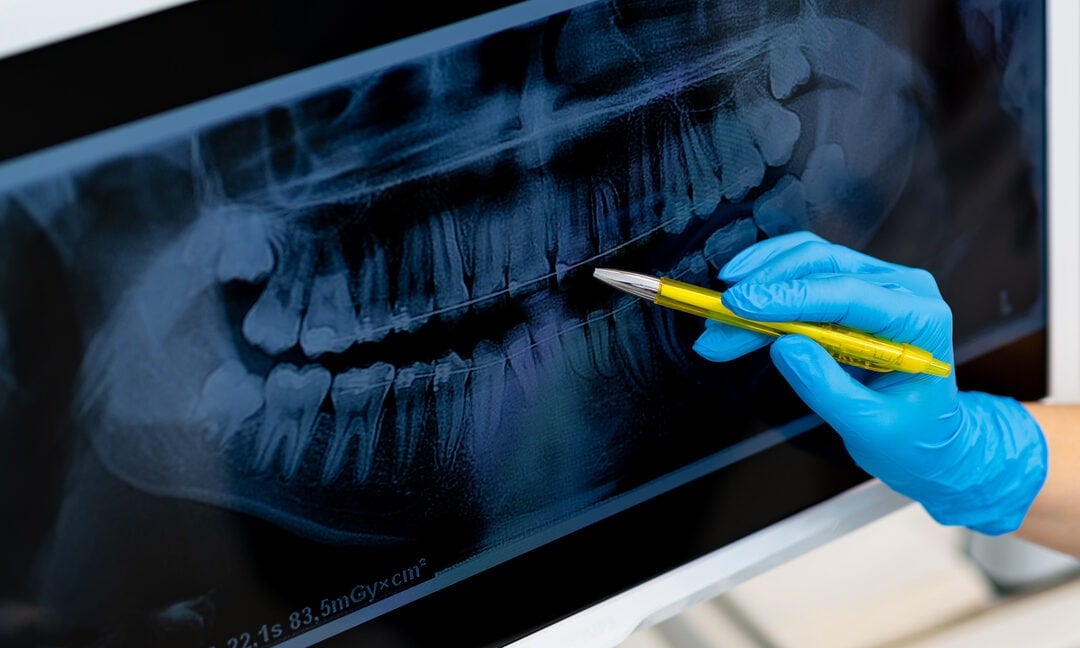
Dentistry and medicine are separate fields of health care with different training, focus, and providers. Dentists specialize in the teeth, gums, and surrounding facial structures, while medical doctors handle broader, whole-body health. For anything involving your mouth, a dentist — not a general physician — is usually the right person to see.
Key Takeaways
- Dentistry and medicine are distinct fields — dentists specialize in oral health while medical doctors focus on whole-body health, and each undergoes different training.
- For any concern involving your teeth, gums, or oral tissues, a dentist is the right first call — not a general physician.
- The ADA recognizes 12 formal dental specialties (e.g., endodontics, periodontics, orthodontics, oral surgery), and general dentists coordinate with these specialists when needed.
- Dental care is treated separately from medical care, meaning standard medical insurance typically does not cover routine dental services like exams, cleanings, or X-rays.
- Oral health is connected to overall health — dentists can spot early signs of conditions like diabetes, heart disease, and oral cancer during routine exams.
When it comes to dentistry vs. medicine, most people aren’t sure where the line falls. It’s natural to call your doctor when something feels off. But for concerns involving your teeth and gums, your dentist is often the better first stop. Here’s what sets the two apart.
What’s the Difference Between Dental and Medical Care?
Although they overlap in some areas, dental and medical care are distinct. Dental coverage has grown considerably since employer dental benefits became common in the 1960s, and today a large share of Americans are covered by some form of dental plan. These plans are structured somewhat like medical insurance, but with important differences in what they cover.
At its core, dentistry is a specialized area of health care. Just as you’d see a cardiologist for a heart concern, you’d see a dentist for an oral concern. Dentistry focuses on a specific part of the body that most medical doctors simply aren’t trained to treat in depth.
Dentistry also goes beyond basic oral health. It includes cosmetic care, too — so you might see a dentist to treat a cavity, or to improve the appearance of your smile.
How Are Dentistry and Medicine Connected?
Dentists and physicians sometimes work together. A few examples:
- Facial trauma: A case might begin with a dental implant placed by a dentist and conclude with reconstruction by a medical surgeon.
- Sleep apnea and TMJ: Traditionally managed by physicians, these are increasingly treated by dentists using oral appliances. If jaw pain or clicking sounds familiar, TMJ treatment may help.
More broadly, dentists treat oral diseases — filling cavities, straightening teeth, removing diseased teeth, and repairing cracks and chips — while physicians address whole-body health and refer to specialists as needed. Both work to prevent problems before they start, which is why regular checkups with each matter.
What Are the Different Fields of Dentistry?
Dentistry isn’t one-size-fits-all. The American Dental Association formally recognizes a number of dental specialties — currently 12 — each focused on a specific area of oral health care. Here are some of the most common ones you may encounter:
- Endodontics: Focuses on the dental pulp and nerves inside your teeth. An endodontist commonly performs a root canal.
- Periodontics: Prevents and treats conditions of the gums and tissues that support the teeth, including gum disease.
- Orthodontics and dentofacial orthopedics: Straightens teeth and corrects bite and jaw alignment.
- Oral and maxillofacial surgery: Covers facial surgery, extractions, and implants.
- Prosthodontics: Restores and replaces teeth with implants, dentures, and bridges.
- Pediatric dentistry: Focuses on the dental care of children.
- Dental public health: Works to prevent oral disease at the community level rather than for individual patients.
- Oral and maxillofacial pathology: Studies the causes of oral diseases, sometimes using biopsies for diagnosis.
- Oral and maxillofacial radiology: Uses imaging to diagnose and manage conditions of the teeth and facial bones.
The ADA has added newer specialties over time, including areas focused on anesthesiology and orofacial pain. A general and cosmetic dentist often coordinates with these specialists when more focused care is needed.
Why Is Dentistry Separate From Medicine?
Oral diseases have their own triggers, symptoms, and treatments. They can also be early warning signs of problems elsewhere in the body. Because of this, dental care is handled as its own discipline — which is also why dental coverage is typically separate from medical insurance.
Is Dental Considered Medical?
No. Dental care is treated as a separate entity from medical care, largely because dentists and physicians complete different training. Routine dental services like exams and X-rays usually aren’t covered by standard medical plans, so a dedicated dental plan is generally needed for oral care.
Why Choose a Dentist for Oral Concerns?
A dentist is a doctor who specializes in oral health. For concerns involving your teeth, gums, and surrounding facial area, that specialized training makes a dentist the right choice. A general physician sees patients for a wide range of issues and may not be equipped to treat a dental problem directly.
Regular dental visits can also help protect the rest of your body. During a routine dental exam, your dentist may spot early signs of conditions such as:
- Diabetes
- Oral cancer
- Anemia
- Acid reflux (GERD)
- Osteoporosis
- Heart disease
The bottom line: you need both dental and medical care — the key is knowing which to see and when. Anything involving your teeth, gums, or oral health belongs with a dentist, and regular checkups double as a window into your overall health.
Frequently Asked Questions
Is a dentist a doctor?
Yes. A dentist is a doctor who specializes in oral health, completing dental school and clinical training focused on the teeth, gums, and surrounding structures. The training differs from that of a medical physician.
How many dental specialties are there?
The American Dental Association currently recognizes 12 dental specialties, including endodontics, periodontics, orthodontics, oral surgery, prosthodontics, and pediatric dentistry, among others. A general dentist coordinates with these specialists when focused care is needed.
Does medical insurance cover dental care?
Usually not. Routine dental services such as exams, cleanings, and X-rays are typically not covered by standard medical insurance, so most people need a separate dental plan for oral care.
Should I see a dentist or a doctor for a mouth problem?
For concerns involving your teeth, gums, or oral tissues, a dentist is generally the right choice. If a problem extends to broader health issues, your dentist and physician may work together to coordinate care.
Ready for your next visit to a South San Francisco dentist?
Book Now