
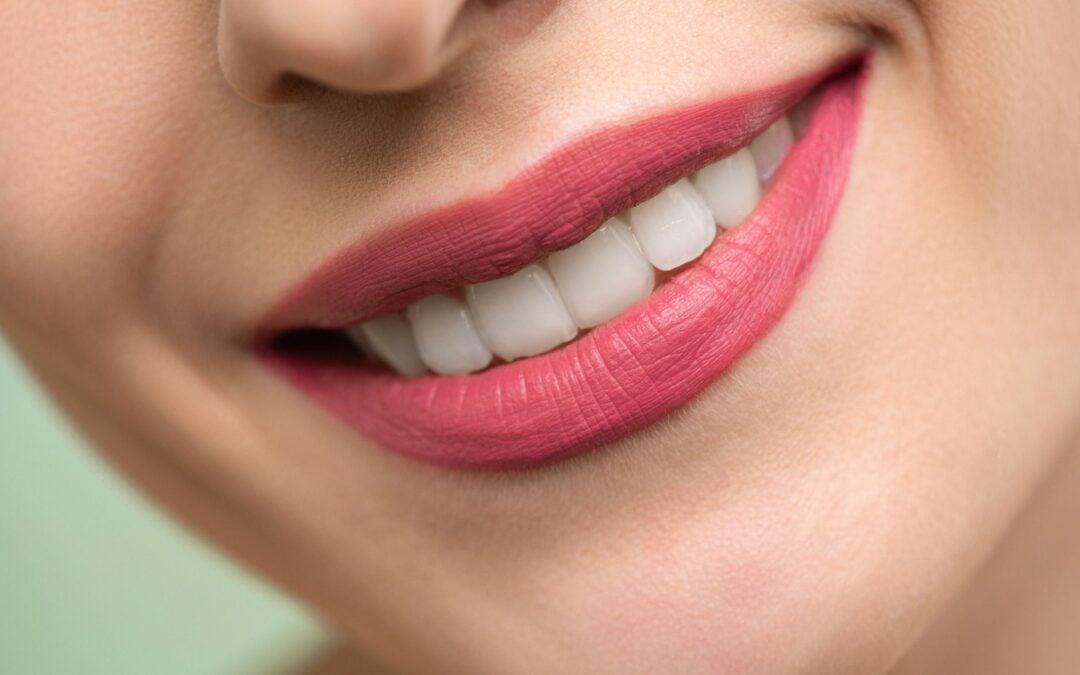
Celebrity veneers are almost always custom-made porcelain veneers — ultra-thin ceramic shells hand-layered by a master ceramist and bonded to the front of the teeth to change color, shape, length, and symmetry. A full celebrity-style smile makeover typically involves 8 to 10 upper veneers and costs $12,000–$25,000 nationally, or $16,000–$30,000+ in high-cost metros like the San Francisco Bay Area. The single biggest factor separating a natural-looking celebrity smile from an obvious one isn’t the price — it’s the ceramist’s artistry and how much the design respects the patient’s own facial proportions.
Key Takeaways
- Celebrity smiles are usually custom porcelain veneers, not off-the-shelf products — the lab work is where the money goes.
- Most cosmetic transformations use 8–10 veneers on the upper arch; some use 6, and full-mouth cases can run 16–20.
- Not every bright celebrity smile involves veneers at all: professional whitening, bonding, gum contouring, and orthodontics account for a great many of them.
- “Bad veneers” almost always come down to three fixable design errors — too white, too uniform, too long — not bad luck.
- We don’t diagnose anyone’s dental work from photographs, including celebrities. What we can do is explain exactly which techniques create these results, so you can have an informed conversation about your own smile.
Veneers are one of the most-searched cosmetic dental topics right now, fueled largely by the perfectly even, brilliantly white smiles that show up on red carpets, magazine covers, and social feeds. The good news: the same smile science available to the pros is available to everyday patients — and it’s more nuanced, more customizable, and often less invasive than social media makes it look.
What Are Celebrity Veneers, Exactly?
There’s no separate product called a “celebrity veneer.” What people are usually describing is a custom-fabricated porcelain veneer: a thin shell of dental ceramic, hand-built in layers by a skilled dental ceramist, bonded to the front surface of a tooth.
What distinguishes the high-end version from a budget one isn’t the material category — it’s the craftsmanship:
| Element | Budget approach | High-end (“celebrity”) approach |
|---|---|---|
| Lab work | Mass-produced or milled from a stock shade block | Hand-layered by a master ceramist, custom-shaded |
| Design process | Standard shapes applied to the teeth | Smile design mapped to the patient’s face, lips, and bite |
| Preview | Little or none | Wax-up and temporary “trial smile” worn before final placement |
| Translucency | Uniform, opaque | Layered — more translucent at the edges, like natural enamel |
| Cost per tooth | $900–$1,500 | $2,000–$3,500+ |
That translucency detail is the whole game. Natural enamel isn’t a flat color; it’s slightly see-through at the biting edge and more opaque near the gum. A ceramist who reproduces that gradient makes a veneer disappear. One who doesn’t produces the “piano key” look everyone recognizes instantly.
What Actually Creates a “Hollywood Smile”
Here’s something that might surprise you: a large share of dazzling smiles involve no veneers at all. The techniques cosmetic dentists actually use, from least to most invasive:
- Professional whitening — in-office treatments can lift stains several shades in about an hour. If teeth are already well-shaped and aligned, this alone accounts for a great many “did they get work done?” transformations.
- Orthodontics or clear aligners — crowding, gaps, and alignment issues are corrected by moving the natural teeth, with no enamel removed at all.
- Cosmetic bonding — tooth-colored resin sculpted directly onto teeth to fix chips, small gaps, or uneven edges. Often no enamel removal, done in a single visit.
- Gum contouring — reshaping the gumline. A “gummy” smile made proportional can transform a face without touching a single tooth.
- Porcelain veneers — the full reshape, when color, shape, length, and symmetry all need changing at once.
The most dramatic outcomes usually come from combining the simpler options thoughtfully — aligners first, then whitening, then bonding on two teeth — rather than defaulting to a full set of veneers. That sequencing also costs far less.
Why We Don’t Diagnose Celebrities From Photos
You’ll find plenty of articles confidently listing which public figures have veneers, crowns, or bonding. We don’t do that, for two reasons.
First, it isn’t possible. Distinguishing a veneer from a crown from bonding from natural enamel requires an exam and usually radiographs. Photographs — retouched, filtered, lit by professionals — can’t support that call. Any dentist claiming certainty from a red-carpet photo is guessing.
Second, someone’s dental history is their own. Speculating publicly about a named person’s medical or cosmetic procedures isn’t something we’re comfortable doing, and it isn’t necessary to answer the question you actually came here with: what would this look like for me, and what would it take?
What we can tell you is exactly which techniques produce which results — which is the genuinely useful half of the conversation, and the rest of this guide.
Why Some Veneers Look Obviously Fake
“Celebrities with bad veneers” is one of the most common searches in this topic, and the failures are remarkably consistent. Nearly every obviously-fake result comes down to three design errors:
- Too white. Shades brighter than natural enamel (the bleach shades at the far end of the guide) read as artificial in daylight and photographs, especially against skin tone and eye whites. Natural-looking bright is a shade, not the shade.
- Too uniform. Real teeth aren’t identical. Central incisors are longer than laterals; canines have distinct contours; tiny asymmetries exist in every natural smile. Ten identical rectangles look like dentures.
- Too long or too bulky. Veneers that ignore the patient’s lip line and bite create the “horse teeth” effect — and often fail early, because a tooth built outside the bite takes forces it wasn’t designed for.
There’s a fourth, less visible failure: over-preparation. Aggressively grinding down healthy teeth to fit thick veneers is irreversible and can lead to sensitivity, nerve damage, and eventual root canals. This is the specific risk behind cheap overseas “veneer” packages, where what’s actually delivered is usually a set of full crowns. We cover that in detail in our guide to Turkey teeth and dental tourism.
The fix for all four is the same: a dentist who designs to your face, uses a good ceramist, and shows you a trial smile before anything is permanent.
How a Smile Is Actually Designed: The Trial Smile Step
The step that separates high-end cosmetic dentistry from ordinary veneer work isn’t a material — it’s that you see and wear the result before anything becomes permanent. Here’s how the process runs:
- Records and analysis. Photographs, a digital scan, and often video of you speaking and smiling. The design isn’t drawn on the teeth alone — it’s mapped to your lip line, midline, facial proportions, and how much tooth shows at rest versus in a full smile.
- Shade and character selection. Choosing a shade against your skin tone and eye whites in natural light, not under operatory lighting, plus deciding on surface texture and translucency. This is where “bright but believable” is either achieved or lost.
- The wax-up. The proposed smile is built in wax or digitally on a model of your teeth — a physical preview of shape, length, and proportion before any enamel is touched.
- The trial smile (mock-up). The wax-up is transferred into temporary material directly over your natural teeth. You walk out wearing the proposed smile, see it in your own mirror and photos, and show it to people who know your face.
- Revision. This is the point of the whole exercise. Too long, too square, too bright, midline slightly off — all of it gets adjusted while the changes are still free and reversible.
- Preparation and temporaries. Only after the design is approved is any enamel removed. You wear temporaries matching the approved design while the ceramist builds the final veneers.
- Placement and refinement. The finished veneers are bonded, the bite is checked and adjusted, and the surface is polished.
If a practice offers to place permanent veneers without a wax-up or trial smile, that’s worth questioning. The preview is how you avoid discovering you dislike your new smile after it’s irreversible — and it’s the most reliable protection against every one of the design failures described above.
What Do Celebrity-Style Veneers Actually Cost?
| Scope | National Range | SF Bay Area Typical |
|---|---|---|
| Per tooth, standard porcelain | $1,200 – $2,500 | $1,500 – $3,000 |
| Per tooth, high-end custom ceramist | $2,000 – $3,500+ | $2,500 – $4,000+ |
| 6 veneers (social smile zone) | $7,200 – $15,000 | $9,000 – $18,000 |
| 8–10 veneers (typical full makeover) | $12,000 – $25,000 | $16,000 – $30,000+ |
| 16–20 veneers (full mouth) | $24,000 – $50,000+ | $32,000 – $60,000+ |
Two honest notes on those numbers. First, the celebrity versions reported in the press often sit above even these ranges, because they involve the most sought-after ceramists and multi-specialist planning. Second, dental insurance treats veneers as cosmetic and won’t contribute — but financing options can spread treatment across months or years, and phased plans (whitening now, veneers on two teeth later) are legitimate ways to get most of the result for a fraction of the cost.
Be cautious of ads offering full sets at a small fraction of these figures. Extremely low-cost veneers usually mean lower-grade materials, skipped diagnostics, or aggressive over-preparation — and the corrections cost far more than the savings.
Do You Actually Need Veneers?
Often, no — and a good cosmetic consultation should tell you that before anyone mentions a five-figure quote.
| If your main concern is… | The most conservative fix is usually… |
|---|---|
| Teeth are yellow or stained, but well-shaped | Professional whitening |
| One or two chips or a small gap | Cosmetic bonding |
| Crowding, spacing, or crooked teeth | Invisalign or orthodontics |
| Too much gum showing | Gum contouring |
| Color, shape, length, and symmetry all at once | Porcelain veneers |
| A structurally damaged or root-canaled tooth | A crown, not a veneer |
Veneers are a genuinely excellent tool when the goal requires them. They’re the wrong tool when $400 of bonding or a whitening course would have solved it.
What Makes Someone a Good Veneer Candidate?
Before any cosmetic work, these get checked and treated first:
- Active gum disease or decay. Placing a beautiful veneer over a diseased tooth is painting over rot.
- Grinding (bruxism). Heavy clenching cracks porcelain. If you grind, a night guard is part of the plan, not an upsell.
- Bite alignment. Significant misalignment puts uneven force on veneers and causes early failure — sometimes orthodontics needs to come first.
- Sufficient enamel. Veneers bond to enamel. Where too little remains, a crown is the safer restoration.
We see patients come in inspired by a smile they admired, and that motivation is genuinely great to work with. The job is channeling it into a plan built around your mouth, proportions, and bite — not a copy of someone else’s.
How Long Do Veneers Last?
With good care, porcelain veneers commonly last 10–20 years; composite veneers typically 5–10 before touch-ups or replacement. Longevity depends on hygiene, avoiding habits that stress porcelain (nail biting, chewing ice, opening packaging with your teeth), wearing a night guard if you grind, and regular exams so small issues get caught early.
One thing to plan for honestly: traditional porcelain veneers are a permanent commitment. Because some enamel is removed, those teeth will need a covering of some kind for the rest of your life. That’s not a reason to avoid them — it’s a reason to be sure before you start, and to ask about prepless or minimal-prep options if reversibility matters to you.
Frequently Asked Questions
What kind of veneers do celebrities get?
Custom-fabricated porcelain veneers, hand-layered by a skilled dental ceramist rather than milled from a stock shade block. The material is standard dental porcelain; what makes them distinctive is the artistry — custom shading, layered translucency, and a smile design mapped to the patient’s face and bite, usually previewed with a wax-up and trial smile before anything permanent.
How much do celebrity veneers cost?
A typical full makeover of 8–10 upper veneers costs $12,000–$25,000 nationally and $16,000–$30,000+ in high-cost metros like the SF Bay Area. High-end ceramist work runs $2,000–$3,500+ per tooth. Press-reported celebrity cases often exceed these ranges because they involve top ceramists and multi-specialist planning.
Can you tell if a specific celebrity has veneers?
Not reliably, and we don’t try. Distinguishing veneers from crowns, bonding, or natural enamel requires a clinical exam and usually radiographs — retouched, filtered, professionally lit photographs can’t support that judgment. Any dentist claiming certainty from a photo is speculating about a stranger’s medical history.
Why do some celebrity veneers look bad?
Almost always three design errors: shades whiter than natural enamel, uniform identical tooth shapes where real teeth vary, and veneers made too long or bulky for the patient’s lip line and bite. A fourth, hidden failure is over-preparation — grinding healthy teeth down aggressively, which is irreversible and can cause sensitivity or nerve damage.
Do veneers ruin your natural teeth?
Traditional porcelain veneers require removing a small amount of enamel, which is permanent — those teeth will always need to be covered afterward. Done correctly by an experienced dentist, veneers don’t damage teeth; they restore and protect them. Prepless or minimal-prep veneers preserve more natural tooth structure for patients who are candidates.
Can I get a celebrity smile without veneers?
Frequently, yes. Professional whitening, clear aligners or orthodontics, cosmetic bonding, and gum contouring account for a large share of dramatic smile transformations, individually or combined — often at a fraction of veneer cost and with far less irreversible change. A cosmetic consultation should map the most conservative path that reaches your goal.
What is a trial smile, and do I need one?
A trial smile is a temporary mock-up of your proposed veneers placed directly over your natural teeth, so you can wear and evaluate the design before any enamel is removed. It’s built from a wax-up of the planned smile and lets you adjust length, shape, brightness, and midline while changes are still free and fully reversible. Any comprehensive veneer case should include one.
How many veneers do most people get?
Most cosmetic cases use 6 to 10 upper veneers — 6 covers the teeth visible in a typical smile, 8–10 covers a wider smile line. Full-mouth cases involving both arches run 16–20. The right number depends on how many teeth show when you talk and smile, which your dentist assesses at the consultation.
Are veneers covered by dental insurance?
In most cases, no — veneers are classified as cosmetic and aren’t covered. Bonding used to repair a tooth damaged by injury may have partial coverage depending on the plan. Our front desk can help verify your benefits and walk through financing options.
Written by the Vaksman Dental Group team and medically reviewed by Dr. Irena Vaksman, DDS — South San Francisco.