
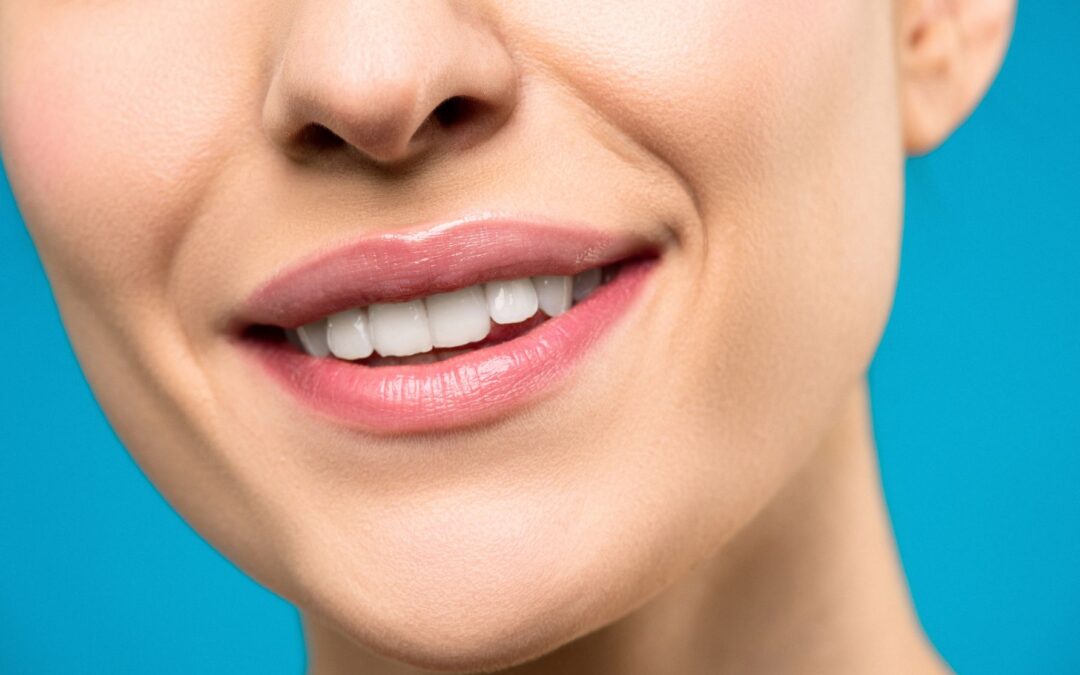
Turkey teeth is a viral nickname for an ultra-white, uniform smile makeover often associated with dental tourism in Turkey. The term usually refers to a full set of porcelain veneers, zirconia crowns, or full-coverage crowns placed abroad at a lower advertised price than patients may pay in the U.S. or U.K.
The look can be dramatic, but the biggest concern is not the country where treatment is done. The concern is how much healthy tooth structure is removed, whether the treatment is properly planned, and what happens if pain, sensitivity, bite problems, infection, or restoration failure appears after you return home.
At Vaksman Dental Group in South San Francisco, our goal is to help patients understand the difference between veneers, crowns, whitening, bonding, and other cosmetic options before making an irreversible decision.
Key Takeaways
- “Turkey teeth” usually refers to a very white, full-smile makeover often associated with dental tourism in Turkey.
- Some cases involve veneers, but many viral transformations involve crowns or aggressive tooth reduction.
- Veneers and crowns are different. Veneers cover the front surface of teeth, while crowns cover the entire visible tooth.
- Crowns can be appropriate for damaged or weakened teeth, but they may be too aggressive for healthy teeth that only need cosmetic improvement.
- Safer alternatives may include professional whitening, cosmetic bonding, prepless veneers, traditional porcelain veneers, Invisalign, or crowns only when teeth need structural protection.
- Dental work abroad can be difficult to repair locally if complications appear months later.
- A local cosmetic consultation can help you understand what your teeth actually need before committing to treatment.
What Are Turkey Teeth?
“Turkey teeth” is a social media term for a bright, uniform smile makeover commonly associated with dental clinics in Turkey. Many people use the phrase to describe a Hollywood-style smile created with veneers, crowns, or a combination of cosmetic dental procedures.
In practice, Turkey teeth may involve:
- Porcelain veneers
- Zirconia crowns
- Full-coverage crowns
- Composite veneers
- Full-mouth cosmetic makeovers
- Dental tourism packages that include hotel, transportation, and treatment
The term can be confusing because patients often do not know whether they are getting veneers or crowns. That distinction matters because crowns usually require much more tooth reduction than veneers.
Are Turkey Teeth Veneers or Crowns?
Turkey teeth can be veneers or crowns, but many viral cases appear to involve crowns or aggressive tooth preparation.
| Treatment | What It Covers | Tooth Structure Removed | Best For |
| Professional whitening | Natural tooth surface | None | Stained or yellow healthy teeth |
| Cosmetic bonding | Small areas of tooth surface | Minimal | Chips, small gaps, or minor imperfections |
| Prepless veneers | Front surface of teeth | Little to none in select cases | Mild cosmetic changes on healthy teeth |
| Traditional veneers | Front surface of teeth | Thin enamel layer | Color, shape, and minor alignment changes |
| Crowns | Entire visible tooth | Significant reshaping | Damaged, cracked, weak, heavily filled, or root canal-treated teeth |
A veneer is a thin shell bonded to the front of a tooth. A crown is a cap that covers the entire visible tooth. Crowns can be excellent restorations when teeth need strength and protection, but placing crowns on healthy teeth purely for cosmetic uniformity can remove more tooth structure than necessary.
Why Did Turkey Teeth Become So Popular?
Turkey teeth became popular because of social media before-and-after videos, influencer stories, and low advertised prices for cosmetic dental work abroad. Patients may see a dramatic smile transformation completed in a short trip and compare the price to cosmetic dentistry fees in the U.S. or U.K.
The appeal is understandable:
- Lower advertised prices
- Fast treatment timelines
- All-inclusive travel packages
- Dramatic before-and-after photos
- A very white smile
- Social media visibility
- A sense of getting a “celebrity smile” quickly
However, cosmetic dentistry should be planned around the health of each tooth, gum condition, bite, jaw function, and long-term maintenance. The fastest way to create a white smile is not always the safest or most conservative option.
Why Turkey Teeth Can Be Risky
Dental tourism is not automatically unsafe. Turkey has skilled dentists and modern clinics. The risk comes from rushed treatment, aggressive tooth reduction, limited follow-up, unclear credentials, and decisions based mainly on price or appearance.
Irreversible Enamel or Tooth Structure Loss
Once enamel or tooth structure is removed, it does not grow back. If healthy teeth are aggressively filed down for crowns, those teeth may need restorations for life.
Sensitivity and Nerve Damage
Heavy tooth reduction can get close to the nerve inside the tooth. This may lead to lingering sensitivity, pain, inflammation, or the need for root canal treatment.
Poor Bite Fit
Crowns and veneers must fit your bite correctly. If the bite is not balanced, patients may develop jaw pain, tooth pain, headaches, cracked restorations, worn restorations, or TMJ-related symptoms.
Gum Irritation and Plaque Traps
Poorly fitting crowns or veneers can irritate the gums or create areas where plaque collects. This may increase the risk of gum inflammation, bad breath, decay, or periodontal problems.
Decay Under Crowns or Veneers
Crowns and veneers do not make teeth cavity-proof. If the margins are poor or oral hygiene becomes difficult, decay can develop underneath or around the restoration.
Infection or Root Canal Needs
If the tooth nerve becomes inflamed or infected after aggressive preparation, root canal treatment may be needed. In severe cases, a tooth may not be restorable.
Complicated Follow-Up Care
If complications appear after you return home, the clinic that placed the restorations may be thousands of miles away. A local dentist can evaluate and help, but repair options may be limited depending on how the original work was done.
Higher Long-Term Cost
A low upfront price can become expensive if crowns need replacement, root canals, bite correction, gum treatment, or full reconstruction later.
Turkey Teeth Cost: Why the Price Can Be Misleading
Turkey teeth packages are often advertised as significantly cheaper than cosmetic dentistry in the U.S. or U.K. Some packages may include travel, hotel, transportation, and multiple veneers or crowns.
The problem is that package pricing may not clearly explain:
- Whether you are getting veneers or crowns
- How many teeth will be treated
- How much tooth structure will be removed
- What material is being used
- Who performs the procedure
- Whether the dentist is licensed and experienced
- Whether X-rays and gum evaluation are included
- Whether bite analysis is included
- What happens if complications occur
- Whether replacement or repair is covered
- Whether the treatment is medically appropriate
A lower price does not automatically mean poor quality, but cosmetic dental treatment should never be judged by price alone.
Turkey Teeth vs. Safer Cosmetic Options
A whiter, more even smile does not always require aggressive tooth reduction. Depending on your teeth, more conservative options may be available.
| Option | Tooth Structure Removed | Reversible? | Typical Lifespan | Best For |
| Professional whitening | None | Yes | 1–3 years with touch-ups | Staining or yellowing on healthy teeth |
| Cosmetic bonding | Minimal | Mostly yes | 5–10 years | Small chips, gaps, or minor imperfections |
| Prepless veneers | Little to none in select cases | Sometimes | 10–20 years | Mild shape or color changes on healthy teeth |
| Traditional porcelain veneers | Thin enamel layer | No | 10–20 years | Shape, color, and minor alignment concerns |
| Crowns | Significant reshaping | No | 10–15+ years | Damaged, weakened, or root canal-treated teeth |
| Invisalign | None to minimal | Teeth are moved, not covered | Long-term with retainers | Crowding, gaps, or bite alignment |
The best cosmetic option depends on your tooth structure, enamel, bite, gum health, budget, and goals.
When Crowns May Be Appropriate
Crowns are not bad. They are valuable dental restorations when teeth need strength, protection, or rebuilding.
A crown may be appropriate if a tooth is:
- Cracked
- Broken
- Severely worn
- Heavily filled
- Weakened by decay
- Root canal-treated
- Structurally unable to support a veneer
- In need of full-coverage protection
The concern is using crowns on healthy teeth when a more conservative treatment could achieve the patient’s cosmetic goals.
When Veneers May Be a Better Option
Veneers may be better than crowns when the teeth are mostly healthy and the goal is cosmetic improvement.
Veneers may help with:
- Discoloration that does not respond well to whitening
- Small chips
- Minor gaps
- Slightly uneven edges
- Tooth shape concerns
- Mild asymmetry
- A brighter smile
- Cosmetic changes to visible front teeth
Veneers still require careful planning and may involve enamel removal, but they usually preserve more tooth structure than crowns.
Warning Signs Before Booking Dental Work Abroad
Before booking any cosmetic dental treatment abroad, watch for red flags.
Be cautious if:
- The clinic recommends crowns for every tooth without explaining why.
- You are promised a full smile makeover in only a few days.
- You are not asked for X-rays, dental history, or gum health information.
- The clinic does not explain risks, alternatives, or long-term maintenance.
- The price seems extremely low compared with the amount of treatment.
- You cannot verify the dentist’s credentials.
- You are pressured to book quickly.
- You do not receive a clear written treatment plan.
- There is no clear plan for complications after you return home.
- You are told the treatment is completely risk-free.
A proper cosmetic treatment plan should explain what will happen to each tooth and why.
Questions to Ask Before Getting Turkey Teeth
Before agreeing to treatment abroad, ask:
- Am I getting veneers or crowns?
- Why is each tooth being treated?
- How much enamel or tooth structure will be removed?
- Are any of my teeth healthy enough for whitening or bonding instead?
- Do I have cavities, gum disease, or bite problems that need treatment first?
- What material will be used?
- Who will perform the procedure?
- What are the dentist’s qualifications?
- What happens if I have pain after returning home?
- How are repairs or replacements handled?
- Will I receive X-rays, records, and a written treatment plan?
- How long are the restorations expected to last?
- What will maintenance cost over time?
Clear answers matter before any irreversible dental treatment.
What If You Already Got Turkey Teeth and Have Problems?
A local dentist can evaluate your teeth, gums, bite, and restorations if you return home with symptoms after dental treatment abroad.
Schedule a dental exam if you notice:
- Tooth pain
- Lingering sensitivity
- Pain when biting
- Swollen gums
- Bleeding gums
- Bad taste or odor
- Loose crowns or veneers
- Chipped or cracked restorations
- Jaw pain or headaches
- Food trapping around crowns
- Difficulty cleaning around restorations
- A bite that feels uneven
Do not wait if you have swelling, pus, fever, severe pain, or signs of infection.
Can a Local Dentist Fix Turkey Teeth?
A local dentist can often evaluate and help manage problems, but the available options depend on how much tooth structure remains and how the restorations were placed.
Possible next steps may include:
- Dental exam
- Digital X-rays
- Bite analysis
- Gum evaluation
- Cleaning around restorations
- Treating decay
- Replacing crowns or veneers
- Root canal treatment
- Gum disease treatment
- Night guard for grinding
- Referral to a specialist
Some complications are simple to manage. Others may require extensive repair.
Safer Alternatives to Turkey Teeth
If your goal is a whiter, more balanced smile, you may not need aggressive dental work.
Professional Teeth Whitening
Professional whitening can brighten natural teeth without removing tooth structure. It is best for healthy teeth with staining or yellowing.
Cosmetic Bonding
Bonding can repair small chips, close small gaps, and reshape minor imperfections with tooth-colored resin.
Prepless or Minimal-Prep Veneers
Prepless veneers may improve mild shape or color issues with little to no enamel removal in select cases.
Traditional Porcelain Veneers
Traditional veneers may be appropriate when teeth need more noticeable cosmetic changes but are still healthy enough for a conservative approach.
Invisalign
If crowding, spacing, or alignment is the main issue, moving the teeth may be better than covering them.
Dental Crowns
Crowns may be best for teeth that are already structurally damaged and need full protection.
Turkey Teeth in South San Francisco: Get a Second Opinion First
If you are considering Turkey teeth or dental treatment abroad, Vaksman Dental Group can provide a local cosmetic consultation before you make an irreversible decision.
A consultation can help answer:
- Do you actually need crowns?
- Would veneers be more conservative?
- Could whitening or bonding achieve your goals?
- Do you have bite or gum issues that should be treated first?
- Are your teeth healthy enough for cosmetic treatment?
- What are the safest options for your smile?
Vaksman Dental Group is located at:
1241 Mission Road
South San Francisco, CA 94080
The office serves patients in South San Francisco and nearby Peninsula communities, including San Bruno, Daly City, Brisbane, Colma, Pacifica, Millbrae, and Burlingame.
Frequently Asked Questions
What are Turkey teeth?
Turkey teeth is a viral term for a very white, uniform smile makeover often associated with dental tourism in Turkey. It may involve veneers, crowns, or a combination of cosmetic dental treatments.
Are Turkey teeth veneers or crowns?
They can be either, but many cases involve crowns or aggressive tooth reduction. Veneers cover the front of the teeth, while crowns cover the entire visible tooth and usually require more reshaping.
Why are Turkey teeth risky?
Turkey teeth can be risky when healthy teeth are aggressively filed down, treatment is rushed, bite fit is poor, or follow-up care is difficult after the patient returns home.
Can Turkey teeth go wrong?
Yes. Possible problems include pain, sensitivity, nerve damage, root canal needs, poor bite fit, gum irritation, infection, decay under crowns, and expensive replacement work.
How long do Turkey teeth last?
The lifespan depends on whether the treatment involved crowns or veneers, the material used, the dentist’s skill, bite fit, oral hygiene, and maintenance. Crowns and veneers may last many years, but they are not permanent for life.
Are Turkey teeth permanent?
Crowns and traditional veneers are usually irreversible because tooth structure is removed. If crowns are placed after aggressive tooth reduction, the teeth will likely need restorations for life.
What is the difference between veneers and Turkey teeth?
Veneers are a specific dental treatment. Turkey teeth is a slang term for a type of full-smile makeover, often involving very white veneers or crowns placed abroad.
Are there safer alternatives to Turkey teeth?
Yes. Safer alternatives may include professional whitening, cosmetic bonding, prepless veneers, traditional porcelain veneers, Invisalign, or crowns only when teeth truly need structural protection.
Should I go to Turkey for dental work?
That is a personal decision, but you should understand the risks, verify the dentist’s credentials, request a written treatment plan, and get a local consultation before committing to irreversible treatment.
Can a U.S. dentist fix Turkey teeth?
A U.S. dentist can evaluate and treat many problems, but repair options depend on how much tooth structure remains, the condition of the gums, the bite, and the quality of the original restorations.
What should I do if my Turkey teeth hurt?
Schedule a dental exam as soon as possible. Pain, swelling, lingering sensitivity, bleeding, bad taste, or difficulty biting may indicate a problem that needs treatment.
How can I get a white smile without shaving my teeth?
Depending on your teeth, options may include professional whitening, bonding, prepless veneers, minimal-prep veneers, Invisalign, or a conservative veneer plan.
Medical Disclaimer
This article is for educational purposes only and does not replace a dental diagnosis, cosmetic consultation, or personalized treatment plan. Cosmetic dentistry and dental tourism decisions should be made after a full exam, X-rays, gum evaluation, bite assessment, and discussion of risks and alternatives.
Related reading and services: American Dental Association’s MouthHealthy resource on veneers · (650) 588-3710