
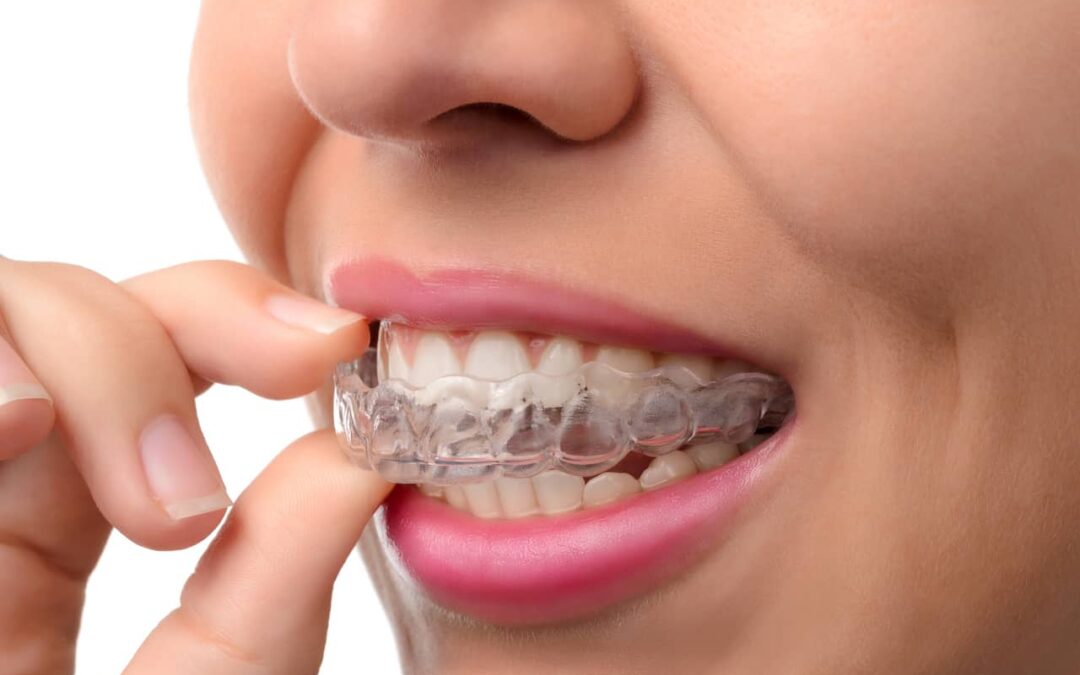
A retainer is a custom-made device that holds your teeth in their corrected position so they don’t shift back after braces or Invisalign. Whether you’ve just finished treatment or your bite needs support, here’s what to know about wearing a retainer and caring for one properly in South San Francisco.
Key Takeaways
- Retainers are custom-made devices worn after braces or Invisalign to keep teeth from shifting back to their original position.
- There are two main types: removable (clear plastic) and permanent (wire bonded behind teeth), each with distinct care requirements and trade-offs.
- Most patients wear a retainer full-time for about a year post-treatment, then switch to nightly wear long term to maintain results.
- Skipping your retainer can cause teeth to relapse, potentially requiring another round of orthodontic treatment.
- Daily cleaning with a soft toothbrush, mild soap, and warm (never hot) water is essential to prevent bacteria buildup and keep your retainer lasting longer.
Being told you need a retainer can feel daunting, but the concept is simple. Your dentist or orthodontist may recommend one whether or not you’ve had braces or Invisalign: to keep your teeth straight or to help correct a misaligned bite. Most patients do well with a removable retainer, though a permanent retainer is sometimes used for more involved cases.
What Exactly Is a Retainer?
A retainer is a custom-made device of plastic or wire that holds your teeth in place so they don’t move. Most dentists and orthodontists recommend one after Invisalign, metal braces, or corrective work to keep your teeth straight.
It can take roughly six months for the new position of your teeth to stabilize. After that, to keep your teeth from drifting, you’ll usually wear a retainer long term, but in most cases only at night.
To get fitted, your dentist or orthodontist will take impressions or a digital scan of your teeth, perform an oral exam, take intra-oral photos, and may take X-rays. Your retainer is then made from that information.
What Are the Types of Retainers?
There are two primary types: removable and permanent.
- Removable retainers are made of clear plastic or acrylic. They’re easy to take out for cleaning and eating.
- Permanent retainers are a thin wire (often metal or titanium) bonded behind the teeth and worn indefinitely.
Clear plastic retainers are durable, but they aren’t forever. With good care, a clear retainer typically lasts a few years before it needs replacing: sooner if it warps, cracks, or wears down. Many people replace theirs periodically as part of long-term maintenance.
Permanent retainers can’t be lost and aren’t easily seen, which some patients prefer. The trade-off is that they’re harder to clean around, which can lead to tartar buildup and gum issues if you’re not careful, and teeth can still shift slightly over time.
Removable retainers are easy to customize and popular with children. You may need to replace them as they wear out or if you lose them, and because they sit in your mouth, they require daily cleaning to stay fresh.
What Do Retainers Do?
A retainer keeps your teeth in place for as long as you need it. If you’ve just completed Invisalign or had braces removed, it helps ensure your teeth stay straight. Your dentist may also recommend one to support a corrected overbite or underbite.
Straighter teeth improve the look of your smile, and in some cases retainers can help with speech by supporting the alignment your mouth needs to form certain sounds.
Why Do You Need a Retainer?
Wearing a retainer helps prevent your teeth from relapsing: drifting back toward where they started. It reinforces the results of the Invisalign or braces you just finished, so the changes hold. Think of it as the structure that protects your investment in a straighter smile.
Do Retainers Hurt the First Day?
Some people notice minor discomfort at first, which may last a day or several depending on what’s being treated. Being fitted for a retainer is painless. You may feel some pressure or soreness as your mouth adjusts to the new device. If your retainer rubs against your gums or makes them bleed, see your dentist to have the fit corrected.
How Long Do You Have to Wear Retainers?
A common guideline is to wear your retainer most of the day for up to one year after braces come off, then follow your dentist’s directions. After that, many patients wear theirs at night long term to maintain the position of their teeth and bite.
If your retainer is for something other than straightening, like a speech concern: the schedule may differ. Always follow your dentist’s or orthodontist’s specific advice.
What Happens If You Don’t Wear Your Retainer?
Skipping your retainer can let your teeth become misaligned again. In some cases that means another round of braces or orthodontic treatment to fix the relapse. Wearing it as instructed protects the results you worked for.
How to Clean Your Retainer
Keeping your retainer clean is essential for your oral health. Clean it every day to prevent bacteria buildup:
- Remove it and soak it in warm water for a few minutes.
- Use a soft toothbrush with mild soap to gently scrub the inside and outside.
- Use a cotton swab to reach tight areas.
- Rinse in warm water and pat dry before reinserting.
Avoid hot water, which can warp plastic retainers.
What Happens If You Break Your Retainer?
If you break a retainer, your dentist or orthodontist will likely recommend a replacement. A new permanent retainer should be repaired or replaced promptly, while a removable replacement may take a few weeks to make. Keeping a spare on hand is a smart backup in case of emergencies.
Frequently Asked Questions
How long does a clear retainer last?
With good care, a clear plastic retainer typically lasts a few years before needing replacement. It may need replacing sooner if it warps, cracks, or wears down, so periodic replacement is normal.
Do I have to wear a retainer forever?
Often, yes, but usually only at night. Teeth can shift throughout life, so most patients wear a retainer long term to protect their results. Your dentist will give you a personalized schedule.
What’s the difference between a permanent and removable retainer?
A permanent retainer is a wire bonded behind your teeth and worn indefinitely. A removable retainer is clear plastic you take out to clean and eat. Each has pros and cons your dentist can review with you.
How do I clean my retainer properly?
Soak it in warm water, gently brush it with a soft toothbrush and mild soap, rinse, and pat dry daily. Avoid hot water, which can warp the plastic.
Ready for your next visit to a South San Francisco dentist?
Book Now
Written by the Vaksman Dental Group team and medically reviewed by Dr. Irena Vaksman, DDS: South San Francisco.