
The short answer: The best foods for your teeth are crunchy vegetables, fruits with high water content, and foods rich in calcium and phosphorus. The worst are sugary, sticky, and starchy snacks that feed the bacteria behind tooth decay.
Key Takeaways
- Calcium- and phosphorus-rich foods like cheese, yogurt, lean proteins, and nuts help build and protect tooth enamel.
- Crunchy, high-water fruits and vegetables such as apples, pears, and carrots scrub plaque and stimulate saliva, your mouth’s natural rinse.
- Sugary foods and drinks fuel bacteria that produce enamel-eroding acid, especially when consumed frequently throughout the day.
- Sticky, starchy snacks like chips, soft bread, and dried fruit cling to teeth long after eating, giving bacteria more time to cause damage.
- A tooth-friendly diet is a strong foundation, but it cannot replace professional cleanings and exams needed to remove tartar and catch hidden decay.
What you eat plays a real role in the health of your smile. Cavities have a lot to do with the foods you put in your mouth, but the news isn’t all bad. With a few smart choices, you can enjoy meals you love while protecting your teeth. Here’s a clear look at the foods that help and the foods to limit.
The Best Foods for Your Teeth
Your teeth thrive on foods rich in calcium and phosphorus, along with crunchy produce that helps clean tooth surfaces naturally.
Calcium- and Phosphorus-Rich Foods
These minerals help build and protect enamel. Tooth-friendly choices include:
- Cheese
- Milk and plain yogurt
- Chicken and other lean proteins
- Nuts
Crunchy Fruits and Vegetables
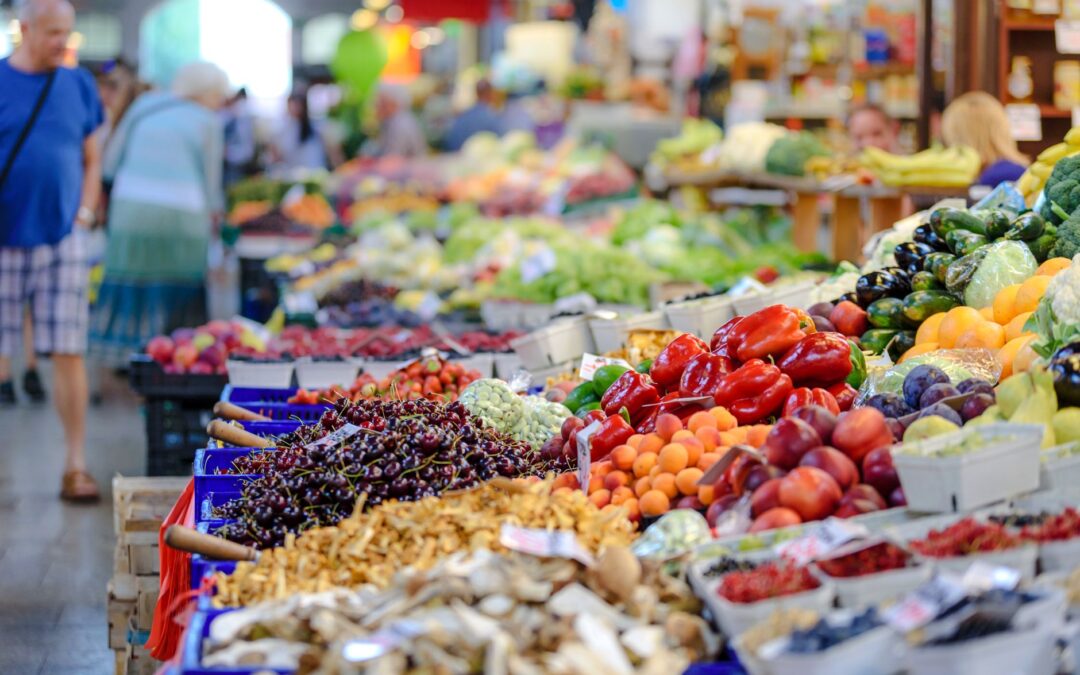
Crunchy foods like broccoli, carrots, apples, and pears gently scrub away plaque, the sticky film of bacteria that builds up on teeth. When a sweet craving hits, reach for a crisp apple or pear instead of a candy bar. You’ll satisfy the craving and give your teeth a little cleaning at the same time.
Why are apples and pears better than other sweet snacks? They have high water content, which dilutes their natural sugar and makes it less damaging. The crunch also stimulates saliva, your mouth’s natural rinse. (This isn’t true for every fruit. Bananas, for example, are healthy in moderation but lack the crunch and water content that make other fruits tooth-friendly.)
The Worst Foods for Your Teeth
Some foods give cavity-causing bacteria exactly what they want. The biggest culprits are simple sugars and sticky starches.
Sugary Foods and Drinks
Sugars and simple carbohydrates go to work the moment they reach your teeth. Bacteria in your mouth convert sugar into acid, and that acid wears away enamel. Candy, soda, and sweetened drinks are common offenders, especially when you sip or snack on them throughout the day.
Sticky and Starchy Snacks
Sticky, starchy foods cling to teeth long after you’ve finished eating. Saliva has a harder time washing away complex carbohydrates, so they linger and feed bacteria. Potato chips, soft bread, and certain dried fruits are worth eating mindfully and following with a glass of water.
Making the Dental Diet Work for You
The dental diet is really a good-news story. You can still eat foods that taste good; you just have to be smart about it. Stay out of the candy aisle, lean toward the produce department, and pair smart eating with good daily habits.
Of course, even the best diet works best alongside professional care. Regular checkups let us spot small problems early, and a routine dental cleaning removes the plaque and tartar your toothbrush can’t reach. If you’d like a fuller breakdown of tooth-friendly nutrients, see our guide to the vitamins and minerals for healthy teeth and gums.
Frequently Asked Questions
What foods are best for healthy teeth?
Cheese, milk, yogurt, lean proteins, nuts, and crunchy fruits and vegetables are among the best. They supply calcium and phosphorus or help clean tooth surfaces while stimulating saliva.
Are fruits bad for my teeth because they contain sugar?
Most whole fruits are a smart choice. Crunchy, high-water fruits like apples and pears naturally dilute their sugar and help clean your teeth. Dried fruits are stickier and higher in concentrated sugar, so enjoy them in moderation.
Why is sugar so hard on teeth?
Bacteria in your mouth feed on sugar and produce acid that erodes enamel. The more often you expose your teeth to sugar, especially through sipping or grazing, the more time that acid has to do damage.
Can a good diet replace dental visits?
No. A tooth-friendly diet is a great foundation, but it can’t remove hardened tartar or catch hidden decay. Regular cleanings and exams are still essential to keeping your smile healthy.
Ready for your next visit to a South San Francisco dentist?
Book Now