
The short answer: Yes, in most cases you should polish your teeth. Professional polishing safely removes surface stains and leftover plaque, leaves teeth smooth and bright, and does not erode healthy enamel when performed by a dental professional.
Key Takeaways
- Professional teeth polishing is safe and does not erode healthy enamel when performed by a trained dental hygienist with the right paste and technique.
- Polishing removes surface stains from foods and drinks, clears leftover plaque, and leaves tooth surfaces smoother so buildup returns more slowly.
- Polishing brightens teeth by lifting surface stains but does not change their natural color — professional whitening is needed for a noticeable shade change.
- Polishing is the final step of a routine professional cleaning and is typically recommended every six months alongside a dental exam.
- Patients with significant tartar buildup or gum disease may need a deeper cleaning before polishing is appropriate.
Polishing teeth is a common question, and it comes with a common worry: will polishing wear down healthy enamel? The good news is that professional polishing is gentle and safe. It’s a finishing step that helps your smile look and feel its best after a cleaning.
What Is Teeth Polishing?
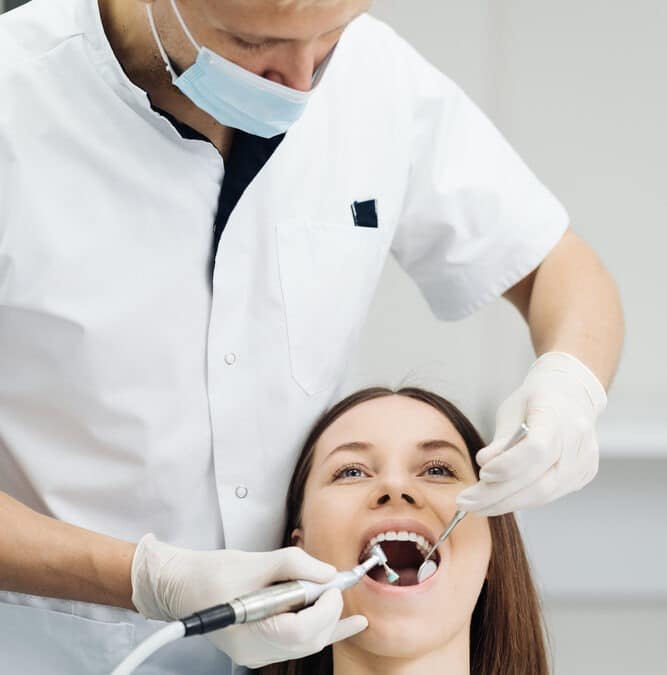
Polishing is usually the final part of a professional cleaning. After plaque and tartar are removed, your hygienist uses a soft rubber cup and a mildly abrasive paste to smooth the tooth surfaces. The result is teeth that feel clean and look brighter. It’s quick, comfortable, and an everyday part of preventive dental care.
The Benefits of Polishing Teeth
Polishing supports both the health and the appearance of your smile. Its main benefits include:
- Removing surface stains. Coffee, tea, red wine, and tobacco can leave teeth looking yellow or dull. Polishing lifts many of these surface stains for a brighter look.
- Clearing leftover plaque. Polishing removes soft deposits and bacteria that remain after scaling, helping reduce the risk of decay and gum problems.
- Creating a smooth surface. Smoother teeth give plaque fewer places to cling, which can slow how quickly buildup returns.
- Freshening your mouth. By removing lingering particles and bacteria, polishing can leave your mouth feeling cleaner and fresher.
Does Polishing Damage Enamel?
This is the most common concern, and it’s an understandable one. When performed by a trained professional with the right paste and gentle technique, polishing does not harm healthy enamel. Your hygienist tailors the approach to your teeth, using a finer paste or a lighter touch where needed. Polishing is meant to be a finishing step, not an aggressive scrub.
How Polishing Fits Into Your Dental Care
Polishing works hand in hand with the rest of your preventive care. It typically follows a routine dental cleaning and pairs naturally with a thorough dental exam, so we can spot any concerns early.
It’s worth noting what polishing is and isn’t. It brightens by removing surface stains, but it does not change the natural color of your teeth. If you’re hoping for a dramatic change in shade, professional teeth whitening is the better option. And if you have significant tartar buildup or signs of gum disease, we may recommend a deeper cleaning before polishing.
So, Should You Polish Your Teeth?
For most patients, the answer is yes. Polishing is a safe, gentle, and worthwhile part of a professional cleaning. It removes stains and leftover plaque, leaves your teeth smooth and bright, and supports your long-term oral health, all without harming healthy enamel.
Frequently Asked Questions
Is teeth polishing safe for enamel?
Yes. When performed by a dental professional with the appropriate paste and technique, polishing does not erode healthy enamel. It’s a gentle finishing step designed to smooth and brighten teeth.
How often should teeth be polished?
Polishing is typically done during your regular professional cleanings, usually every six months. Your dentist may adjust the timing based on your stain level, buildup, and overall oral health.
Does polishing whiten teeth?
Polishing removes surface stains and can make teeth look brighter, but it doesn’t change their natural color. For a noticeably whiter shade, professional whitening is the better choice.
What’s the difference between cleaning and polishing?
Cleaning removes plaque and tartar from the teeth and gumline, while polishing is the final step that smooths the surfaces and lifts surface stains. They work together for a healthier, brighter smile.
Ready for your next visit to a South San Francisco dentist?
Book Now