
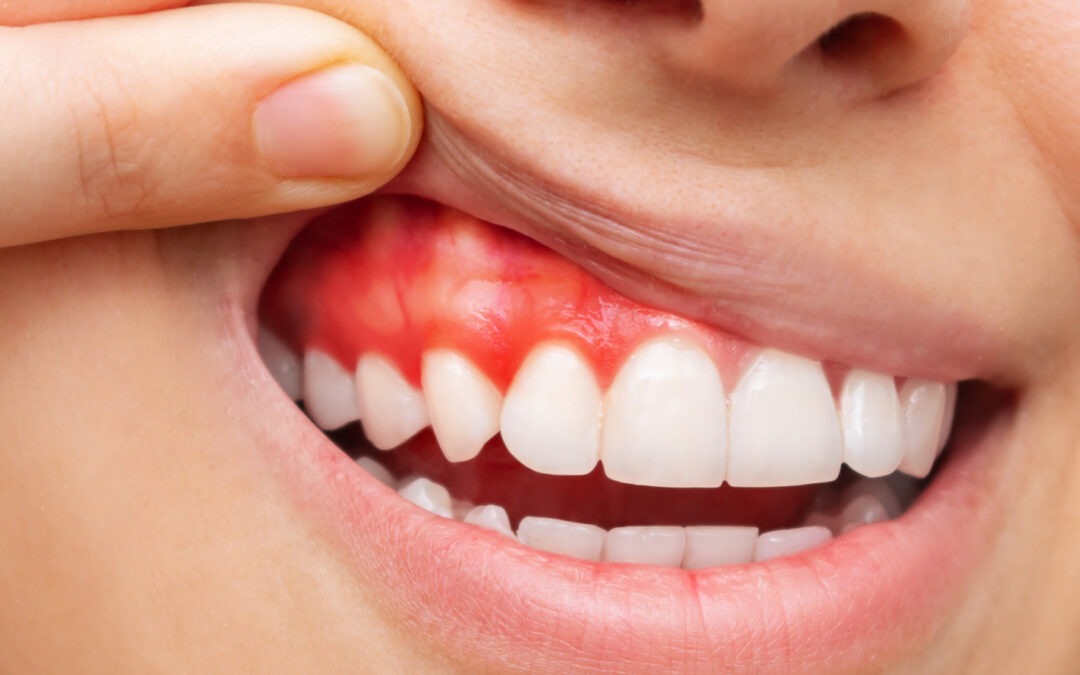
Yes: gum disease can be reversed in its earliest stage. Gingivitis, the mild form of gum disease, is fully reversible with professional cleaning and good oral hygiene. Once it advances to periodontitis, the damage to bone and tissue can be controlled and stopped, but not completely reversed.
- Gingivitis, the earliest stage of gum disease, is fully reversible with professional cleaning and consistent brushing and flossing.
- Once gum disease advances to periodontitis, bone and tissue loss is permanent, but treatment can stop it from progressing further.
- Bleeding, red, or swollen gums are early warning signs that should never be ignored, as gum disease rarely causes pain until it’s advanced.
- Treatment ranges from a routine professional cleaning for gingivitis to scaling and root planing, antibiotics, or surgery for more advanced stages.
- Daily brushing, flossing, avoiding tobacco, and regular dental visits are the most effective ways to prevent gum disease from developing.
Gum disease is more common than most people realize. According to the Centers for Disease Control and Prevention (CDC), about 47% of adults age 30 and older have some form of periodontal (gum) disease, and that figure climbs with age. The good news: catching it early changes everything.
What is gum disease?
Gum disease, also called periodontal disease, is a bacterial infection of the tissues that surround and support your teeth. “Periodontal” simply means “around the tooth,” so the disease affects your gums, the connective tissue, and the bone that anchors each tooth.
It usually starts with plaque: the sticky film of bacteria that constantly forms on teeth. When plaque isn’t removed by brushing and flossing, it hardens into tartar and irritates the gums. Left untreated, the infection can deepen, weaken the bone, and eventually lead to tooth loss. If you’re concerned about your gums, our gum disease treatment in South San Francisco can help you get back on track.
What are the stages of gum disease?
Gingivitis (the reversible stage)
Gingivitis is the earliest and mildest form. The gums become red, swollen, and may bleed easily when you brush or floss. At this point the bone and connective tissue are not yet damaged, which is exactly why gingivitis is reversible. With a professional cleaning and consistent home care, your gums can return to full health.
Periodontitis (controllable, but not fully reversible)
If gingivitis is ignored, it can progress to periodontitis. Here the gums begin to pull away from the teeth, forming pockets that trap bacteria, and the supporting bone starts to break down. Periodontitis comes in slower-progressing (chronic) and faster-progressing (aggressive) forms. The bone loss at this stage is permanent, but professional treatment can halt the disease and protect the teeth you still have. Learn more about our periodontal disease treatment.
What are the warning signs of gum disease?
- Red, swollen, or tender gums
- Gums that bleed when brushing or flossing
- Persistent bad breath or a bad taste in your mouth
- Gums that are pulling away from the teeth (receding)
- Loose or shifting teeth
- A change in how your teeth fit together when you bite
One reason gum disease is so often missed is that early on it rarely hurts. Many people see a little blood when they brush and assume it’s normal: it isn’t. Bleeding gums are one of the first signs worth taking seriously.
How is gum disease treated?
Treatment depends on how far the disease has progressed.
- Professional cleaning: For gingivitis, a thorough routine dental cleaning plus better home care is often all it takes to reverse it.
- Scaling and root planing: For early periodontitis, this deep cleaning removes plaque and tartar from below the gum line and smooths the tooth roots so the gums can reattach. (This is sometimes called “root planing”, not “root planning.”)
- Antibacterial therapy: Prescription rinses or localized antibiotics may be used alongside cleaning.
- Surgical treatment: Advanced cases may need pocket reduction surgery, soft tissue grafts, or bone regeneration, sometimes with a referral to a periodontist.
How can you prevent gum disease?
Prevention is simpler, and far cheaper, than treatment. A consistent routine keeps the bacteria that cause gum disease in check:
- Brush twice a day for two minutes, morning and night, with fluoride toothpaste.
- Floss daily, paying special attention to just below the gum line. A water flosser is a helpful add-on for reaching deeper pockets.
- Rinse with an antibacterial mouthwash to reach bacteria your brush can’t.
- Don’t smoke: tobacco use is one of the biggest risk factors for gum disease.
- See your dentist regularly for a cleaning and dental exam, typically every six months.
The single most important thing you can do is act early. The moment you notice red, bleeding, or tender gums, that’s the time to come in: while the problem is still completely reversible.
Frequently Asked Questions
Can gum disease be reversed naturally at home?
Early gingivitis can often be reversed at home with diligent brushing, flossing, and an antibacterial rinse. However, a professional cleaning is usually needed to remove hardened tartar, which can’t be brushed away.
How long does it take to reverse gingivitis?
With professional cleaning and consistent home care, gingivitis often improves within a couple of weeks. Sticking with the routine long-term is what keeps it from coming back.
Is periodontitis reversible?
No: the bone and tissue loss from periodontitis is permanent. But treatment can stop the disease from advancing and protect your remaining teeth, which is why early care matters so much.
Do bleeding gums always mean gum disease?
Bleeding gums are one of the most common early signs of gingivitis and shouldn’t be ignored. Brushing too hard or starting a new flossing routine can also cause temporary bleeding, so it’s worth having a dentist take a look.
Ready for your next visit to a South San Francisco dentist?
Book Now