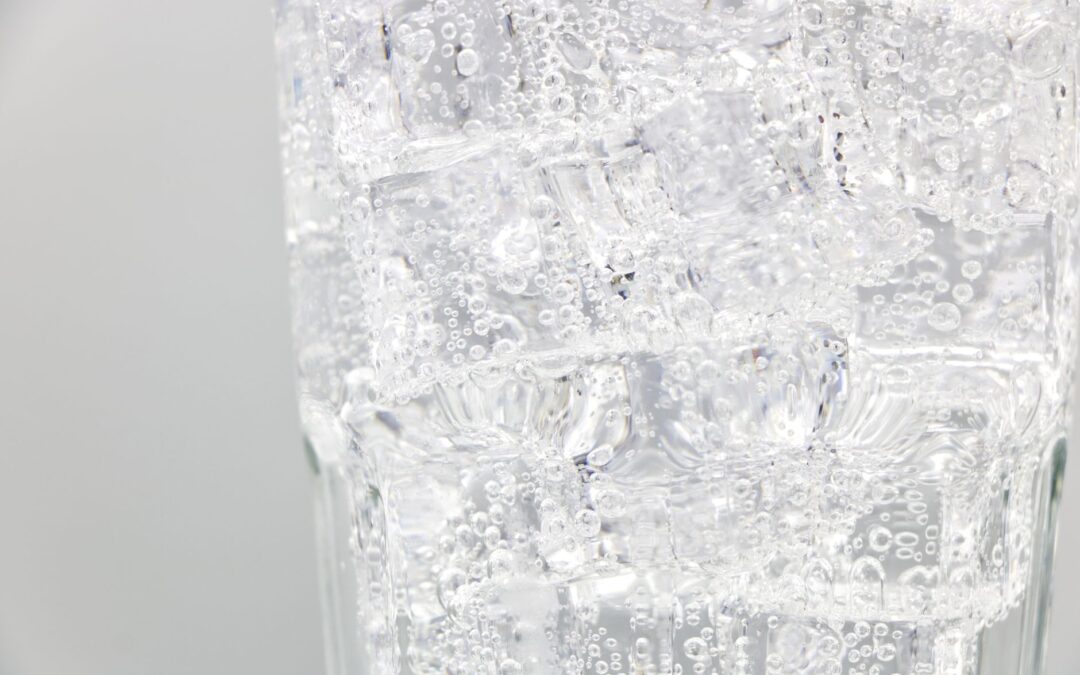
Plain seltzer water is slightly acidic and can soften enamel with heavy, frequent exposure — but for most people who drink it in moderation, the risk to teeth is low compared to soda, juice, or flavored sparkling drinks.
- Plain carbonated water has a pH around 3–4, making it mildly acidic — but far less erosive than soda (pH ~2.5) or citrus juice (pH ~2).
- Flavored sparkling waters — especially citrus or “natural flavor” varieties — are significantly more acidic and riskier for enamel.
- How you drink matters as much as what you drink: sipping continuously all day is harder on enamel than drinking it with a meal or all at once.
- Saliva neutralizes mild acidity within about 20–30 minutes; giving teeth a break between drinks allows that recovery to happen.
- If you already have sensitive teeth, thinning enamel, or dry mouth, your dentist may recommend cutting back or switching to still water.
Seltzer has had a serious glow-up over the last decade. Walk into any South San Francisco grocery store and you’ll find an entire wall of sparkling waters — plain, flavored, mineral, hard. For people trying to ditch soda, it feels like the obvious upgrade. But the question we hear a lot in our office is: is all that bubbling actually doing damage? Here’s the real answer, without the hype.
What Makes Seltzer Acidic in the First Place?
The fizz in sparkling water comes from dissolved carbon dioxide gas. When CO₂ mixes with water, it forms carbonic acid — the same weak acid that gives all carbonated drinks their tingle. That process drops the pH of plain seltzer to roughly 3–4 on the acidity scale, where 7 is neutral.
Enamel — the hard outer shell of your teeth — begins to soften at a pH below about 5.5, according to the American Dental Association’s MouthHealthy resource on enamel erosion. So yes, seltzer is technically below that threshold. But context matters enormously here, and the gap between “mildly acidic” and “actively damaging” is wide.
How Does Seltzer Compare to Other Drinks?
A helpful way to understand the real risk is to line seltzer up against the other drinks competing for space in your fridge.
| Drink | Approximate pH | Enamel Risk |
|---|---|---|
| Still water | 7.0 | None |
| Plain seltzer (e.g., club soda, plain LaCroix) | 3.5–4.5 | Low (with normal use) |
| Flavored sparkling water (citrus varieties) | 2.7–3.5 | Moderate |
| Orange juice | 3.5–4.0 | Moderate |
| Sports drinks | 2.5–3.5 | Moderate–High |
| Cola / soda | 2.3–2.8 | High |
| Lemon juice / vinegar | 2.0–2.5 | Very High |
The takeaway from that table: plain seltzer sits closer to orange juice than to soda — and most people don’t panic about an occasional glass of OJ. The real concern is flavored sparkling waters, which often contain citric acid or natural fruit flavoring that pushes the pH noticeably lower and makes them meaningfully more erosive than plain carbonated water.
A 2021 study published in the Journal of the American Dental Association found that while flavored sparkling waters had erosive potential similar to some orange juices, plain sparkling water showed significantly less erosion on tooth enamel — supporting the idea that the additives matter more than the carbonation itself.
Does the Way You Drink Seltzer Matter?
Yes, and this part is often overlooked. Enamel doesn’t erode from a single acidic exposure — it erodes from repeated, prolonged acid contact that doesn’t give saliva time to do its job.
Saliva is your mouth’s natural buffer. It neutralizes mild acids and helps remineralize softened enamel, but it needs time — roughly 20 to 30 minutes after an acidic drink — to restore a healthy oral pH. When someone sips seltzer continuously throughout a three-hour workday, teeth spend most of that time in a low-pH environment. That’s a very different situation from drinking a can of seltzer with lunch and then moving on with your day.
A few habits that reduce the risk:
- Drink it with meals. Food buffers acidity, and saliva production peaks during eating — a natural defense.
- Don’t nurse it for hours. Finish your drink in a reasonable sitting rather than constant slow sipping.
- Follow with still water. A rinse with plain water helps clear acid from the tooth surface.
- Wait before brushing. Brushing immediately after an acidic drink can scratch softened enamel. Wait at least 30 minutes.
- Avoid citrus-flavored varieties. If you’re drinking sparkling water all day, plain is always a safer choice than lemon or grapefruit varieties.
Who Should Be More Careful?
For most healthy adults, moderate plain seltzer consumption is not going to cause noticeable enamel damage. But there are situations where our dental team would suggest scaling back or switching to still water:
- Existing tooth sensitivity or thin enamel. If your enamel is already compromised, even mild acids hit differently.
- Dry mouth (xerostomia). Saliva is your acid buffer. Low saliva flow — from medications, autoimmune conditions, or cancer treatment — removes that protection. Acidic drinks become a bigger risk.
- Acid reflux or GERD. If stomach acid is already bathing your teeth from below, adding dietary acid from seltzer compounds the problem.
- Active orthodontic treatment. Brackets and aligners change saliva flow and make it harder to clean acid-exposed surfaces thoroughly.
- Kids and teens. Developing enamel is thinner and more porous. Sparkling water is fine occasionally, but still water is the better daily habit for younger drinkers.
What About Sparkling Mineral Water?
Mineral waters like Perrier or San Pellegrino are naturally carbonated from underground springs and contain dissolved minerals including calcium and magnesium. Interestingly, some research suggests the mineral content may partially offset the mild acidity — though they’re still acidic and not neutral. They sit in the same low-risk category as plain seltzer for most people. The citrus-flavored mineral water versions, however, get the same caution as other flavored sparkling drinks.
What Does the Research Actually Say?
The short version: plain sparkling water is not meaningfully more damaging to enamel than still water for people who drink it normally. The concern is mostly relevant for heavy, all-day consumption of flavored varieties — particularly ones with added citric acid — especially when combined with other erosion risk factors.
The bigger villain in the sparkling-drink category is soda. Even diet soda is highly acidic and adds phosphoric acid to the mix. Swapping daily soda for plain seltzer is still a genuine win for your teeth, not a lateral move.
If you’re noticing sensitivity or have questions about your enamel health, a dental exam at Vaksman Dental Group in South San Francisco is the right starting point. Our team can check for early signs of erosion and give you personalized guidance — something a general article like this can’t fully replace.
Can You Protect Your Enamel If You Love Seltzer?
Absolutely. Cutting out sparkling water entirely is not necessary for most people. Here’s what actually works to protect enamel on a daily basis:
- Brush twice a day with a fluoride toothpaste. Fluoride helps remineralize enamel that mild acids have softened. This is your biggest daily defense.
- Use a fluoride mouthwash if you’re a heavy seltzer drinker. An extra fluoride exposure at night can help enamel recover overnight.
- Drink through a straw when possible. It routes liquid past the front teeth, reducing direct contact — though it doesn’t eliminate it.
- Stay hydrated with still water too. If every single sip of liquid you drink is slightly acidic, swapping some of that for plain water matters.
- Keep up with your cleanings. Regular professional dental cleanings and checkups let your dental team spot early erosion patterns before they become a bigger issue.
Frequently Asked Questions
Is drinking seltzer water every day bad for your teeth?
For most adults, drinking plain seltzer water daily in reasonable amounts is not likely to cause significant enamel damage. The risk goes up with constant all-day sipping, citrus-flavored varieties, or underlying issues like dry mouth or acid reflux. Plain seltzer is a much safer choice than soda or sports drinks.
Is flavored sparkling water worse for teeth than plain seltzer?
Yes. Flavored sparkling waters — especially citrus-flavored ones — typically contain citric acid or natural fruit flavoring that drops their pH closer to soda or orange juice levels. They’re meaningfully more erosive than plain carbonated water and should be consumed more cautiously, especially if you’re sipping throughout the day.
Can seltzer water cause tooth sensitivity?
Seltzer alone is unlikely to cause sensitivity in people with healthy enamel. However, if you already have thin enamel, exposed dentin, or existing sensitivity, frequent acidic exposure from any source — including seltzer — can aggravate it. If you’re noticing new or worsening sensitivity, it’s worth getting it checked.
What’s the safest sparkling drink for your teeth?
Plain, unflavored carbonated water is the safest sparkling option. Sparkling mineral water (plain) is also low-risk for most people. The further you get from “just carbonated water” — adding citric acid, fruit flavors, sugar, or phosphoric acid — the higher the erosion risk. Still water remains the gold standard for enamel health.
Have questions about your enamel or what your daily habits are doing to your smile? Our team in South San Francisco is happy to take a look.
Written by the Vaksman Dental Group team and medically reviewed by Dr. Irena Vaksman, DDS — South San Francisco. Last reviewed October 2026.