
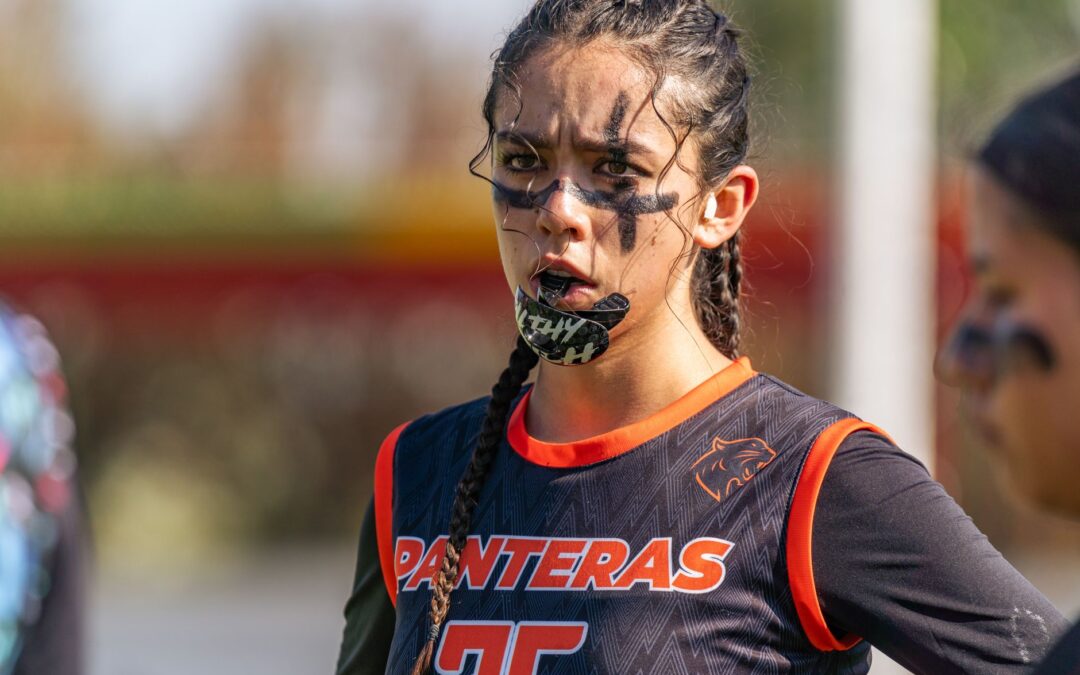
If your kid plays football, soccer, lacrosse, basketball, or just about any contact sport this fall, a properly fitted mouthguard is one of the most important pieces of gear you’ll buy — and one of the most overlooked. The short answer: the American Dental Association recommends mouthguards for any sport that risks contact to the face, and that’s a longer list than most parents expect. Delta Dental even reopened its free mouthguard application program for back-to-school season this month, which tells you how real the need is. Here’s what you actually need to know before the first whistle blows.
1. The Risk Is Real (and the Numbers Are Striking)
Dental injuries are among the most common sports injuries in kids and teens. According to the American Dental Association’s MouthHealthy resource, athletes who don’t wear mouthguards are 60 times more likely to suffer dental injuries than those who do. A single knocked-out or fractured tooth can mean years of follow-up care — crowns, implants, or root canals — that cost far more than any mouthguard ever will.
South San Francisco kids are out there every fall playing for El Camino High, South San Francisco High, and dozens of club and rec-league teams. A little protection goes a long way.
2. Not All Mouthguards Are Created Equal
There are three main types, and the difference in protection is significant:
- Stock mouthguards — bought off the shelf, worn as-is. They’re cheap (often under $5), but they fit poorly, can make breathing harder, and offer the least protection.
- Boil-and-bite mouthguards — softened in hot water, then molded around the teeth at home. Better than stock, and the most common option at sporting goods stores. Decent for lower-contact sports, but the fit is still imprecise.
- Custom-fitted mouthguards — made from a professional impression of your child’s actual teeth. These fit accurately, stay in place, don’t interfere with breathing or speaking, and provide the highest level of protection. The ADA and most dental organizations recommend them for high-contact sports.
Custom guards can also be made with in-office 3D printing technology. At Vaksman Dental Group, our team uses SprintRay, our in-office 3D printer, to fabricate precise, well-fitting dental appliances — which means a faster turnaround and a better fit than traditional lab-sent options.
3. Every Sport That Belongs on the Mouthguard List (the List Is Long)
Most parents think “football” and stop there. The ADA lists mouthguards as recommended for all of these:
- Football, rugby, lacrosse, and field hockey (mandatory in many leagues)
- Basketball and volleyball (elbows fly)
- Soccer (heading + collisions)
- Baseball and softball (pitches, bats, and diving catches)
- Martial arts, wrestling, and boxing
- Skateboarding, inline skating, and BMX riding
- Gymnastics and cheerleading
- Mountain biking and skiing/snowboarding
If your child’s sport involves speed, a hard object, or another person’s body, a mouthguard belongs in the gear bag.
4. Kids With Braces Need a Mouthguard More Than Anyone
If your child is in braces or Invisalign, a mouthguard is even more important, not less. A direct hit to the mouth can drive brackets and wires into the soft tissue of the lips and cheeks. Stock boil-and-bite guards shouldn’t be used over brackets — the molding process can damage the hardware. Instead, a custom-made guard designed to fit over orthodontic appliances is the right call. Our team can fit one that accommodates the current position of the teeth and the braces.
Ask about custom dental mouth guards at Vaksman Dental Group at your next appointment.
5. Fit Changes as Kids Grow — Guards Need to Be Replaced
A mouthguard that fit perfectly last fall may be loose or uncomfortable by spring. Kids’ mouths change fast, especially if they’re losing baby teeth, gaining permanent ones, or actively in orthodontic treatment. A poorly fitting mouthguard is not just less protective; it can actually discourage kids from wearing it at all.
The general guidance: replace a boil-and-bite guard every season (or sooner if it shows wear), and check a custom guard at each dental visit. If your child has had significant tooth changes, a new impression may be needed. This is a quick, easy process — and a lot less involved than treating a knocked-out tooth.
6. A Sports Physical Is a Great Time to Check the Teeth Too
August is the classic “sports physical” month for school athletics. While the pediatrician checks height, weight, and heart rate, the dental exam often gets skipped entirely. A pre-season dental checkup is worth adding to the list: it’s the right moment to check for any existing issues that a sports injury could make worse (a weakened tooth, an old filling, early signs of wear), and to get a custom mouthguard fitted if your child doesn’t have one.
Our team at Vaksman Dental Group, at 1241 Mission Road in South San Francisco, is happy to work around a busy fall schedule. Preventive dental care in South San Francisco — including mouthguard fittings — is available for patients of all ages, from the San Bruno and Millbrae families we see regularly to kids coming in from the SSF rec leagues.
And if the worst does happen mid-season, our team handles dental emergencies too. You can read more about emergency dental care at Vaksman Dental Group if a tooth gets knocked loose, chipped, or displaced at practice.
The Bottom Line
The right mouthguard costs somewhere between $10 (boil-and-bite) and a few hundred dollars (custom), depending on the type. A single knocked-out tooth, treated properly, can cost thousands. The math is easy. Get your athlete fitted before the season starts, check the fit every season, and replace it when it shows wear. It’s one of the simplest things you can do to protect a smile that has to last a lifetime.
Frequently Asked Questions
What is the best type of mouthguard for youth sports?
Custom-fitted mouthguards made by a dentist offer the best protection, fit, and comfort. They stay in place during play, don’t interfere with breathing, and are tailored to your child’s exact teeth. For lower-contact activities, a properly fitted boil-and-bite guard is an acceptable second option, but custom is the gold standard for any high-contact sport.
Can my child wear a mouthguard with braces?
Yes, and it’s strongly recommended. Standard boil-and-bite guards should not be used over braces because they can damage the brackets. A dentist can fit a custom guard that accommodates the braces and protects both the teeth and the soft tissue of the mouth from bracket-related injuries.
How often should a sports mouthguard be replaced?
Boil-and-bite mouthguards should generally be replaced every season or when they show signs of wear, thinning, or distortion. Custom-fitted guards can last longer, but should be evaluated at each dental checkup. If a child’s teeth have shifted significantly (due to growth or orthodontic treatment), a new fitting may be needed sooner.
Does my child need a mouthguard for non-contact sports like basketball or soccer?
Yes. The ADA recommends mouthguards for any sport with a risk of contact to the face. Basketball and soccer are among the most common causes of dental injuries in young athletes, even though they’re not classified as full-contact sports. Elbows, heads, and hard floors create real risks. A mouthguard is smart gear for both.
Ready to get your athlete fitted before the season starts? Schedule a mouthguard appointment with our team at Vaksman Dental Group in South San Francisco.
Written by the Vaksman Dental Group team and medically reviewed by Dr. Irena Vaksman, DDS — South San Francisco. Last reviewed August 2026.