
After wisdom teeth removal, your diet should be soft, cool or lukewarm, and completely free of anything crunchy or chewy for at least the first week. What you eat during recovery has a direct impact on your healing speed, your comfort level, and your risk of the most painful complication after the procedure: dry socket.
- Stick to soft, cool or room-temperature foods for the first 24 to 48 hours, then gently expand from there.
- Avoid straws, hot liquids, alcohol, and anything crunchy or chewy until your dentist gives the all-clear — these can dislodge the blood clot that protects the healing socket.
- Most people can return to a nearly normal (soft) diet by week two; full recovery varies by individual and procedure complexity.
- Nutrient-rich choices like eggs, Greek yogurt, and blended soups help your body heal faster — recovery food doesn’t have to be boring.
- If you’re in the South San Francisco area and have questions about your post-op care, our team is always just a call away at (650) 588-3710.
Why Does Diet Matter So Much After Wisdom Teeth Removal?
After your tooth is removed, your body forms a blood clot at the extraction site. That clot is doing critical work — it covers exposed bone and nerve tissue, acting as the foundation for new tissue growth. Disturbing it, whether through suction, heat, or something sharp pressing against it, can cause it to dislodge.
When that happens, you get dry socket (alveolar osteitis). It’s the most common complication of wisdom tooth extraction, occurring in roughly 2 to 5 percent of extractions overall, and up to 30 percent for lower wisdom teeth, according to a clinical review published on the NIH’s National Library of Medicine. Dry socket is genuinely painful — a deep, throbbing ache that radiates toward the ear — and it adds days to your recovery.
Good food choices protect the clot. Bad ones risk it. That’s the whole story.
What Can You Eat in the First 24 Hours?
The first day is the most restricted, but it’s also the shortest phase. Keep everything:
- Cold or room temperature. Heat increases blood flow, which can make swelling worse and increase the chance of bleeding. Ice cream (without crunchy mix-ins) is genuinely a good choice here.
- Completely smooth. No seeds, no chunks, no bits that could sneak into the socket.
- No-suction required. Put the straw away. Sipping through a straw creates negative pressure in your mouth that can pull the clot right out.
Great first-day options:
- Applesauce (no chunks)
- Plain yogurt (smooth, not frozen yogurt with toppings)
- Pudding or gelatin
- Ice cream or sorbet (skip the cone and the crunchy mix-ins)
- A cold or lukewarm smoothie — sipped from a spoon or cup, not a straw
- Broth (warm, not hot)
What Should You Eat During Days 2 Through 7?
As soreness begins to ease, you can cautiously add soft, easy-to-chew foods. The goal is still zero pressure on the extraction sites. Chew on the opposite side of your mouth whenever possible.
Foods that work well during this phase include:
- Scrambled eggs — soft, protein-rich, and easy to make. One of the best recovery foods you’ll find.
- Mashed potatoes — filling and comforting. Skip the thick gravy, which can be hard to rinse away gently.
- Blended soups (think butternut squash, tomato, or potato leek) — nutritious and easy to eat warm (not hot).
- Soft fish like tilapia or salmon, broken into small flakes.
- Oatmeal (cooled a bit, made smooth with extra water or milk).
- Avocado — mashed or sliced, packed with healthy fats your body needs for healing.
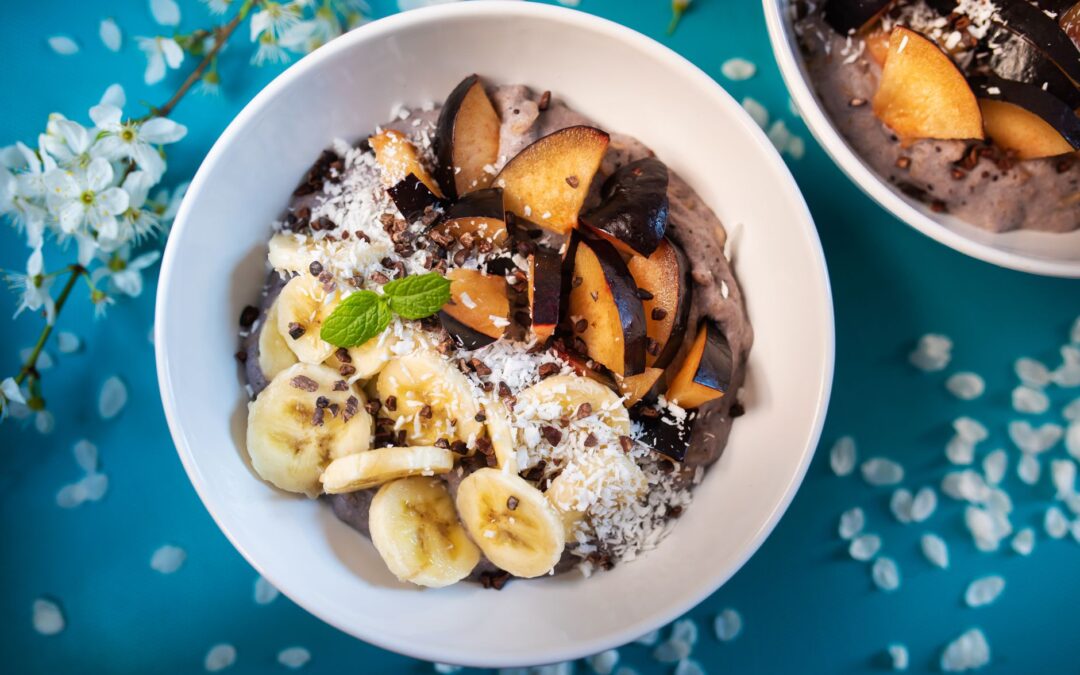
- Ripe banana — soft enough to press with your tongue, no chewing required.
- Hummus — with soft pita pieces you can let dissolve, not crackers.
- Cottage cheese or soft tofu.
- Greek yogurt with a drizzle of honey — higher in protein than regular yogurt and great for your immune system.
The American Dental Association’s MouthHealthy resource on tooth extractions recommends soft foods and avoiding hard, crunchy, or sticky foods until healing is further along — good guidance for all extractions, wisdom teeth included.
What Foods Should You Absolutely Avoid?
Some foods are risky for mechanical reasons (they dislodge the clot or get stuck in the socket). Others create chemical or thermal conditions that slow healing. Here’s the list to memorize:
- Crunchy or hard foods: chips, crackers, pretzels, nuts, raw carrots, granola. These can break into sharp fragments that press into the socket.
- Chewy foods: bagels, tough bread, steak, gummy candies. The jaw motion involved puts traction on the healing tissue.
- Small seeds and grains: rice, quinoa, sesame seeds, poppy seeds. They’re notorious for embedding in the socket and causing irritation or infection.
- Spicy foods: spice can irritate healing tissue and cause a burning sensation in an open socket.
- Very hot food or drinks: heat promotes bleeding and can slow clot formation.
- Alcohol: interacts badly with prescribed pain medications and can interfere with healing. Avoid for at least 72 hours, longer if you’re on antibiotics.
- Carbonated beverages: the bubbles can create suction similar to a straw effect. Skip the sparkling water and soda for a few days.
- Anything that requires a straw. This bears repeating because people forget: no straws for at least 72 hours, ideally a full week.
What’s a Good Recovery Meal Plan for Week Two?
By week two, most people feel dramatically better. The soreness is usually manageable or gone, and you can start reintroducing more variety. Still, avoid anything truly crunchy or chewy until you’ve checked in with your dental team.
At this stage, you can typically add:
- Soft pasta (well-cooked, in a smooth sauce)
- Ground meat or very tender pulled chicken
- Soft-cooked vegetables (steamed zucchini, soft sweet potato chunks)
- Pancakes or soft French toast (without crunchy toppings)
- Soft-cooked beans or lentils
The rule of thumb is simple: if you’re not sure whether something is too tough or crunchy, it probably is. Give it another day.
Any Tips to Make Recovery Eating Easier?
A few practical things our team often passes along to patients:
- Prep ahead. Stock your kitchen before the appointment. Post-surgery grocery shopping is not fun. Think: yogurt cups, applesauce pouches, broth cartons, a ripe bunch of bananas, and your favorite ice cream flavor.
- Use a spoon for everything. Even smoothies and soups. It sounds fussy, but it removes all suction risk.
- Rinse gently after eating. Your dentist will likely recommend warm salt water rinses starting 24 hours after surgery — these help clear debris without disturbing the clot. Gentle means gentle: let the water fall out of your mouth, don’t spit forcefully.
- Stay hydrated. Water is your friend throughout recovery. Just drink it from a cup.
- Protein matters. Your body is doing repair work. Eggs, Greek yogurt, soft fish, and cottage cheese give it the building blocks it needs.
- Don’t skip meals. You need to take pain medication on a full stomach. Skipping food to avoid the discomfort of eating can backfire quickly.
When Can You Eat Normally Again?
Most people can transition back to a more normal diet within two weeks, though everyone heals at a different pace. Complex extractions, impacted teeth, or multiple simultaneous extractions may require a longer soft-food period. Your dental team will give you a personal timeline based on how your healing is progressing.
If you experience increasing pain after the first couple of days, or notice the extraction site looks empty (no clot visible), contact your dentist right away. Those are signs of dry socket, and it’s very treatable once diagnosed.
At Vaksman Dental Group, our team handles wisdom teeth removal in South San Francisco and walks every patient through what to expect before, during, and after the procedure. Detailed post-op instructions are part of every extraction appointment — because knowing what to do at home is just as important as what happens in the chair.
If you need a post-procedure follow-up or have questions about how healing is going, we’re also available for emergency dental care in South San Francisco if something feels wrong between appointments. You’re never left guessing.
Frequently Asked Questions
Can I eat soft bread after wisdom teeth removal?
Not right away. Soft bread can be surprisingly sticky and chewy, and it tends to ball up and press into the socket. After the first week, lightly toasted and very soft bread may be okay — but skip it for the first few days and introduce it carefully.
Is ice cream actually okay to eat after wisdom teeth removal?
Yes, plain ice cream is one of the classic post-extraction foods for a reason. The cold helps reduce inflammation, it’s smooth, and it requires no chewing. Just avoid flavors with mix-ins like cookie pieces, nuts, or hard candy chunks. Soft-serve without toppings is ideal for day one.
What happens if food gets into the extraction socket?
Small food debris in the socket is common and usually not dangerous on its own. The concern is when debris isn’t cleared and causes irritation or infection. Gentle warm salt water rinses (starting 24 hours after surgery) help flush things out. Don’t probe the area with your finger or a toothpick — if you’re worried about something lodged in the socket, call your dental office.
Why can’t I use a straw after wisdom teeth removal?
The suction created when you sip through a straw generates negative pressure inside your mouth. That pressure can pull the blood clot out of the healing socket before new tissue has had time to grow. Losing the clot means exposed bone and nerve — dry socket — which is significantly more painful than the extraction itself. Avoiding straws for at least 72 hours (and ideally a full week) is one of the most important things you can do after surgery.
Schedule Your Appointment at Vaksman Dental Group
Written by the Vaksman Dental Group team and medically reviewed by Dr. Irena Vaksman, DDS — South San Francisco. Last reviewed July 2026.