
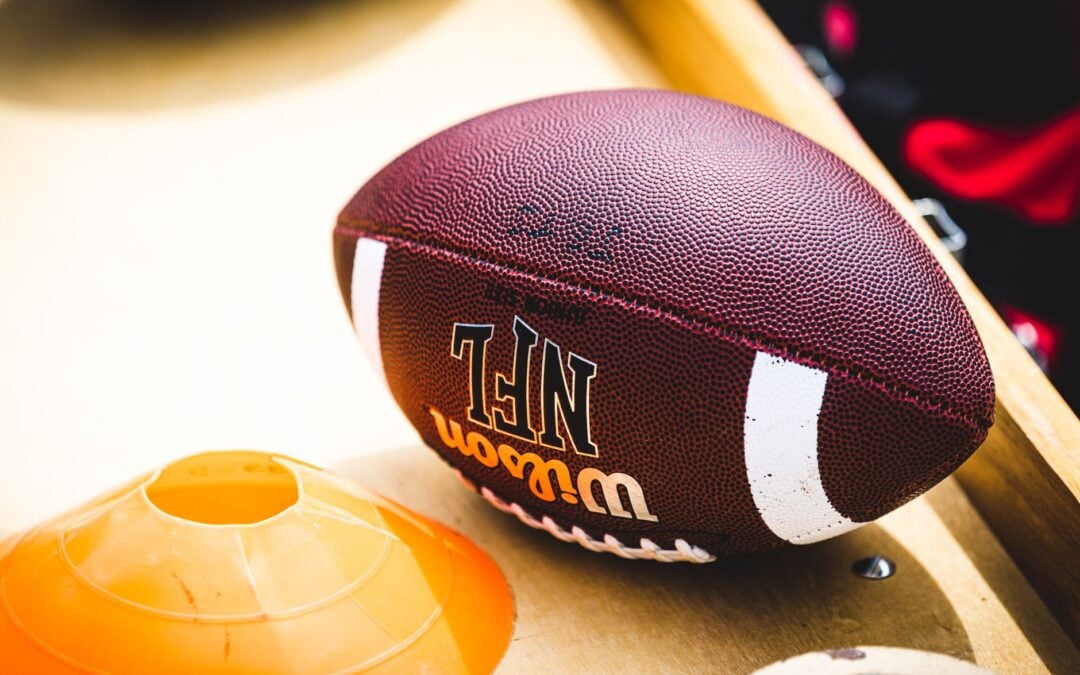
Jamar Chase’s teeth have been all over social media lately, and the curiosity makes sense: he’s one of the most exciting wide receivers in the NFL, and those game-day collisions are hard to watch. The short answer is that high-contact sports put teeth at real risk, and what happens in those first minutes after a dental injury often determines whether a tooth can be saved. Here are seven things his story teaches us about dental trauma, sports injuries, and protecting your own smile.
1. Contact Sports and Tooth Injuries Are More Common Than People Think
The American Dental Association estimates that sports cause roughly 600,000 dental emergency visits every year in the United States. Football, basketball, and hockey get most of the attention, but soccer, baseball, and even recreational sports send plenty of people to the dentist with chipped, cracked, or knocked-out teeth. Athletes at every level face this risk, not just the pros.
2. A Knocked-Out Tooth Is a 30-Minute Emergency
If a permanent tooth gets knocked completely out, time is everything. The best chance of saving it comes within 30 minutes. Here is what to do while you get to a dentist:
- Pick the tooth up by the crown (the white part), never by the root.
- If it is dirty, rinse gently with clean water. Do not scrub it.
- Try to place the tooth back in the socket and hold it there gently. If that is not possible, store it in milk or in the gap between your cheek and gum to keep it moist.
- Get to an emergency dentist immediately.
Letting the root dry out is the fastest way to lose the tooth permanently. Beyond 60 minutes, re-implantation success drops sharply, according to data from the American Association of Endodontists.
3. Chipped and Cracked Teeth Are Not Minor Problems
A crack that looks cosmetic on the surface can extend deeper than you can see. Depending on how far a crack goes, treatment can range from simple bonding to a full crown, or in serious cases, a root canal. Our dental team sees this often after sports injuries: what a patient thought was a small chip turns out to reach close to the pulp (the nerve). Getting it evaluated quickly keeps more of your natural tooth structure intact. If you need a crown after a sports injury, our office uses CEREC technology to place a ceramic crown in a single visit, so you are not stuck waiting weeks with a temporary.
4. A Mouthguard Is the Single Best Thing You Can Do
This one is not glamorous, but it is true. A well-fitted mouthguard can absorb and distribute the force of a blow before it reaches your teeth, jaw, or brain. The ADA recommends mouthguards for more than 30 sports and activities. There are three types:
- Stock mouthguards (over the counter, pre-formed): inexpensive but bulky and low on protection.
- Boil-and-bite (over the counter, moldable): better fit, decent protection for recreational sports.
- Custom mouthguards (made by a dentist from impressions): the best fit, best comfort, and best protection. These are what serious athletes should use.
A custom-fitted mouthguard from our South San Francisco office stays securely in place and does not interfere with breathing or speaking, which is exactly why pros wear them on every play.
5. Even NFL Players Do Not Always Wear Them Every Play
It is worth noting that mouthguard use in the NFL is inconsistent. Many receivers and quarterbacks dangle them from their facemasks or skip them entirely because they prefer to communicate freely on the field. That is their choice as professional adults, but it does explain why dental injuries happen even at the highest level. If you watch NFL games closely, you will spot plenty of players without mouthguards in. For the rest of us, especially kids and teens playing school or club sports, there is no equivalent trade-off worth making.
6. Dental Trauma Can Have Long-Term Consequences
Even when a tooth survives an initial injury, it can develop problems months or years later. A tooth that was knocked loose, re-implanted, or cracked can gradually lose its nerve supply, darken in color, or develop an infection at the root tip. Regular dental exams after any significant injury are important. At Vaksman Dental Group, our dentists use Pearl AI, an FDA-cleared AI system that assists with reviewing dental X-rays, to help catch subtle changes in tooth and bone structure that might be easy to miss on a quick visual check. Catching a small issue early beats treating a bigger one later.
7. Replacing a Lost Tooth Has Never Had More Options
If a tooth cannot be saved, modern dentistry has strong options. Dental implants are the gold standard for replacing a single missing tooth. An implant is a titanium post placed in the jawbone that functions and feels like a natural tooth root, with a ceramic crown on top. For patients who are not candidates for implants, a dental bridge is a proven, effective alternative. The right choice depends on your bone health, timeline, and budget, and our team will walk you through both options clearly so you can make a decision that fits your life.
Frequently Asked Questions
What should I do if I knock out a tooth during a game?
Pick it up by the crown, rinse it gently without scrubbing, and either replace it in the socket or store it in milk. Get to an emergency dentist within 30 minutes. The faster you act, the better the chance of saving the tooth.
Can a chipped tooth fix itself?
No. Tooth enamel does not regenerate. Even a small chip needs professional evaluation to rule out deeper cracking. Treatment options range from cosmetic bonding to a crown, depending on how much of the tooth is affected.
Are custom mouthguards really better than ones from the drugstore?
Yes. Custom mouthguards fit precisely to your teeth and absorb force more evenly. They are more comfortable, stay in place better, and provide stronger protection. For anyone playing contact or collision sports regularly, a custom fit is worth it.
How soon after a dental injury should I see a dentist?
As soon as possible, ideally the same day. Even if the tooth looks fine, an X-ray can reveal damage to the root or surrounding bone that is not visible. Some injuries that appear minor can lead to serious problems if they are not treated promptly.
Dental injuries in sports are very real, very common, and very preventable. Whether you play recreational soccer on the Peninsula or watch your kid line up for a Friday night game, the right protection and the right care plan make all the difference.
Schedule an Appointment at Vaksman Dental Group
Written by the Vaksman Dental Group team and medically reviewed by Dr. Irena Vaksman, DDS — South San Francisco. Last reviewed November 2026.