
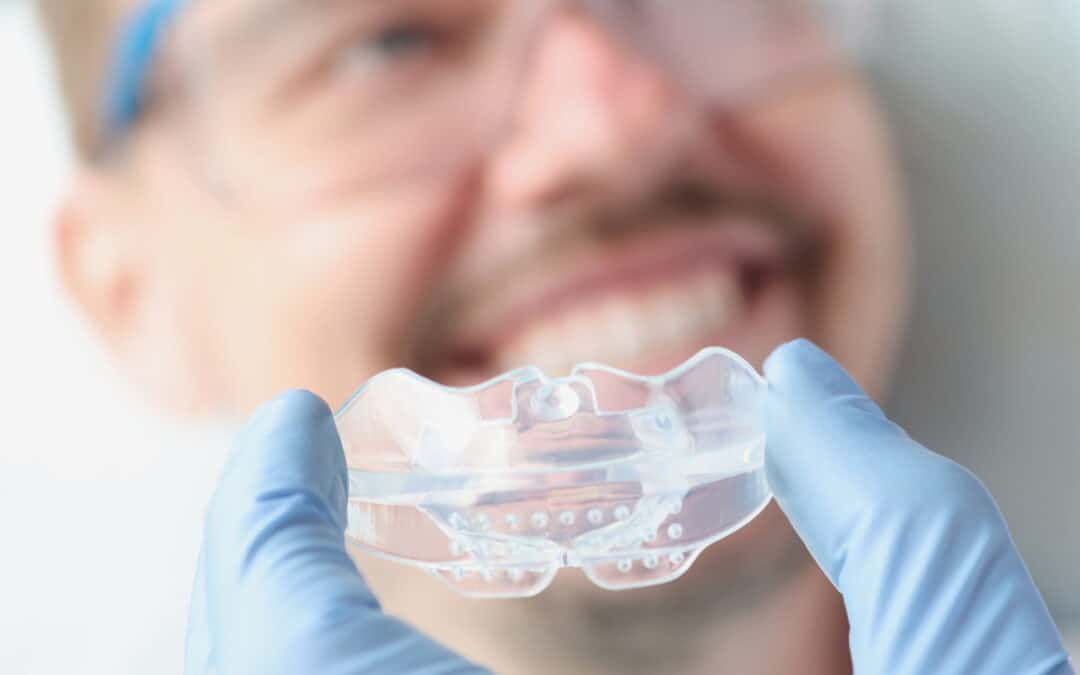
A night guard for teeth grinding is a dental appliance worn while you sleep to protect your teeth from bruxism, which is the habit of grinding or clenching your teeth. A night guard does not always stop the grinding habit itself, but it creates a protective barrier between the upper and lower teeth so grinding forces are less likely to wear enamel, crack teeth, damage dental work, or strain the jaw.
If you wake up with a sore jaw, dull headaches, tooth sensitivity, chipped teeth, worn enamel, or facial tension, you may be grinding your teeth at night without realizing it. Many people with sleep bruxism do not know they grind until a partner hears it or a dentist notices wear patterns during an exam.
At Vaksman Dental Group in South San Francisco, a custom night guard can be made to fit your bite precisely. Compared with many over-the-counter night guards, a dentist-made appliance is usually more comfortable, more durable, and better suited for long-term tooth protection.
Key Takeaways
- A night guard for teeth grinding helps protect teeth from enamel wear, chips, cracks, sensitivity, and damaged dental work.
- Bruxism often happens during sleep, so many people do not know they grind their teeth.
- Common signs include morning jaw soreness, headaches, tooth sensitivity, worn teeth, cracked teeth, and jaw clicking.
- Custom dentist-made night guards are designed to fit your bite and usually provide better comfort and protection than generic store-bought options.
- Over-the-counter night guards may help short-term, but poor fit can feel bulky, uncomfortable, or affect your bite.
- A night guard protects your teeth, but treating bruxism may also require addressing stress, sleep issues, bite problems, medications, or TMJ symptoms.
- See a dentist if symptoms persist, if you have tooth pain, or if you notice worn, chipped, cracked, or sensitive teeth.
What Is a Night Guard for Teeth Grinding?
A night guard is a removable oral appliance worn over the teeth while sleeping. It helps cushion the force of clenching and grinding by keeping the upper and lower teeth separated.
Night guards may also be called:
- Dental night guard
- Bruxism guard
- Teeth grinding guard
- Occlusal guard
- Bite guard
- Bite splint
- Mouth guard for grinding teeth
The goal is not simply to place plastic between the teeth. The goal is to create a protective, comfortable appliance that fits your bite and reduces damage from nighttime grinding.
What Is Teeth Grinding?
Teeth grinding, also called bruxism, is repetitive clenching, grinding, or gnashing of the teeth. It can happen during the day, but many people grind during sleep without knowing it.
Sleep bruxism may be linked to several factors, including:
- Stress or anxiety
- Sleep disruption
- Snoring or possible sleep apnea
- Bite problems
- Certain medications
- Alcohol or caffeine use
- Smoking or nicotine use
- Jaw muscle tension
- TMJ-related symptoms
- Family history
Because there can be more than one trigger, a night guard is often part of the solution, not the only step.
Signs You May Need a Night Guard
You may need a night guard if you notice signs of teeth grinding or clenching, especially in the morning.
Common symptoms include:
- Sore, tired, or tight jaw when you wake up
- Dull morning headaches
- Pain around the temples
- Tooth sensitivity
- Flattened, worn, or shortened teeth
- Chipped or cracked teeth
- Jaw clicking, popping, or tenderness
- Facial muscle soreness
- Neck or shoulder tension
- Tooth pain without an obvious cavity
- Damaged fillings, crowns, veneers, or bonding
- A partner hears grinding at night
- Indentations on the tongue or cheek
- Trouble opening the mouth comfortably in the morning
If several of these sound familiar, schedule a dental exam. A dentist can look for wear patterns, enamel loss, bite pressure, cracked teeth, and signs of TMJ strain.
Quick Answer: Do You Need a Night Guard?
You may need a night guard if you grind or clench your teeth at night, wake up with jaw pain or headaches, or have worn, chipped, cracked, or sensitive teeth. A dentist can confirm whether your symptoms are related to bruxism and recommend the right type of appliance.
A night guard may be especially helpful if you have:
- Visible tooth wear
- Chipped teeth
- Cracked teeth
- Frequent jaw soreness
- Morning headaches
- Tooth sensitivity
- TMJ discomfort
- Dental work that keeps breaking
- Grinding sounds during sleep
- A history of clenching under stress
What Damage Can Teeth Grinding Cause?
Occasional grinding may not cause serious harm, but frequent or forceful bruxism can create long-term problems.
Untreated teeth grinding may lead to:
- Worn enamel
- Tooth sensitivity
- Flattened or shortened teeth
- Chipped teeth
- Cracked teeth
- Loose or damaged fillings
- Broken crowns or veneers
- Gum recession from excessive force
- Jaw pain
- TMJ symptoms
- Headaches
- Facial muscle soreness
- Poor sleep quality
- More expensive dental treatment later
Once enamel is worn away, it does not grow back. That is why early diagnosis and protection matter.
How a Night Guard Helps with Teeth Grinding
A night guard helps by creating a protective layer between the upper and lower teeth. When you clench or grind, the guard absorbs and distributes force instead of allowing tooth-on-tooth contact.
A night guard may help:
- Protect enamel from wear
- Reduce the risk of chipped or cracked teeth
- Protect fillings, crowns, veneers, and bonding
- Reduce pressure on teeth
- Reduce jaw strain in some patients
- Improve morning comfort
- Limit damage while other bruxism triggers are addressed
A night guard does not cure bruxism by itself. If stress, sleep apnea, medications, bite problems, or TMJ issues are contributing, those factors may also need attention.
Custom Night Guard vs. Over-the-Counter Night Guard
| Option | Fit | Durability | Protection | Best For |
| Custom dentist-made night guard | Molded to your exact bite | Often lasts years with proper care | Strong, even, full-coverage protection | Long-term grinding, clenching, tooth wear, TMJ-related symptoms |
| Boil-and-bite night guard | Approximate fit | Often shorter lifespan | Moderate protection | Temporary use or mild grinding |
| Stock one-size night guard | Generic fit | Short lifespan | Minimal protection | Short-term emergency use only |
| Online custom night guard kit | Impression taken at home | Varies by provider/material | Better than generic if made well | Patients seeking a remote option, but without in-office bite evaluation |
For many patients, a custom night guard from a dentist is the best long-term option because it is designed from a digital scan or impression of your teeth and checked against your bite.
Why a Custom Night Guard Is Usually Better
A custom night guard is made specifically for your mouth. This can make it more comfortable, secure, and protective than a generic store-bought guard.
Benefits of a custom night guard may include:
- Better fit
- Less bulky feel
- More even bite contact
- Better durability
- Reduced risk of shifting during sleep
- Better protection for crowns, veneers, fillings, or implants
- Better comfort for long-term use
- Dentist monitoring of wear and bite changes
A poorly fitting guard can feel uncomfortable, fall out, irritate the gums, increase jaw discomfort, or fail to protect the teeth evenly.
Types of Night Guards for Teeth Grinding
Different patients need different levels of protection. The right type depends on grinding severity, bite, comfort needs, restorations, and jaw symptoms.
Soft Night Guard
A soft night guard may be recommended for mild grinding or clenching. It can feel comfortable, but it may wear faster and may not be strong enough for heavy grinders.
Hard Night Guard
A hard night guard is usually more durable and may be recommended for moderate to severe grinding. It can provide stronger protection against heavy bite forces.
Hybrid or Dual-Laminate Night Guard
A hybrid night guard has a softer inner layer for comfort and a harder outer layer for durability. It may be recommended when patients need both comfort and stronger protection.
Upper vs. Lower Night Guard
Night guards can be made for the upper or lower teeth. The best choice depends on your bite, comfort, missing teeth, restorations, and grinding pattern. Your dentist can recommend the better option after an exam.
Night Guard for Teeth Grinding vs. Sports Mouth Guard
A night guard and a sports mouth guard are not the same.
A night guard for teeth grinding is designed for sleep bruxism and clenching. It is made to handle repeated grinding forces and protect the teeth overnight.
A sports mouth guard is designed to protect the teeth, lips, and mouth from impact during sports or physical activity.
Do not use a sports mouth guard as a long-term night guard unless your dentist specifically recommends it. Sports guards are often bulkier and may not provide the right bite protection for sleep grinding.
How Much Does a Night Guard Cost?
The cost of a night guard depends on whether it is store-bought, ordered online, or made by a dentist.
General cost ranges:
| Night Guard Type | Typical Cost Range | Notes |
| Stock OTC night guard | $10–$40 | Generic fit, short-term use |
| Boil-and-bite night guard | $15–$100 | Molded at home, variable comfort |
| Online custom night guard kit | $100–$250+ | At-home impression, no in-office bite evaluation |
| Dentist-made custom night guard | $300–$800+ | Custom fit, bite evaluation, professional adjustment |
These are general educational ranges, not a guaranteed quote. Your actual cost depends on provider, material, insurance, bite complexity, and whether other dental treatment is needed first.
Does Insurance Cover a Night Guard?
Dental insurance may cover part of a custom night guard if it is considered medically necessary for bruxism, tooth wear, or TMJ-related symptoms. Coverage varies by plan.
Before treatment, ask your dental office to check:
- Whether occlusal guards are covered
- Whether preauthorization is required
- Your deductible
- Your annual maximum
- Replacement frequency limits
- Whether TMJ-related appliances are covered differently
Even when insurance does not cover the full cost, financing or payment options may help make treatment more manageable.
Is a Night Guard Worth It?
A night guard may be worth it if you grind or clench your teeth regularly. The cost of a custom guard is often less than the cost of repairing cracked teeth, replacing damaged crowns, treating severe enamel wear, or managing preventable dental damage.
A custom night guard may be especially worth it if you:
- Already have worn teeth
- Have cracked or chipped teeth
- Wake up with jaw soreness or headaches
- Have crowns, veneers, implants, or fillings to protect
- Grind heavily at night
- Have TMJ discomfort
- Keep breaking dental work
- Want a more comfortable long-term solution than an OTC guard
Can a Night Guard Stop Teeth Grinding?
A night guard does not usually stop the grinding habit itself. Instead, it protects your teeth from the damage caused by grinding and may help reduce pressure on the jaw.
To reduce bruxism, your dentist may also recommend:
- Stress management
- Better sleep hygiene
- Reducing alcohol or caffeine near bedtime
- Checking for sleep apnea symptoms
- Reviewing medications with your physician when appropriate
- Treating bite problems
- TMJ evaluation
- Physical therapy or jaw exercises when appropriate
- Replacing damaged dental work
- A custom appliance designed for your bite
When Store-Bought Night Guards May Not Be Enough
A store-bought night guard may seem convenient, especially because the SERP shows many product options. However, OTC guards are not always the right solution for long-term grinding.
A store-bought guard may not be enough if you have:
- Heavy grinding
- Jaw pain
- TMJ symptoms
- Cracked teeth
- Worn enamel
- Crowns, veneers, bridges, or implants
- Missing teeth
- A deep bite or uneven bite
- A guard that falls out during sleep
- A guard that causes more soreness
- One-sided chewing pain
- Symptoms that do not improve
If an OTC guard feels bulky, changes your bite, or makes your jaw feel worse, stop using it and ask a dentist for guidance.
What Happens During a Custom Night Guard Appointment?
The process is usually simple and non-invasive.
A custom night guard appointment may include:
- Dental exam to check for tooth wear, cracks, bite issues, and gum health
- Discussion of symptoms such as headaches, jaw soreness, or sensitivity
- Digital scan or impression of your teeth
- Bite evaluation
- Fabrication of the night guard
- Fitting and adjustment
- Instructions for use and cleaning
- Follow-up if the guard needs adjustment
The goal is to create a guard that feels stable, comfortable, and protective.
How to Care for a Night Guard
Good care keeps your night guard clean, fresh, and functional.
To care for your night guard:
- Rinse it after each use.
- Brush it gently with a soft toothbrush.
- Avoid hot water, which can warp the material.
- Let it dry before storing it.
- Store it in a ventilated case.
- Keep it away from pets.
- Avoid chewing on it during the day.
- Bring it to dental checkups so your dentist can inspect the fit and wear.
- Replace it when it becomes thin, cracked, loose, or distorted.
Ask your dentist which cleaning products are safe for your specific guard material.
How Long Does a Night Guard Last?
A custom night guard may last several years with proper care, but lifespan depends on grinding intensity, material, cleaning habits, and how often it is worn.
You may need a replacement if the guard:
- Becomes cracked
- Feels loose
- Has holes or thin spots
- No longer fits after dental work
- Starts causing discomfort
- Looks warped
- No longer protects evenly
Heavy grinders may wear through guards faster than mild grinders.
Can You Wear a Night Guard with Crowns, Veneers, Implants, or Braces?
A custom night guard can often be designed to protect crowns, veneers, fillings, bridges, or implants. In fact, a dentist may recommend a guard to protect new cosmetic or restorative work from grinding forces.
If you have braces or clear aligners, do not use a standard night guard unless your dentist or orthodontic provider approves it. Your treatment plan may require a different appliance.
Night Guard for Teeth Grinding in South San Francisco
If you are searching for a night guard for teeth grinding in South San Francisco, Vaksman Dental Group can evaluate your teeth, bite, jaw symptoms, and grinding signs before recommending a custom dental mouth guard.
Vaksman Dental Group is located at:
1241 Mission Road
South San Francisco, CA 94080
The office serves patients in South San Francisco and nearby Peninsula communities, including San Bruno, Daly City, Brisbane, Colma, Pacifica, Millbrae, and Burlingame.
A custom night guard may be recommended if you have worn teeth, jaw soreness, headaches, sensitive teeth, cracked enamel, or damaged dental work related to grinding.
Frequently Asked Questions
What is the best night guard for teeth grinding?
The best night guard for teeth grinding is usually a custom dentist-made guard because it is designed to fit your bite, protect your teeth evenly, and last longer than many generic store-bought guards. Mild cases may use OTC guards temporarily, but persistent grinding should be evaluated by a dentist.
How do I know if I need a night guard?
You may need a night guard if you wake up with jaw soreness, morning headaches, tooth sensitivity, worn teeth, chipped teeth, cracked teeth, or jaw clicking. A dentist can confirm signs of grinding by checking your bite and tooth wear.
Does a night guard stop teeth grinding?
A night guard usually does not stop the grinding habit itself. It protects your teeth from grinding damage and may reduce strain on the jaw. Reducing bruxism may also require managing stress, sleep problems, bite issues, or other contributing factors.
Is a custom night guard worth it?
A custom night guard is often worth it for patients with ongoing teeth grinding because it fits better, lasts longer, and protects more evenly than generic options. It can also help prevent costly dental damage from worn enamel, cracked teeth, or broken restorations.
Can I use a sports mouth guard for teeth grinding?
A sports mouth guard is not designed for long-term sleep grinding. It may be too bulky and may not protect your bite correctly overnight. A night guard made for bruxism is usually a better choice.
What is the difference between a night guard and a mouth guard?
A night guard is a type of mouth guard made for sleep grinding or clenching. A sports mouth guard is made to protect against impact during sports. The design, fit, thickness, and purpose are different.
How much does a night guard cost?
A store-bought night guard may cost about $10–$100, while a dentist-made custom night guard may cost about $300–$800 or more. Cost depends on material, provider, bite complexity, insurance, and whether adjustments are needed.
Does insurance cover a night guard?
Some dental insurance plans cover part of a custom night guard when it is medically necessary for bruxism, tooth wear, or TMJ symptoms. Coverage varies, so your dental office should verify benefits before treatment.
Can a night guard make teeth grinding worse?
A poorly fitting guard may feel uncomfortable, change how your teeth meet, or increase jaw soreness. If a guard makes symptoms worse, stop using it and ask a dentist to evaluate the fit.
How long does a night guard last?
A custom night guard may last several years with proper care, but heavy grinding can wear it down sooner. Replace it if it cracks, becomes loose, develops holes, or no longer feels comfortable.
Should I wear a night guard every night?
If your dentist recommends a night guard for sleep bruxism, you should usually wear it consistently at night. Consistent use helps protect teeth from ongoing grinding damage.
Can a night guard help with jaw pain?
A night guard may help reduce jaw strain in some patients by protecting the teeth and distributing bite forces. Jaw pain can have several causes, so persistent TMJ symptoms should be evaluated by a dentist.
Medical Disclaimer
This article is for educational purposes only and does not replace a dental diagnosis or personalized treatment plan. Teeth grinding, jaw pain, and tooth wear can have multiple causes. A dentist can evaluate your teeth, bite, jaw joints, and symptoms to recommend the right treatment.
Related reading and services: MouthHealthy · TMJ/TMD symptoms · custom night guard from your dentist · mouthguards