
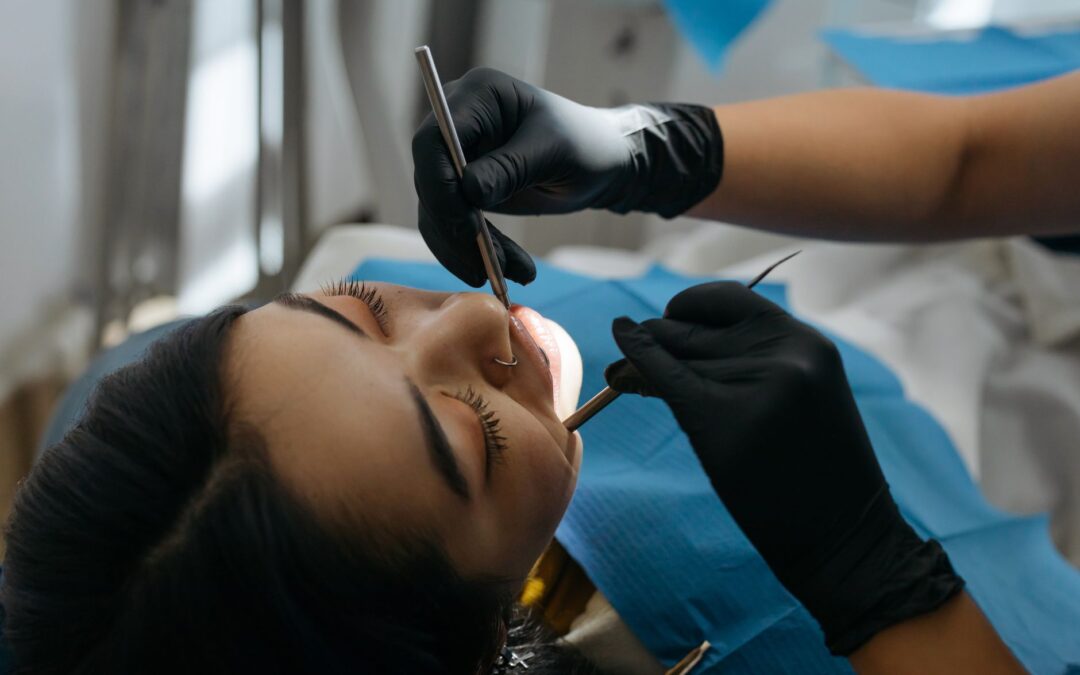
Yes, grinded-down teeth can be repaired — and there are several good options depending on how much structure is left. The right fix depends on the severity of the wear, which teeth are affected, and whether the grinding itself has been brought under control first.
- Grinding (bruxism) wears away enamel over time, but the damage can be rebuilt with bonding, veneers, crowns, or a combination of treatments.
- The first step is almost always protecting the remaining teeth before any cosmetic repair begins — usually with a night guard.
- Mild-to-moderate wear is often fixed with tooth-colored composite bonding; severe wear may need crowns or a full-bite rehabilitation.
- Left untreated, ground-down teeth become sensitive, fracture more easily, and can eventually require more invasive (and expensive) treatment.
- A dentist needs to look at your bite, not just individual teeth, to make sure any repair lasts.
What Does Grinding Actually Do to Your Teeth?
Bruxism — the clinical term for grinding or clenching — is surprisingly common. The National Institute of Dental and Craniofacial Research notes that jaw-muscle disorders and parafunctional habits like bruxism affect millions of adults, with many people unaware they grind at night until a dentist spots the damage.
Here’s what’s actually happening when you grind: the back-and-forth or clenching motion applies forces that can exceed 200 pounds per square inch — far more than normal chewing. Enamel, the hardest substance in the body, does not regenerate once it’s gone. So every night of grinding chips away at a resource that cannot grow back on its own.
The damage tends to show up in a predictable pattern:
- Flattened biting edges. Front teeth lose their natural scalloped shape. They look shorter and more uniform — like they’ve been filed down.
- Chipped or notched cusps. Back molars and premolars develop small chips or flattened peaks where the cusps used to be.
- Sensitivity. As enamel thins, the dentin underneath becomes exposed. Dentin contains microscopic tubules that connect to the nerve — which is why hot, cold, or sweet foods start to sting.
- Cracks. Repeated stress creates micro-fractures that can deepen over time, occasionally splitting a tooth badly enough to require extraction.
- Changes in bite feel. Patients often describe a sense that their teeth “don’t fit together right” or that jaw muscles ache in the morning.
How Do Dentists Assess the Damage?
Before recommending any repair, your dentist needs to understand the full picture. At our South San Francisco office, this typically involves a careful look at how your teeth come together — your occlusion — not just the visible wear on individual teeth.
Several things get evaluated:
- Severity of wear. Wear is usually graded on a simple scale. Mild means the enamel is thinning but the tooth shape is basically intact. Moderate means some dentin exposure and visible flattening. Severe means significant structure loss, often with sensitivity and changed tooth height.
- Which teeth are affected. Front-tooth wear often has a different repair approach than back-molar wear.
- Vertical dimension. If years of grinding have shortened teeth enough, rebuilding them isn’t just cosmetic — it’s about restoring the proper jaw position. Opening the bite slightly (called “raising the vertical dimension”) is a key part of major rehabilitation cases.
- Whether active grinding is controlled. If you’re still grinding nightly and nothing is done about it, any repair is fighting a losing battle. A night guard comes before the restorative work — not after.
- X-ray findings. Digital X-rays help confirm root health and bone levels, especially around teeth that have taken the most stress.
What Are the Actual Repair Options?
There’s no single right answer — the appropriate repair depends on the person. Here’s how dentists typically think through it:
Composite Bonding (Mild to Moderate Wear)
For teeth that have lost shape but still have a reasonable amount of healthy structure left, tooth-colored composite resin is often the most conservative and cost-effective fix. A dentist sculpts the material directly onto the worn edges or surfaces, restores the shape, and polishes it to blend naturally.
The advantages: no drilling away healthy tooth structure, completed in one appointment, and much lower cost than crowns. The trade-off: composite is softer than enamel and can chip or wear again — especially if grinding isn’t fully controlled. For mild wear, bonding can last five to ten years with good care. It’s also the easiest to repair if it does chip.
Porcelain Veneers (Front Teeth, Moderate Wear)
When front teeth have worn significantly but aren’t structurally compromised, thin porcelain veneers can restore both appearance and function. Porcelain is harder than composite and resists staining well. The catch: placing veneers on an active grinder without a solid night-guard habit first is a recipe for cracked veneers. Patients who’ve gotten grinding under control and who have enough remaining tooth structure are better candidates.
National average costs for porcelain veneers run roughly $1,000 to $2,500 per tooth — these are not our office’s prices, just a general ballpark. Learn more about dental veneers at Vaksman Dental Group if this sounds like it might fit your situation.
Dental Crowns (Moderate to Severe Wear)
When a tooth has lost so much structure that bonding or a veneer can’t reliably hold — or when the tooth has fractured — a crown covers the entire visible surface and takes over the structural job the remaining tooth can’t fully do on its own.
Modern ceramic crowns (including zirconia options) are strong, natural-looking, and well-suited to grinding patients because zirconia in particular is very hard to crack. At our office, we use CEREC CAD/CAM technology to mill ceramic crowns on-site, which means patients often get their permanent crown in a single visit — no temporary crown, no second appointment. That’s a meaningful convenience for people who’ve already been putting off treatment.
National ballpark for a crown ranges from about $1,000 to $1,800 per tooth depending on material and location — again, not our pricing, just general reference. You can explore dental crowns in South San Francisco for more specifics.
Full-Mouth Rehabilitation (Severe, Widespread Wear)
For patients who’ve ground their teeth down over many years and now have significant bite changes, sensitivity across most of their teeth, and altered facial proportions (the lower face can actually “collapse” slightly when teeth are severely shortened), the solution is a coordinated plan that addresses the entire bite at once.
Full-mouth rehab typically combines crowns, onlays, and sometimes implants to restore proper tooth height across all four quadrants in a planned sequence. It’s the most involved — and most costly — approach, but for the right patient it’s genuinely transformative. The American Dental Association emphasizes that managing the underlying bruxism habit is a critical part of long-term success for any major rehabilitation.
Does the Night Guard Come Before or After the Repair?
Almost always before — or at minimum, simultaneously. Repairing a tooth without addressing the grinding is like patching a roof without fixing the leak. The repair may hold for a while, but the same forces that damaged your natural enamel will go to work on the restoration.
A properly fitted custom night guard (not a boil-and-bite version from a drugstore) distributes grinding forces evenly across all teeth and prevents the kind of concentrated pressure that chips restorations. At our office, night guards are one of the most important tools in protecting both natural teeth and any work that’s been done. If you’re not sure whether you’re grinding, the wear patterns our dentists look for during a routine exam are often the first clue — patients frequently have no idea until we show them what we’re seeing. You can read more on our dental mouth guard page.
How Long Does a Repair Last?
With well-controlled bruxism and good home care, here’s a general sense of longevity by restoration type:
| Restoration | Typical Lifespan | Best Suited For |
|---|---|---|
| Composite bonding | 5–10 years | Mild to moderate wear, budget-conscious patients |
| Porcelain veneers | 10–15 years | Front teeth, moderate wear, controlled grinding |
| Ceramic/zirconia crown | 15–25+ years | Moderate to severe wear, back teeth, fractured teeth |
| Full-mouth rehabilitation | Varies by component | Severe widespread wear with bite changes |
These are general ranges, not guarantees. A night guard habit, regular cleaning appointments, and avoiding hard habits like ice chewing all extend the life of any restoration significantly.
What If I Wait?
Waiting is one of the more common patterns we see — people know something is wrong but don’t think it’s urgent enough yet. The problem is that worn enamel exposes softer dentin, which wears even faster. A tooth that needs a straightforward bonding repair today may need a crown in two years if the grinding continues unchecked. And a cracked tooth that could have been crowned can split below the gum line and require extraction.
Getting an evaluation sooner is almost always the more conservative and less expensive path in the long run.
Frequently Asked Questions
Can you repair teeth that have been worn down by grinding?
Yes. Depending on how much tooth structure remains, worn teeth can be repaired with composite bonding, porcelain veneers, crowns, or a combination. Your dentist will assess the severity of wear and your bite to recommend the right approach for your situation.
Is bonding or a crown better for ground-down teeth?
It depends on the level of damage. Bonding works well for mild to moderate wear where healthy tooth structure is still present — it’s conservative and can be done in one visit. A crown is better when a tooth has lost substantial structure, has fractured, or when long-term durability is the priority. Many patients with moderate wear end up with bonding on some teeth and crowns on others.
Will my insurance cover repairs from grinding?
Coverage varies by plan. Many dental insurance plans consider grinding-related damage to be partly restorative and partly related to a pre-existing condition. A night guard may or may not be covered depending on your specific plan. It’s worth asking our front desk team to check your benefits before treatment — we can often give you a sense of what to expect.
Do I need to stop grinding before getting my teeth fixed?
Not necessarily stop — grinding can be difficult to eliminate entirely — but it needs to be managed. A custom night guard is usually the first step, and it should be in regular use before and after any restorative work. Without some level of control, restorations are at much higher risk of chipping or failing prematurely.
Schedule an Exam at Vaksman Dental Group
Serving South San Francisco, San Bruno, Daly City, Brisbane, and surrounding Peninsula communities. Call us at (650) 588-3710.
Written by the Vaksman Dental Group team and medically reviewed by Dr. Irena Vaksman, DDS — South San Francisco. Last reviewed October 2026.