Key Takeaways
- Dentures are removable replacements for missing teeth. Full dentures replace a whole arch, while partial dentures fill in the gaps when some natural teeth remain.
- Modern dentures are custom-made to fit your mouth, so they can look natural and help you chew and speak more comfortably.
- Getting used to new dentures often takes a few weeks, and small adjustments are a normal part of the process.
- National costs vary widely by type and material; we review your options and any insurance coverage before treatment begins.
- Daily cleaning and regular checkups help your dentures and gums stay healthy for years.
Missing several or all of your teeth affects how you eat, speak, and feel. At Vaksman Dental Group in South San Francisco, our dentists craft custom full and partial dentures that fit comfortably, look natural, and help you get back to living. Whether you need a single arch replaced or a partial that works around your remaining teeth, we tailor each set to your smile, your bite, and your goals.
What Are Dentures?
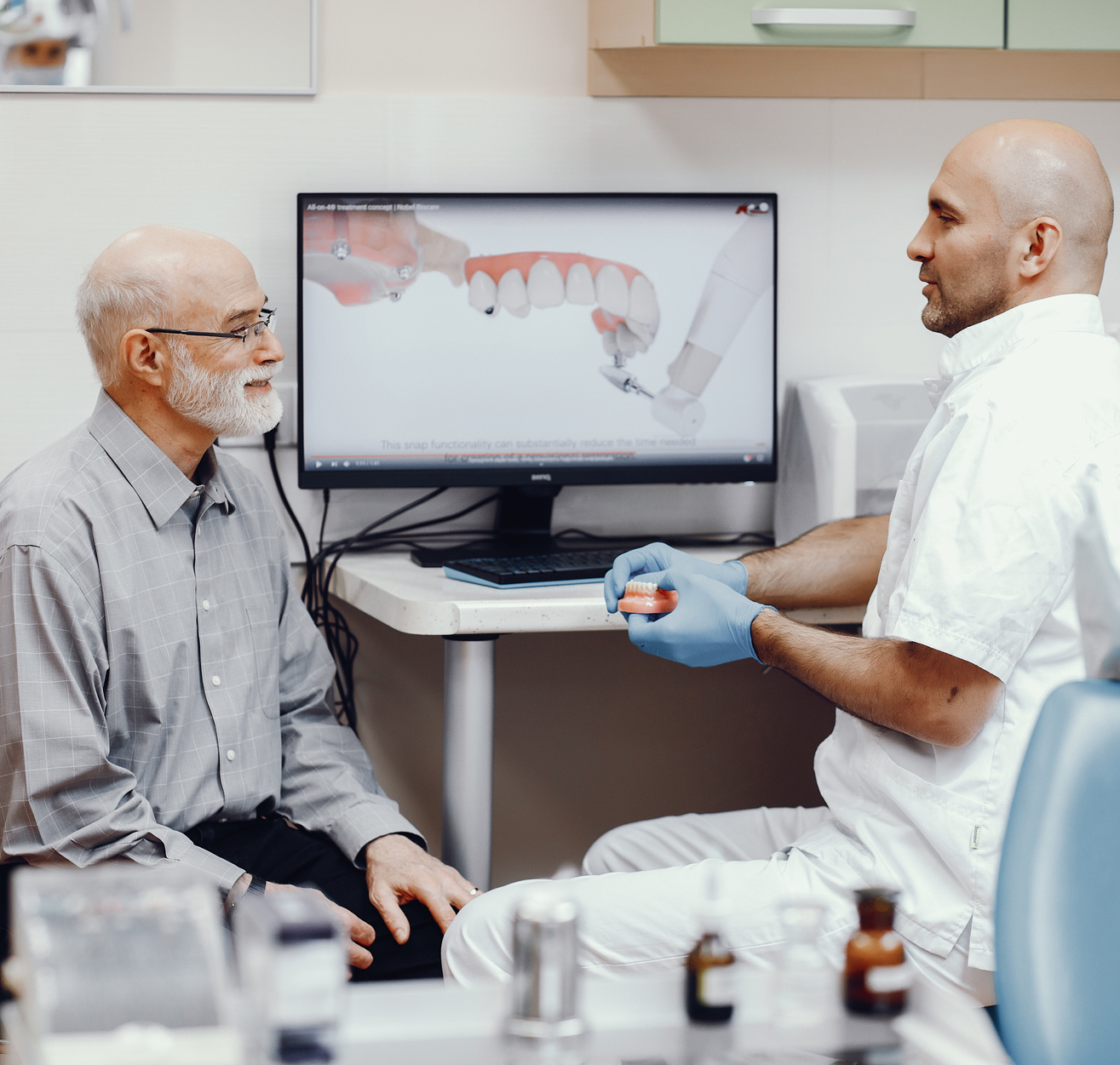
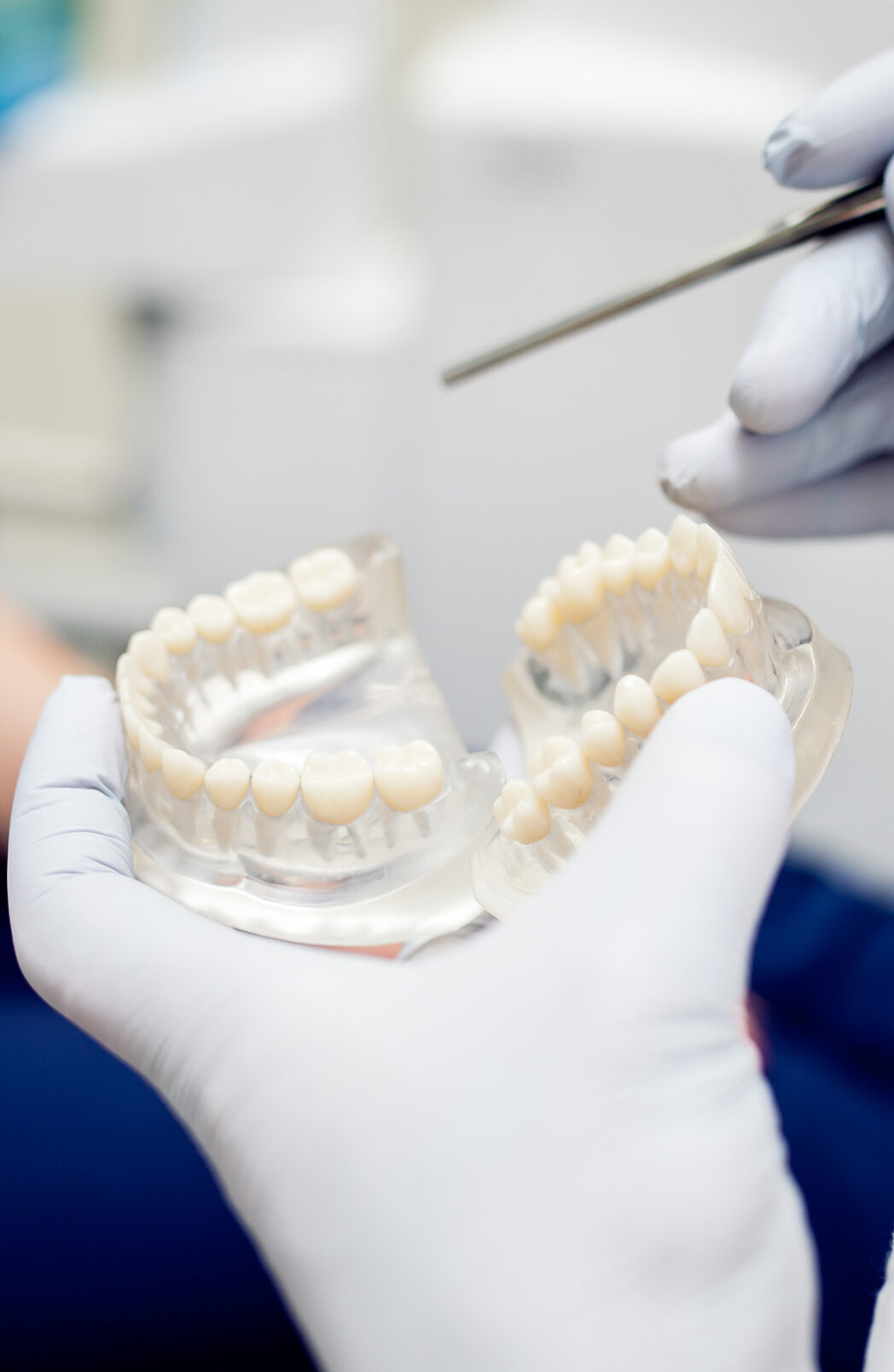
Dentures are removable dental appliances that replace missing teeth and the tissue around them. They are made from a tooth-colored base that rests on your gums, with artificial teeth set into it. There are two main types:
- Full (complete) dentures replace all the teeth on the upper arch, the lower arch, or both. They rely on a snug fit against your gums and, on the upper jaw, gentle suction.
- Partial dentures fill in one or more gaps when you still have some healthy natural teeth. They often clasp onto nearby teeth to stay in place and keep the others from shifting.
For a deeper overview of how dentures work, the American Dental Association’s consumer site MouthHealthy is a helpful, trustworthy resource.
Who Can Benefit from Dentures?
Dentures may be a good fit if you have lost several teeth or a full arch to decay, gum disease, or injury. People across South San Francisco, San Bruno, Daly City, and the wider Peninsula choose dentures because they are a time-tested, non-surgical way to restore a complete smile.
You might consider dentures if you:
- Are missing most or all of your teeth in one or both jaws
- Want a removable, often more budget-friendly option than implants or fixed bridges
- Have a few missing teeth and want to keep your remaining ones from drifting
- Are looking to improve chewing, speech, and the support dentures can give your facial appearance
During your visit, our dental team reviews your gums, any remaining teeth, and your overall health to help you choose the option that fits best. If you are still deciding between tooth-replacement paths, a thorough dental exam is the right place to start.
How the Process Works
Getting dentures usually takes several appointments over a few weeks, because precise fit matters. Here is what you can typically expect:
- Consultation and exam. Your dentist examines your mouth, takes images or impressions, and talks through full versus partial options.
- Impressions and measurements. We capture the exact shape of your gums and bite so your dentures are built specifically for you.
- Try-in. A preview set lets you and your dentist check the look, fit, and bite before the final dentures are made.
- Delivery and adjustments. We place your finished dentures and fine-tune them. A few follow-up tweaks are common and completely normal as your mouth settles.
If teeth need to be removed first, you may receive immediate dentures so you are not without teeth while you heal, followed by a final set or a reline once your gums have fully recovered.
Benefits of Custom Dentures
Well-fitted dentures can do more than fill a gap. Many of our patients find that dentures help them:
- Chew a wider range of foods more comfortably
- Speak more clearly than they could with missing teeth
- Support the cheeks and lips for a fuller, more natural look
- Feel more confident when they smile and talk with others
Because every set is custom-made, the goal is a comfortable, natural-looking fit rather than a one-size-fits-all appliance.
What Dentures Typically Cost
Denture costs depend on the type, the materials, and whether any extractions or relines are needed. As a national reference (these are general figures, not our office’s prices), a basic full denture for one arch often runs from roughly $600 to $1,500, while premium or custom dentures can range from about $1,500 to $4,000 per arch. Partial dentures commonly fall between roughly $700 and $2,500. Dental insurance frequently covers part of the cost.
We give you a clear, personalized estimate and review your benefits before any treatment begins, so there are no surprises.
Caring for Your Dentures
Good daily care keeps your dentures comfortable and your mouth healthy. We recommend that you:
- Rinse dentures after eating and brush them daily with a soft brush and a non-abrasive denture cleaner
- Handle them over a folded towel or a sink of water so they do not break if dropped
- Soak them overnight in water or a denture solution to keep them moist
- Still brush your gums, tongue, and any remaining teeth each day
- Keep regular checkups so we can examine your fit, your gums, and your dentures over time
Over the years, gums change shape, so dentures may need a reline or replacement to stay comfortable. The American Dental Association also offers general guidance on caring for removable appliances.
Exploring Your Tooth-Replacement Options
Dentures are one of several ways to replace missing teeth. For a more stable, permanent option, dental implants can anchor replacement teeth directly to the jaw, and implants can even secure an implant-supported denture. If you are missing just a few teeth in a row, a fixed dental bridge may also be worth discussing. Our dentists will help you weigh comfort, longevity, and budget.
Frequently Asked Questions
Do dentures hurt?
New dentures may feel bulky or cause minor soreness at first while your mouth adjusts, which often takes a few weeks. We make adjustments so your dentures fit more comfortably. Ongoing pain is not normal, so let us know if any spot keeps bothering you.
How long do dentures last?
With good care, dentures often last several years. Because your gums and jaw can change shape over time, dentures may need a reline or replacement to keep fitting well. Regular checkups help us catch fit issues early.
Can I eat normally with dentures?
Many people can eat a wide range of foods once they adjust. We suggest starting with softer foods cut into small pieces, then gradually adding more as you get comfortable. Very hard or sticky foods can be harder to manage and are best approached with care.
What is the difference between full and partial dentures?
Full dentures replace all the teeth in an arch and rest on the gums, while partial dentures fill in gaps when you still have some natural teeth and usually attach to those remaining teeth. Your dentist will recommend the right type based on how many teeth are missing and the health of your gums and remaining teeth.
Written by the Vaksman Dental Group team and medically reviewed by Dr. Irena Vaksman, DDS, South San Francisco.