
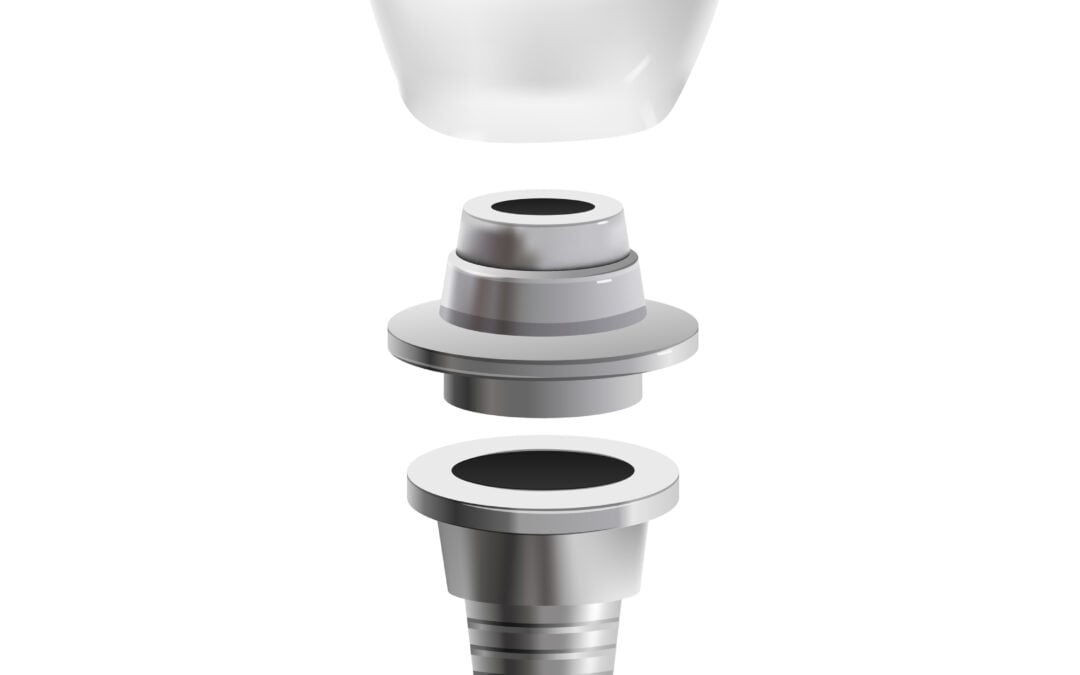
A dental crown is a tooth-shaped cap that fits over a damaged, weakened, or restored tooth to bring it back to full shape, strength, and function. If your dentist has recommended one, you probably have questions ranging from “does it hurt?” to “how much will this cost me?” Here are the seven things patients at our South San Francisco office ask most often, answered plainly.
1. What exactly does a dental crown do?
Think of a crown as a protective helmet for a tooth. It covers the entire visible portion (everything above the gumline) and holds everything together when the underlying tooth structure is too compromised to survive on its own.
Common reasons our dental team recommends a crown:
- A tooth cracked or fractured, especially after years of grinding
- A cavity so large that a standard filling would leave too little healthy tooth behind
- After a root canal, which can leave the tooth brittle
- To cap a dental implant
- To anchor a dental bridge
- To restore a badly worn tooth
Crowns are not cosmetic in the traditional sense (they do not whiten teeth), but a well-made ceramic crown looks completely natural alongside your other teeth.
2. What materials are crowns made from?
The short answer: porcelain, zirconia, metal, or a combination. Each has trade-offs.
- All-ceramic / porcelain: Excellent aesthetics, great for front teeth. Matches tooth color closely. Can be slightly less fracture-resistant than metal on heavily loaded back teeth.
- Zirconia: The current workhorse in most modern practices. Very strong, tooth-colored, biocompatible, and increasingly lifelike in appearance. Popular for both front and back teeth.
- Porcelain-fused-to-metal (PFM): A ceramic outer layer bonded to a metal core. Strong and aesthetic, but the metal margin can sometimes show as a dark line near the gumline over time.
- Full gold / metal alloy: The most durable option with the least tooth removal required. Still preferred by some dentists for back molars, though less popular cosmetically.
Your dentist will help you choose based on the tooth’s location, bite forces, and your aesthetic goals.
3. How much does a dental crown cost?
Nationally, crowns typically range from about $1,000 to $1,800 per tooth without insurance, depending on material and region. All-ceramic and zirconia crowns tend to sit toward the higher end; metal crowns are usually lower. These are national ballpark figures, not our office’s prices.
A few things that affect your total cost:
- Whether a root canal or build-up is needed first
- The material chosen
- Your dental insurance plan (many plans cover 50% of crown costs after the deductible, though annual maximums apply)
- Whether the crown is fabricated in-office or sent to an outside lab
Speaking of in-office fabrication: at Vaksman Dental Group, we use CEREC technology, which mills ceramic crowns right here in our South San Francisco office using CAD/CAM. That often means one appointment instead of two, no temporaries, and no waiting a week or two for a lab to return your crown. It is a genuinely different experience from the traditional two-visit process.
4. What happens during the crown procedure?
The traditional process involves two visits. In the first, your dentist numbs the area, shapes the tooth (removes a thin layer of enamel so the crown fits without feeling bulky), takes an impression, and fits you with a temporary crown. In the second visit, a few weeks later, the permanent crown comes in from the lab and gets cemented.
With same-visit CEREC crowns, the steps compress into one appointment. The tooth is prepared and scanned digitally (no goopy impression material). The crown is milled in the office while you wait, then bonded the same day. Most patients find the experience far more convenient.
Either way, the area is numbed beforehand, so discomfort during the procedure is minimal for most people. Some tenderness in the days after is normal and usually managed with over-the-counter pain relievers.
5. How long does a crown last?
Research published in the Journal of Dental Research and cited by the ADA’s MouthHealthy resource suggests dental crowns typically last 10 to 15 years on average, and many last significantly longer with good care.
What makes a crown last:
- Brushing twice a day and flossing daily, especially around the crown margin
- Wearing a night guard if you grind your teeth (grinding is one of the top reasons crowns chip or fail early)
- Avoiding using teeth as tools or biting very hard foods like ice
- Regular professional cleanings, where your hygienist checks the crown margin and watches for any new decay underneath
6. Can a crowned tooth still get a cavity?
Yes. This is one of the most common misconceptions our team corrects. The crown itself cannot decay, but the natural tooth root beneath it can. Bacteria sneak under the crown margin (the edge where crown meets tooth) if the seal is compromised or if oral hygiene lapses. This is called recurrent decay, and it is a real reason crowns fail and need to be replaced.
Good brushing habits at the gumline, regular flossing, and keeping your dental exam appointments are the best ways to protect a crowned tooth for the long haul. At our office, X-ray review with Pearl AI (an FDA-cleared AI system) helps our dentists catch early changes around crown margins that can be easy to miss on a quick visual check alone.
7. Is a crown always the right choice, or are there alternatives?
A crown is not always the first or only option. Depending on how much damage there is, your dentist might consider:
- A large filling or onlay/inlay: If the damage is significant but the remaining tooth structure is solid, an onlay (sometimes called a “partial crown”) covers just the damaged cusps rather than the whole tooth.
- A veneer: For front teeth with cosmetic damage but intact structure, a veneer may be less invasive than a full crown.
- Extraction with an implant: If the tooth is beyond saving, an implant-supported crown can replace it entirely.
The right call depends on how much healthy tooth structure remains and what you need the tooth to do. Our dentists will walk through the options with you and explain the reasoning, so you can make a decision that actually makes sense for your situation.
The bottom line
A dental crown is one of the most reliable ways to save a tooth that would otherwise be lost, and modern materials make today’s crowns stronger and more natural-looking than ever. If you’ve been told you need one, or you’re curious whether a crowned tooth is still healthy, the best next step is a conversation with your dental team.
- A crown covers and protects a damaged tooth, restoring its shape, strength, and function.
- Zirconia and all-ceramic crowns are the most common materials today; material choice depends on location and bite load.
- National cost estimates run roughly $1,000 to $1,800 per tooth; insurance often covers a portion.
- CEREC same-day crowns can cut the process to a single appointment with no temporary crown.
- Crowned teeth can still decay at the margin, so regular cleanings and good hygiene still matter.
Frequently Asked Questions
Does getting a dental crown hurt?
The tooth and surrounding area are numbed before preparation, so most patients feel little to no pain during the procedure. Some sensitivity or mild soreness in the days after is normal. If discomfort persists beyond a week or feels severe, contact your dentist, as the bite may need a small adjustment.
How do I know if I need a crown or just a filling?
Roughly, fillings work well when less than about half the tooth surface is affected by decay or damage. When more than half is compromised, or when a tooth is cracked, heavily worn, or post-root canal, a crown typically provides better long-term protection. Your dentist will assess the structural integrity and recommend accordingly.
Can a crown fall off?
It is uncommon, but it can happen, usually if the cement seal breaks down over time, if decay develops underneath, or if the tooth was very short to begin with. If a crown loosens or comes off, see your dentist promptly. Keep the crown clean and dry, and bring it with you to the appointment.
Does dental insurance cover crowns?
Most dental insurance plans classify crowns as a “major” procedure and cover roughly 50% after the deductible, subject to the plan’s annual maximum. Coverage specifics vary widely by plan. Our team can help you review your benefits before treatment so there are no billing surprises.
Ready to find out whether a crown is the right move for your tooth? Our dental team at Vaksman Dental Group is happy to take a look and talk through your options without pressure.
Schedule an Appointment at Vaksman Dental Group
Written by the Vaksman Dental Group team and medically reviewed by Dr. Irena Vaksman, DDS — South San Francisco. Last reviewed August 2026.