
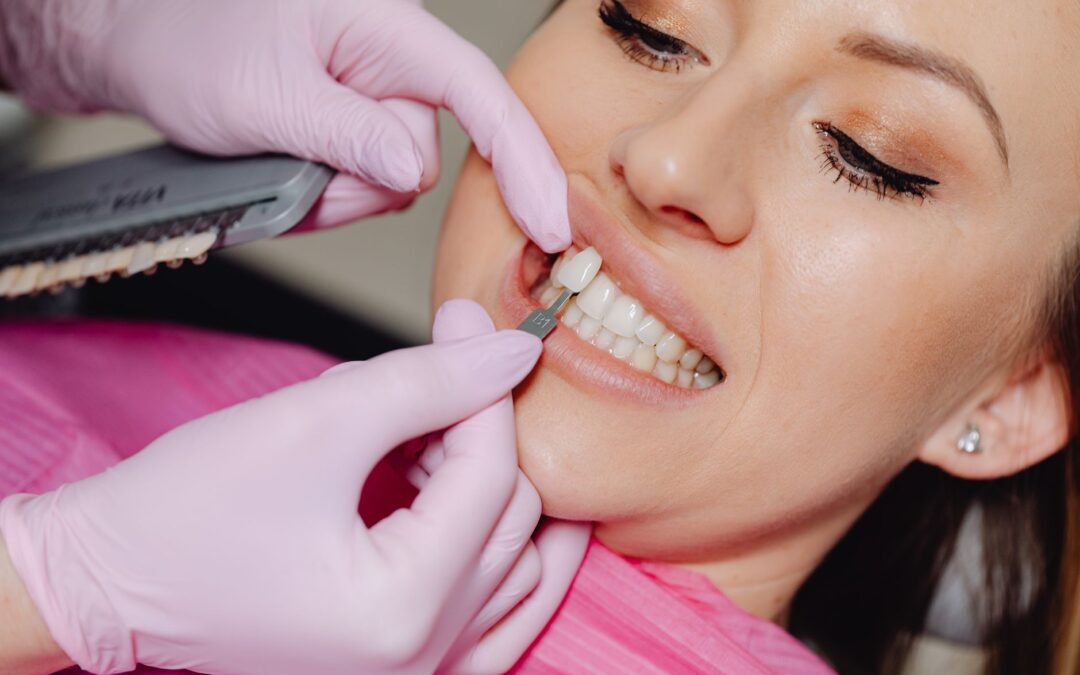
One of the most common questions our dental team hears is some version of this: “I have a missing tooth — does that mean I can’t get veneers?” It’s a fair worry. You’ve seen the stunning veneer results online, you want a better smile, and now you’re not sure if a gap disqualifies you. The short answer: missing teeth don’t automatically rule out veneers, but they do change the plan significantly — and in most cases, restoring the missing tooth first is both smarter and longer-lasting.
Here’s a plain-English breakdown of how veneers, implants, bridges, and bonding interact — and how to figure out which path actually makes sense for your mouth.
The Quick Comparison: Veneers vs. Your Real Options When a Tooth Is Missing
Before diving into the details, this table lays out how the main options stack up when you’re dealing with both missing teeth and a desire for a better-looking smile.
| Option | Replaces the Missing Tooth? | Improves Smile Appearance? | Permanent? | Typical National Cost Range* | Best For |
|---|---|---|---|---|---|
| Veneers alone | No (covers existing teeth only) | Yes, on teeth that are present | Long-term (10–20 yrs with care) | $900–$2,500 per tooth | Patients whose gaps are already closed or not in the veneer zone |
| Dental implant + veneer combo | Yes (implant fills the gap) | Yes, comprehensively | Yes (implant can last decades) | $3,000–$6,000 implant + veneer costs | Most patients wanting a full, lasting smile overhaul |
| Dental bridge + veneers | Yes (bridge spans the gap) | Yes | 10–15 years typically | $2,000–$5,000 for bridge; veneer costs added | Patients who aren’t implant candidates or want a faster fix |
| Composite bonding | Partially (can close small gaps, not true replacement) | Yes, for minor gaps and shape issues | 5–7 years with upkeep | $300–$600 per tooth | Budget-conscious patients with small cosmetic concerns |
| Orthodontics (Invisalign) + veneers | No (but can redistribute spacing) | Yes, especially for size/shape concerns after alignment | Long-term if retainer worn | $3,000–$8,000 for Invisalign + veneer costs | Patients with spacing issues who want alignment before cosmetics |
*National ballpark ranges only — not our office’s prices. Your actual cost depends on how many teeth are involved, materials used, and your specific clinical needs.
What Veneers Actually Do (and Don’t Do)
Porcelain veneers are thin ceramic shells bonded to the front surface of existing teeth. They can change color, shape, length, and texture beautifully. What they cannot do is fill a space where a tooth is missing. There’s simply no tooth structure to bond to.
That’s the core issue. If you have a gap, a veneer cannot span it. A veneer placed on the teeth adjacent to a gap won’t close the gap — it might make those teeth look slightly wider, but it won’t replace the missing tooth, and it can actually draw the eye toward the gap rather than away from it.
So the question isn’t really “veneers or nothing” — it’s “what do I do about the missing tooth first, and then can veneers be part of the picture?”
When Veneers Can Work Even If You’re Missing a Tooth
There are genuinely scenarios where veneers make sense for someone with a missing tooth:
- The missing tooth isn’t in the veneer zone. Most full-smile veneers cover the upper front 6–10 teeth (the ones visible when you smile). If you’re missing a back molar, veneers on your front teeth can still dramatically improve your smile’s appearance — provided the back tooth is addressed separately for bite and health reasons.
- Orthodontics has already closed the gap. Some patients use Invisalign to shift teeth together and close a gap created by a missing tooth. Once that gap is closed, veneers on the remaining teeth can reshape and refine the smile beautifully. This is a legit, well-established sequence.
- The gap is being restored at the same time. A comprehensive smile plan might involve placing a dental implant (or bridge) to replace the missing tooth and placing veneers on the surrounding teeth simultaneously or in close sequence. This is the most thorough approach for patients who want a uniform, cohesive result.
The Case for Restoring the Missing Tooth First
Here’s something dentists see regularly: a patient gets veneers placed, and a year or two later a neighboring tooth shifts because the gap was never filled. Now the veneers don’t line up the way they used to, the bite has changed, and some of those veneers may need to be redone.
Teeth are not static. When a tooth is lost, the surrounding teeth tend to drift toward the gap over time. The opposing teeth (the ones that used to bite against the missing tooth) can over-erupt downward or upward into the empty space. All of this affects your bite, your jaw alignment, and ultimately how any cosmetic work you’ve done holds up.
According to the American Dental Association’s MouthHealthy resource, tooth loss — even of a single tooth — can lead to bone loss in the jaw and shifting of adjacent teeth, making early replacement important for long-term oral health.
The practical takeaway: restoring a missing tooth before (or alongside) veneers protects your investment. It’s not about doing more work for its own sake. It’s about making sure the cosmetic work you pay for actually lasts.
Implants: The Gold Standard for Replacing a Missing Tooth Before Veneers
A dental implant is a titanium post placed into the jawbone that acts as an artificial tooth root. Once it integrates with the bone (a process that takes several months), a crown is placed on top. The result looks, feels, and functions like a natural tooth.
For patients who want veneers on their surrounding teeth, an implant is often the best companion option because:
- It preserves jawbone, preventing the bone loss that accelerates neighboring tooth drift.
- The implant crown can be color-matched to the planned veneer shade, giving a seamless final result.
- It doesn’t require shaving down the adjacent healthy teeth (unlike a traditional bridge).
- With proper care, implants can last decades — so your smile investment has a solid foundation.
The main consideration: implants take time. If the post-placement healing and bone integration period isn’t right for your timeline, a bridge may be a reasonable interim or permanent alternative.
Bridges: A Faster Path, With Trade-offs
A dental bridge spans a gap by anchoring a false tooth (called a pontic) to the two natural teeth on either side of the space. Those anchor teeth are trimmed down and fitted with crowns that hold the bridge in place.
Bridges work well and have a long track record. The trade-offs compared to implants: the anchor teeth lose some natural structure permanently, bridges don’t prevent bone loss under the gap the way an implant does, and they typically need replacement after 10–15 years. If the anchor teeth are otherwise healthy, some patients understandably feel uncomfortable reducing them — and that’s a valid concern worth discussing with your dentist.
When veneers are also part of the plan, the sequencing matters. Your dental team will want to plan the bridge shade and shape to harmonize with the planned veneers so everything looks cohesive rather than patched together.
Composite Bonding: The Lower-Commitment Option
Composite bonding can close small gaps, reshape slightly irregular teeth, and improve color — all without removing tooth structure. It’s significantly less expensive than veneers and is reversible. For patients who are missing a tooth but only have minor cosmetic concerns on the remaining teeth (and aren’t ready for a full veneer treatment), bonding can be a practical, intermediate step.
The catch: bonding isn’t as stain-resistant or durable as porcelain. It typically lasts 5–7 years before needing a touch-up or replacement, and it can’t match the translucency and depth of a well-made porcelain veneer. It’s a good tool — just a different one. If you ultimately want porcelain veneers, bonding now doesn’t prevent that later.
Our team offers cosmetic dental bonding in South San Francisco as a standalone service or as a bridge step for patients planning more comprehensive work later.
Which Option Is Right for You? A Simple Decision Guide
Every smile is different, and the right answer really does depend on your specific clinical picture. That said, here’s a useful mental framework:
- The missing tooth is in the back and your front smile is your priority: Address the back tooth for health reasons (implant or bridge), and proceed with front veneers on your own timeline. The two don’t necessarily have to happen at the same time, but both should be planned.
- The missing tooth is in your smile zone and you want a complete look: An implant (or bridge) combined with veneers on surrounding teeth is the most comprehensive path. Plan it as one cohesive treatment so shades and proportions are matched from the start.
- You want an improvement now without a major commitment: Composite bonding can improve what’s visible now. Just know it’s a stepping stone, not a permanent answer.
- You have spacing issues alongside missing teeth: Orthodontic treatment first (Invisalign can work for many adults) may set you up for the best veneer result — no awkward proportions from teeth being forced into unnatural positions.
- You’re not sure: A full cosmetic consultation is the right move. Getting a clear picture of what’s going on with your bite, bone levels, and overall dental health is the foundation for any smart cosmetic plan.
What the Process Looks Like at Our South San Francisco Office
For patients who come to us in South San Francisco wanting veneers but unsure what to do about a missing tooth, the first appointment is always a thorough evaluation. Our team looks at X-rays (we use Pearl AI, an FDA-cleared system that helps review X-ray findings with an extra layer of accuracy), checks bone levels, assesses adjacent tooth health, and talks through your goals and timeline.
From there, we put together a phased or combined treatment plan that sequences everything logically. If same-day crowns are part of the restoration picture, our in-office CEREC system can often fabricate a ceramic crown in one visit — no temporary crown, no second appointment just for the crown seat. If a night guard or other protective appliance is part of keeping your investment protected long-term, our SprintRay 3D printer lets us make those in-house, often faster than sending to a lab.
The point isn’t to dazzle anyone with technology. The point is that coordinating restorative and cosmetic work in the same office, with the same team who knows your whole dental picture, tends to produce better outcomes.
Frequently Asked Questions
Can veneers be placed right next to a gap from a missing tooth?
Technically veneers can be placed on the teeth adjacent to a gap, but it rarely produces a great result on its own. The gap is still visible, the proportions of the veneered teeth may look off, and without replacing the missing tooth, surrounding teeth can drift and compromise the veneers over time. Most dentists recommend addressing the gap first or as part of the same treatment plan.
Do I have to get an implant before veneers, or can I get veneers first?
You don’t always have to do implants first — it depends on the location of the missing tooth, your timeline, and your budget. However, doing veneers before addressing a visible gap in the smile zone often means redoing work later once the gap is restored. A thoughtful treatment plan sequences these steps so your cosmetic results are stable and cohesive.
How long does an implant take before I can get veneers placed?
After implant placement, the bone integration period (osseointegration) typically takes 3–6 months before the final crown can be placed. If you want veneers on surrounding teeth, some dentists will time the veneer placement to coincide with the final implant crown so everything is matched at once. Your dental team can map out an exact timeline based on your healing and treatment goals.
Will an implant crown match my new veneers?
Yes, with proper planning. Your dental team will select the shade and shape of your implant crown alongside the veneer shades so the final result looks uniform. This is why doing a thorough consultation before starting any individual piece of the work matters — the planning upfront prevents mismatched results later.
Ready to figure out what your smile actually needs? Our team in South San Francisco is happy to walk through your options at a no-pressure consultation.
Written by the Vaksman Dental Group team and medically reviewed by Dr. Irena Vaksman, DDS — South San Francisco. Last reviewed August 2026.