
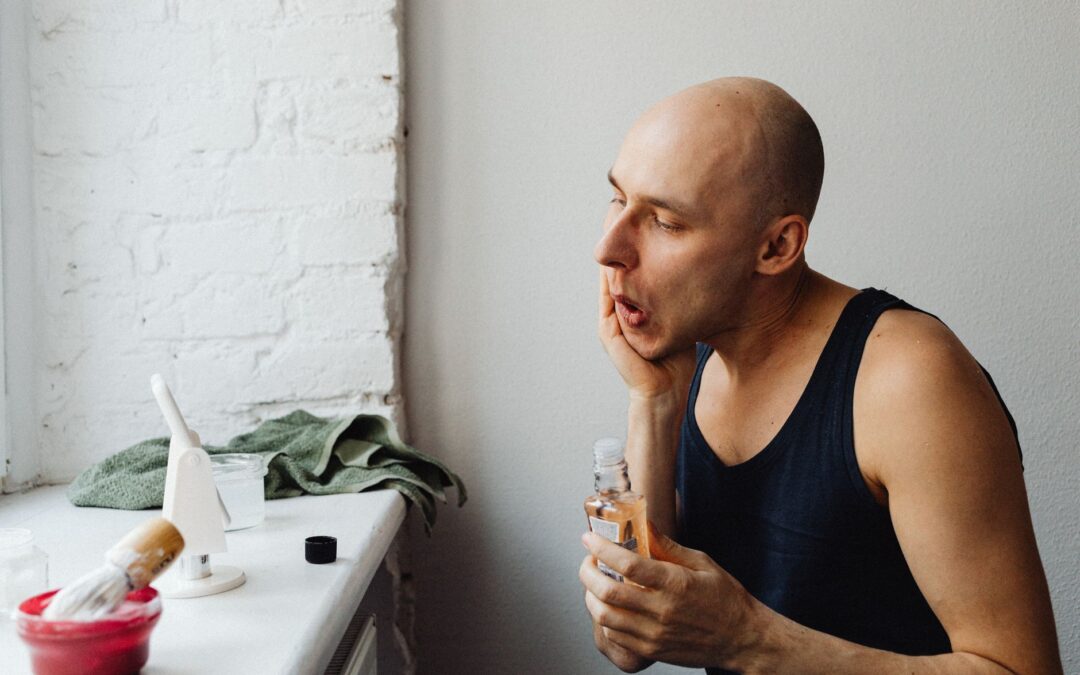
Most people grab the mouthwash without thinking much about it. Brush, maybe floss, rinse, done. But if you have ever wondered whether you are actually getting the most out of that rinse, the question of mouthwash before or after brushing turns out to have a more nuanced answer than “it doesn’t matter.” The short version: for most people, rinsing after brushing is fine, and for fluoride mouthwashes specifically, timing matters more than you might expect. The long version is worth knowing, because the details change depending on what type of rinse you use and what you are trying to accomplish.
Let’s walk through what the research actually says, and what our dental team sees in practice every day.
Why Timing Exists as a Question at All
The debate started gaining traction after a 2020 advisory from the UK’s National Health Service flagged a specific concern: if you brush with a fluoride toothpaste and then immediately rinse with any liquid, including water, you dilute and wash away the fluoride that was just deposited on your enamel. That fluoride needs a little time to bond with the tooth surface and do its cavity-fighting work.
The American Dental Association’s MouthHealthy resource notes that mouthwash is a helpful addition to brushing and flossing, but it is not a replacement. The ADA does not mandate a single universal timing rule, because the right answer depends on what is in your rinse.
Here is the practical breakdown.
If Your Mouthwash Contains Fluoride
This is the case where timing genuinely matters. A fluoride mouthwash is designed to deliver an extra dose of fluoride to your enamel, often in concentration levels that complement rather than duplicate your toothpaste. If you use it immediately after brushing, you are adding fluoride on top of fluoride, which can be beneficial. But if your rinse contains fluoride and you use it right after spitting out toothpaste and then immediately rinse with water after that, you are defeating the whole purpose.
The smarter approach: brush, spit (don’t rinse with water), then use your fluoride mouthwash as the final step. Swish for the recommended 30 to 60 seconds, spit, and then don’t eat, drink, or rinse for at least 30 minutes. That window gives the fluoride time to actually work on your enamel.
Some people prefer to use a fluoride rinse at a completely separate time, like after lunch, to get an additional fluoride exposure during the day. That is a perfectly legitimate strategy and one our team sometimes suggests for patients who are cavity-prone or have early signs of enamel softening.
If Your Mouthwash Does Not Contain Fluoride
Antibacterial rinses like chlorhexidine (usually prescribed for gum disease treatment) and over-the-counter antiseptic rinses with ingredients like cetylpyridinium chloride or essential oils work differently. Their job is to reduce the bacterial load in your mouth, not to remineralize enamel.
For these rinses, timing before or after brushing is less critical from a chemistry standpoint. However, many clinicians suggest using an antiseptic mouthwash before brushing, so that brushing can then mechanically remove the loosened bacteria and debris. Think of it like a pre-soak before scrubbing a pan. The rinse disrupts the biofilm; the brush removes it.
Chlorhexidine in particular has one important caveat: it binds with certain compounds in toothpaste (specifically sodium lauryl sulfate) and can become less effective if used right after brushing. If your dentist has prescribed chlorhexidine, they will typically advise rinsing at a separate time from brushing, or waiting at least 30 minutes.
- Fluoride mouthwash: Best used after brushing, as the final step. Skip the water rinse after brushing first. Wait 30 minutes before eating or drinking.
- Antiseptic/antibacterial (OTC): Can be used before brushing to help loosen bacteria, or after. Avoid rinsing with water immediately after either way.
- Prescribed chlorhexidine: Use separately from brushing (before, or at a different time of day entirely), and follow your dentist’s specific instructions.
- Whitening rinses: After brushing, as the final step, so the active ingredients contact clean enamel.
The 6 Things That Actually Change How Well Mouthwash Works
Timing is just one lever. In our experience, these other factors have at least as much impact on whether a rinse is actually doing anything useful.
1. Duration of swishing. Thirty seconds is generally the minimum. Most people under-swish by about half. If the bottle says 60 seconds, set a timer the first few times. It feels longer than you think. Insufficient swish time means the active ingredients do not reach every surface, especially the back molars and the spaces between teeth.
2. Volume used. More is not better here. The standard is about 20 milliliters, which is roughly four teaspoons. Using half that amount reduces contact coverage; using twice as much does not improve it. Most caps on commercial mouthwash bottles are calibrated close to 20 ml, so use the cap.
3. Not eating or drinking immediately after. This applies to fluoride rinses especially, but it is a good habit with any therapeutic rinse. Eating or drinking right after dilutes and removes the active ingredients before they finish working.
4. Skipping flossing. Mouthwash cannot reach the contact points between teeth where the tooth surfaces are touching. Only floss (or an interdental brush or water flosser) gets there. Rinsing without flossing leaves a significant portion of your tooth surfaces unbothered by any cleaning whatsoever. The ADA recommends cleaning between teeth once a day before or during your brushing routine.
5. The rinse you chose does not match your actual need. A whitening rinse will not meaningfully help with gum inflammation. An antiseptic rinse will not remineralize softening enamel. A cosmetic rinse that only freshens breath temporarily is not doing anything therapeutic at all. If you are reaching for mouthwash to address a specific concern, bring it up at your next checkup so our team can point you to the ingredient profile that actually targets what you are dealing with.
6. Using it as a substitute for brushing or flossing. This one is worth saying plainly: mouthwash alone does not remove plaque. Plaque is a sticky film of bacteria that requires physical disruption (brushing and flossing) to clear. A rinse reaches surfaces that bristles miss, and it delivers active ingredients efficiently, but it cannot do the mechanical work. It is an add-on, not a replacement.
A Note on Alcohol-Based Rinses
A lot of commercial mouthwashes contain alcohol, typically around 20 to 27 percent by volume. Alcohol serves as a carrier for other active ingredients and has some antimicrobial properties on its own. But for some people, it causes enough dryness to actually be counterproductive. Saliva is your mouth’s natural defense system: it neutralizes acids, remineralizes enamel, and controls bacteria. Anything that chronically dries out your mouth can offset the benefits of rinsing.
People who take medications that cause dry mouth, use certain blood pressure drugs, or already experience xerostomia (chronic dry mouth) are better served by an alcohol-free formula. A headline in The National Law Review this month noted that a celebrity dentist has been raising concerns about certain mouthwashes potentially harming health through alcohol content and other ingredients. While the specific claims in any individual news story should be evaluated carefully, the general principle is sound: if a rinse leaves your mouth feeling persistently dry or irritated, it is worth discussing an alternative with your dental team.
For patients at Vaksman Dental Group in South San Francisco, this is a common conversation. The right mouthwash for a 35-year-old with no particular dental concerns is different from what we would suggest for someone managing gum disease, wearing aligners, or coping with medication-induced dry mouth.
Where Mouthwash Fits Into the Bigger Routine
The ideal daily routine, based on what the evidence consistently supports, looks something like this: floss first (before brushing, so dislodged debris gets swept away by the brush), brush for two full minutes with a fluoride toothpaste, spit but do not rinse with water, and then use mouthwash as the final step if you use one. If you use a non-fluoride antiseptic rinse and want to use it before brushing as a pre-rinse, that is reasonable too. What matters most is that you brush twice a day, floss once a day, and see your dental team regularly for cleanings and exams, because no mouthwash catches what a professional dental cleaning at Vaksman Dental Group removes.
For patients in South San Francisco, San Bruno, Daly City, and the surrounding Peninsula communities, our team is happy to walk through your specific routine at your next visit and give you honest, personalized guidance on whether the rinse you are using is actually earning its spot in your cabinet.
The Bottom Line
For most people, mouthwash before or after brushing is less about a rigid rule and more about matching the type of rinse to the right moment in your routine. Fluoride rinses work best as the final step after brushing, used without rinsing afterward. Antibacterial rinses can go before or after, with before being slightly preferable for loosening bacteria first. Prescribed chlorhexidine should be timed separately from brushing entirely. And regardless of when you rinse, the habits that move the needle most are the ones you already know: two minutes of brushing, daily flossing, and regular professional care. Mouthwash is a genuinely useful tool when used correctly. It is just not magic.
Frequently Asked Questions
Should I use mouthwash before or after brushing?
For fluoride mouthwashes, after brushing is better: brush, spit, rinse, and wait 30 minutes before eating or drinking. For antibacterial rinses, before brushing can be slightly more effective because it loosens bacteria before the brush removes them. For prescription chlorhexidine, your dentist will usually recommend using it at a completely separate time from brushing.
Is it bad to rinse with water after brushing?
Yes, if you are relying on fluoride toothpaste for cavity protection. Rinsing with water immediately after brushing washes away the fluoride before it has time to bond with your enamel. Most dental guidelines now recommend spitting out toothpaste without rinsing, or waiting at least 30 minutes if you prefer to rinse.
Can mouthwash replace brushing or flossing?
No. Mouthwash cannot remove plaque, which requires physical disruption from a toothbrush and floss. Mouthwash reaches surfaces that bristles miss and delivers active ingredients efficiently, but it does not do the mechanical cleaning work that brushing and flossing accomplish.
Is alcohol-free mouthwash as effective as regular mouthwash?
For most purposes, yes. Alcohol-free formulas can deliver fluoride, antiseptic agents, or essential oils just as effectively as alcohol-based rinses. They are often a better choice for people with dry mouth, those taking medications that reduce saliva, or anyone who finds alcohol-based rinses irritating. The key is matching the active ingredients to your actual dental needs, not the alcohol content.
Schedule a Cleaning or Exam at Vaksman Dental Group
Written by the Vaksman Dental Group team and medically reviewed by Dr. Irena Vaksman, DDS — South San Francisco. Last reviewed September 2026.