
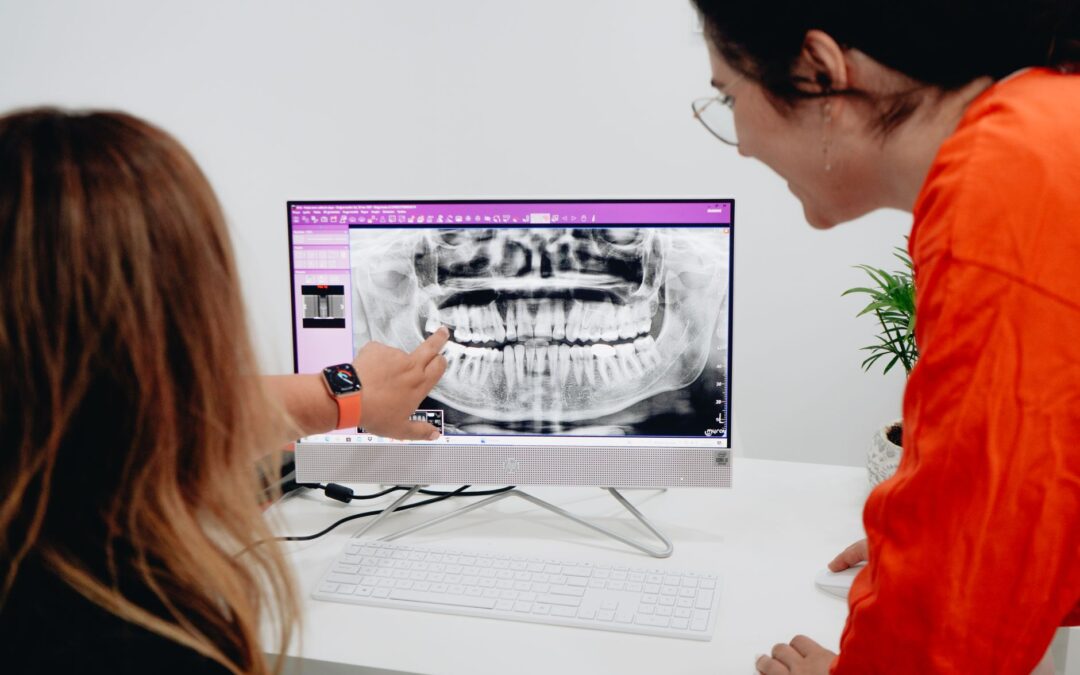
A CEREC crown is a custom ceramic dental crown designed, milled, and placed in a single dental appointment using chairside CAD/CAM technology. Instead of wearing a temporary crown and waiting one to two weeks for an outside dental lab, many patients can leave the office the same day with their permanent crown already bonded in place.
CEREC crowns can restore teeth that are cracked, broken, worn down, weakened by decay, or too damaged for a filling. They can also be helpful for patients who want to avoid messy impressions, temporary crowns, and a second appointment.
At Vaksman Dental Group in South San Francisco, CEREC same-day crowns are recommended when they are the right fit for the tooth, bite, material needs, and long-term function.
Key Takeaways
- A CEREC crown is a same-day ceramic crown made with digital scanning, design software, and in-office milling.
- Most CEREC crown appointments take about 90 minutes to two hours.
- CEREC crowns often eliminate the need for a temporary crown.
- CEREC crowns are made from tooth-colored ceramic and can look natural.
- Dental insurance may cover a CEREC crown similarly to a traditional crown when it is medically necessary.
- CEREC is not ideal for every tooth. Some cases may still be better suited for a lab-made crown, zirconia crown, gold crown, or another restoration.
- A dentist should evaluate your tooth structure, bite, symptoms, oral health, and material needs before recommending a CEREC crown.
What Is a CEREC Crown?
A CEREC crown is a dental crown created in the dental office using digital CAD/CAM technology. CEREC stands for Chairside Economical Restoration of Esthetic Ceramics. The system uses a digital scanner, design software, and an in-office milling unit to create a custom ceramic crown during your visit.
A crown is a cap that covers the visible part of a tooth above the gumline. It helps protect, strengthen, and restore a tooth that can no longer be predictably repaired with a filling.
A CEREC crown may be recommended for:
- A cracked tooth
- A broken tooth
- A large cavity
- A worn-down tooth
- A failing filling
- A tooth after root canal treatment
- A tooth that needs stronger protection than a filling
- A tooth that needs a natural-looking ceramic restoration
How Does a CEREC Crown Work?
A CEREC crown works by using a digital scan of your prepared tooth to design a custom ceramic crown on a computer. The crown is then milled from a ceramic block in the dental office, checked for fit and bite, polished, and bonded to your tooth during the same appointment.
The process usually includes:
- Numbing and tooth preparation
- Digital scan
- Crown design
- In-office milling
- Try-in and bite adjustment
- Final bonding
The biggest difference from a traditional crown is that the permanent crown can often be completed in one visit instead of two.
CEREC Crown vs. Traditional Crown
| Feature | Traditional Crown | CEREC Crown |
| Number of appointments | Usually 2 visits | Usually 1 visit |
| Waiting time | Often 1–2 weeks | Same day in many cases |
| Impression method | Putty impression or digital scan | Digital 3D scan |
| Temporary crown | Usually needed | Usually not needed |
| Crown fabrication | Outside dental lab | In-office milling unit |
| Material | Porcelain, zirconia, porcelain-fused-to-metal, gold, or ceramic | Tooth-colored ceramic block |
| Fit adjustments | Checked at second visit | Checked during same visit |
| Best for | Complex cases, high-strength needs, layered esthetics, some back teeth | Many single-tooth restorations and patients who want one-visit care |
Both CEREC and traditional crowns can be effective. The best option depends on the tooth, bite forces, esthetic needs, material requirements, and case complexity.
What Happens During a CEREC Crown Appointment?
A CEREC crown appointment is longer than a standard crown preparation visit, but it can eliminate the need for a second appointment.
1. Exam and Diagnosis
Your dentist evaluates the tooth, surrounding teeth, gums, bite, and X-rays. A crown may be recommended if the tooth is too damaged for a filling or needs full-coverage protection.
2. Numbing and Tooth Preparation
The tooth is numbed for comfort. Your dentist removes decay, old filling material, cracks, or weakened structure, then shapes the tooth so the crown can fit securely.
3. Digital Scan
Instead of taking a traditional putty impression, the dentist uses a digital scanner to capture a 3D model of your tooth and bite.
4. Crown Design
The CEREC software helps design the crown based on your prepared tooth, neighboring teeth, bite, and natural tooth shape. Your dentist reviews and adjusts the design before milling.
5. In-Office Milling
The crown is milled from a ceramic block in the office. Milling often takes about 15–20 minutes, though timing can vary.
6. Try-In and Adjustments
Your dentist checks the crown’s fit, bite, margins, shape, and color. Small adjustments are made before final bonding.
7. Final Bonding
The crown is bonded permanently to your tooth. Your dentist checks the bite again and polishes the crown before you leave.
How Long Does a CEREC Crown Take?
Most CEREC crown appointments take about 90 minutes to two hours from start to finish. Timing depends on the tooth, complexity, preparation, scan, design, milling, bonding, and bite adjustment.
A CEREC appointment may take longer than the first visit for a traditional crown, but the advantage is that the crown can often be completed in one visit.
CEREC Crown Pros and Cons
| Pros | Cons |
| Same-day permanent crown in many cases | Not ideal for every tooth or bite situation |
| No temporary crown in most cases | May not be the best choice for some high-force molars |
| Digital scan instead of messy putty impressions | Material options may be more limited than lab crowns |
| Tooth-colored ceramic | Complex esthetic cases may benefit from lab layering |
| Fewer appointments | Cost may be similar to or slightly higher than traditional crowns |
| Convenient for busy patients | Requires the dental office to have CEREC technology |
| Good fit when properly planned and bonded | Not all dentists offer same-day crowns |
CEREC crowns are convenient, but the fastest option is not always the best option. Your dentist should recommend the restoration that makes the most sense for your specific tooth.
What Are the Disadvantages of CEREC Crowns?
CEREC crowns have many benefits, but they also have limitations.
Possible disadvantages include:
- Not always ideal for very heavy bite forces
- Not always best for severely damaged teeth
- May not be preferred for complex front-tooth esthetic cases
- Fewer material choices compared with lab-made crowns
- Some cases may need a stronger zirconia or lab-fabricated restoration
- Same-day treatment still requires enough appointment time
- Cost may not be lower than a traditional crown
- The result depends on diagnosis, preparation, design, milling, and bonding skill
CEREC works well when case selection is appropriate. A dentist should explain when a lab-made crown may be better.
Is a CEREC Crown as Strong as a Traditional Crown?
A CEREC crown can be strong and long-lasting when used in the right case. Many CEREC crowns are made from high-quality dental ceramic designed for durable tooth restoration.
However, crown strength depends on more than the technology. It also depends on:
- Tooth location
- Bite force
- Grinding or clenching
- Amount of remaining tooth structure
- Crown material
- Bonding technique
- Oral hygiene
- Fit and bite adjustment
- Regular dental maintenance
For some molars or patients with heavy grinding, your dentist may recommend a different crown material or a lab-made crown.
How Long Do CEREC Crowns Last?
CEREC crowns can last 10–15 years or longer with proper care, and some last much longer. Longevity depends on your bite, oral hygiene, grinding habits, crown material, tooth location, and regular dental visits.
To help a CEREC crown last:
- Brush twice daily.
- Floss every day.
- Keep regular dental cleanings.
- Avoid chewing ice or hard objects.
- Do not use teeth as tools.
- Wear a night guard if you grind or clench.
- Treat gum inflammation early.
- Schedule an exam if the crown feels loose, painful, or high when biting.
Like all crowns, a CEREC crown is not permanent for life and may eventually need repair or replacement.
How Much Does a CEREC Crown Cost?
A CEREC crown often costs about the same as a traditional ceramic crown. In the U.S., dental crowns commonly range from about $1,000–$2,500+ per tooth, depending on location, material, provider, insurance, and case complexity.
Cost may depend on:
- Tooth location
- Crown material
- Amount of tooth damage
- Need for buildup
- Need for root canal treatment
- Dental insurance benefits
- Same-day technology
- Local market pricing
- Whether additional treatment is needed first
These are general educational ranges, not a guaranteed quote. A personalized estimate requires an exam.
Does Insurance Cover a CEREC Crown?
Dental insurance may cover part of a CEREC crown when the crown is medically necessary, such as when a tooth is cracked, broken, decayed, weakened, or needs protection after root canal treatment.
Insurance usually evaluates the crown procedure, not only the technology used to make it. Coverage depends on:
- Your plan
- Annual maximums
- Deductibles
- Waiting periods
- Frequency limits
- Tooth condition
- Whether the crown is medically necessary
- Material limitations
Before treatment, Vaksman Dental Group can help verify your benefits and explain your estimated out-of-pocket cost.
Does a CEREC Crown Look Natural?
Yes. A CEREC crown can look natural because it is made from tooth-colored ceramic and can be matched to nearby teeth. The final appearance depends on shade selection, tooth shape, bite, polish, and whether the tooth is in a highly visible area.
For many back teeth and premolars, CEREC crowns can provide excellent function and esthetics. For highly visible front teeth requiring complex shade layering, a lab-made crown may sometimes be recommended.
Does Getting a CEREC Crown Hurt?
The tooth is numbed before preparation, so the appointment should be comfortable. Some patients may feel mild tenderness or sensitivity after the numbness wears off, especially if the tooth was already cracked, inflamed, or deeply decayed.
Call your dentist if you have:
- Severe pain
- Lingering sensitivity
- Pain when biting
- Swelling
- A crown that feels too high
- A loose crown
- Symptoms that worsen instead of improving
Who Is a Good Candidate for a CEREC Crown?
You may be a good candidate for a CEREC crown if you need a single-tooth restoration and want to complete treatment in one visit.
Good candidates may include patients with:
- A cracked tooth
- A broken tooth
- A large filling
- A failing filling
- A tooth weakened by decay
- A tooth that needs protection after root canal treatment
- A busy schedule
- Difficulty returning for a second appointment
- Anxiety about temporary crowns
- Preference for digital scans over putty impressions
Who May Not Be a Good Candidate?
A CEREC crown may not be the best choice for every situation.
Your dentist may recommend another option if you have:
- Very heavy grinding or clenching
- A severely damaged tooth
- A very short tooth
- Complex front-tooth esthetic needs
- A bite that needs major correction
- A tooth that requires a different crown material
- A case that needs specialist involvement
- Gum disease or decay that must be treated first
The right crown is the one that protects the tooth reliably, not just the one that is fastest.
CEREC Crown vs. Zirconia Crown
| Feature | CEREC Ceramic Crown | Zirconia Crown |
| Common use | Same-day ceramic restorations | High-strength restorations |
| Appointment timing | Often completed in one visit | Often lab-made, though some offices mill zirconia |
| Strength | Strong for many cases | Very strong, often used for high-bite-force areas |
| Appearance | Natural tooth-colored ceramic | Tooth-colored, can be very esthetic depending on type |
| Best for | Many single crowns, premolars, select molars | Heavy bite forces, molars, bruxism cases, complex strength needs |
Your dentist may recommend CEREC ceramic, zirconia, porcelain, or another material depending on your tooth and bite.
CEREC Crown vs. Porcelain Crown
A CEREC crown is often a type of ceramic or porcelain-like restoration made with CAD/CAM technology. A traditional porcelain crown is usually made by a dental lab.
The main difference is not simply the material. It is the workflow.
A CEREC crown is usually designed and milled in-office during one visit. A traditional porcelain or lab-made crown is usually fabricated outside the office and placed at a second appointment.
A lab-made porcelain crown may be recommended for complex front-tooth esthetics, detailed color layering, or cases where a specific material is needed.
CEREC Crown vs. Filling
A filling repairs part of a tooth. A crown covers and protects the entire visible part of the tooth.
A filling may be enough when the cavity or damage is small to moderate. A crown may be better when too much tooth structure is missing or the tooth is at risk of breaking.
A crown may be recommended instead of a filling when:
- The filling would be too large
- The tooth is cracked
- The tooth has already broken
- The tooth has a large old filling
- The tooth needs full-coverage support
- The tooth has had root canal treatment
CEREC Crown vs. Onlay
A CEREC onlay covers part of a tooth, while a CEREC crown covers the entire visible portion of the tooth. Your dentist may recommend an onlay when enough healthy tooth structure remains and full crown coverage is not necessary.
A crown may be recommended when the tooth needs more complete protection.
Can a CEREC Crown Be Used After a Root Canal?
Yes. A CEREC crown may be used after root canal treatment when the tooth needs protection and enough tooth structure remains for a ceramic restoration. Many root canal-treated back teeth need crowns because they can become weaker over time.
Your dentist will evaluate the tooth, bite, remaining structure, and material needs before deciding whether CEREC is appropriate.
How to Care for a CEREC Crown
A CEREC crown should be cared for like a natural tooth. The crown itself cannot get a cavity, but the tooth underneath and the margin around the crown still need protection.
Care tips include:
- Brush twice daily with fluoride toothpaste.
- Floss around the crown every day.
- Avoid chewing ice, hard candy, pens, or fingernails.
- Wear a night guard if you grind your teeth.
- Keep regular dental checkups and cleanings.
- Call your dentist if the crown feels loose, high, painful, or sensitive.
- Treat gum inflammation and decay early.
Good maintenance helps protect both the crown and the natural tooth underneath.
CEREC Crowns in South San Francisco
If you are searching for a CEREC crown in South San Francisco, Vaksman Dental Group offers same-day crown technology for patients who want a faster and more convenient way to restore a damaged tooth.
Vaksman Dental Group is located at:
1241 Mission Road
South San Francisco, CA 94080
The office serves patients in South San Francisco and nearby Peninsula communities, including San Bruno, Daly City, Brisbane, Colma, Pacifica, Millbrae, and Burlingame.
Frequently Asked Questions
What is a CEREC crown?
A CEREC crown is a custom ceramic dental crown designed, milled, and placed in one dental appointment using digital scanning, CAD/CAM design, and in-office milling technology.
How long does a CEREC crown appointment take?
Most CEREC crown appointments take about 90 minutes to two hours from start to finish. The exact time depends on the tooth, preparation, scan, design, milling, adjustments, and bonding.
Are CEREC crowns worth it?
CEREC crowns can be worth it for patients who want a permanent crown in one visit, want to avoid temporary crowns, and are good candidates for a ceramic restoration. They are not ideal for every tooth.
What are the disadvantages of CEREC crowns?
CEREC crowns may not be best for every tooth, especially some complex front-tooth cases, severely damaged teeth, very heavy bite forces, or cases that need a different material or lab customization.
How long do CEREC crowns last?
CEREC crowns can last 10–15 years or longer with good care. Longevity depends on bite, oral hygiene, grinding habits, tooth location, material, and regular dental maintenance.
How much does a CEREC crown cost?
A CEREC crown often costs about the same as a traditional ceramic crown. Dental crowns commonly range from about $1,000–$2,500+ per tooth, depending on location, material, insurance, and case complexity.
Does insurance cover a CEREC crown?
Dental insurance may cover part of a CEREC crown when it is medically necessary to restore or protect a damaged tooth. Coverage depends on your plan, deductible, annual maximum, and limitations.
Is a CEREC crown better than a traditional crown?
Not always. A CEREC crown is faster and avoids a temporary crown, but a traditional lab-made crown may be better for complex esthetic cases, certain bite situations, or cases needing a different material.
Does a CEREC crown look natural?
Yes. CEREC crowns are made from tooth-colored ceramic and can be matched to surrounding teeth. The final result depends on shade, shape, fit, polish, and case planning.
Is a CEREC crown the same as a cap?
Yes. “Crown” and “cap” are common names for the same type of restoration. CEREC refers to the technology used to design and mill the crown in-office.
Can a CEREC crown be done in one day?
Yes. Many CEREC crowns can be completed in one day, including scanning, design, milling, fitting, and bonding. Some complex cases may still require a different approach.
Can a CEREC crown be used on a molar?
Yes, a CEREC crown can be used on some molars, but not every molar is ideal. Heavy bite forces, grinding, or limited tooth structure may require a different crown material or lab-made restoration.
Can a CEREC crown fall off?
A CEREC crown can become loose or come off if the bonding fails, decay develops under the crown, the bite is too heavy, or the tooth structure changes. Contact your dentist right away if a crown feels loose or comes off.
Can you eat after a CEREC crown?
Your dentist will give specific instructions. In many cases, you can eat after the numbness wears off, but it is best to avoid hard, sticky, or very chewy foods at first until your bite feels comfortable.
Do CEREC crowns stain?
CEREC ceramic crowns are stain-resistant, but the edges of the crown and surrounding natural teeth still need good oral hygiene. Coffee, tea, red wine, tobacco, and plaque buildup can affect the overall appearance of your smile.
Medical Disclaimer
This article is for educational purposes only and does not replace a dental diagnosis or personalized treatment plan. CEREC crown suitability depends on your tooth structure, bite, symptoms, oral health, material needs, and exam findings.
Related reading and services: The American Dental Association’s MouthHealthy resource · crown options at Vaksman Dental Group · inlay or onlay · (650) 588-3710