
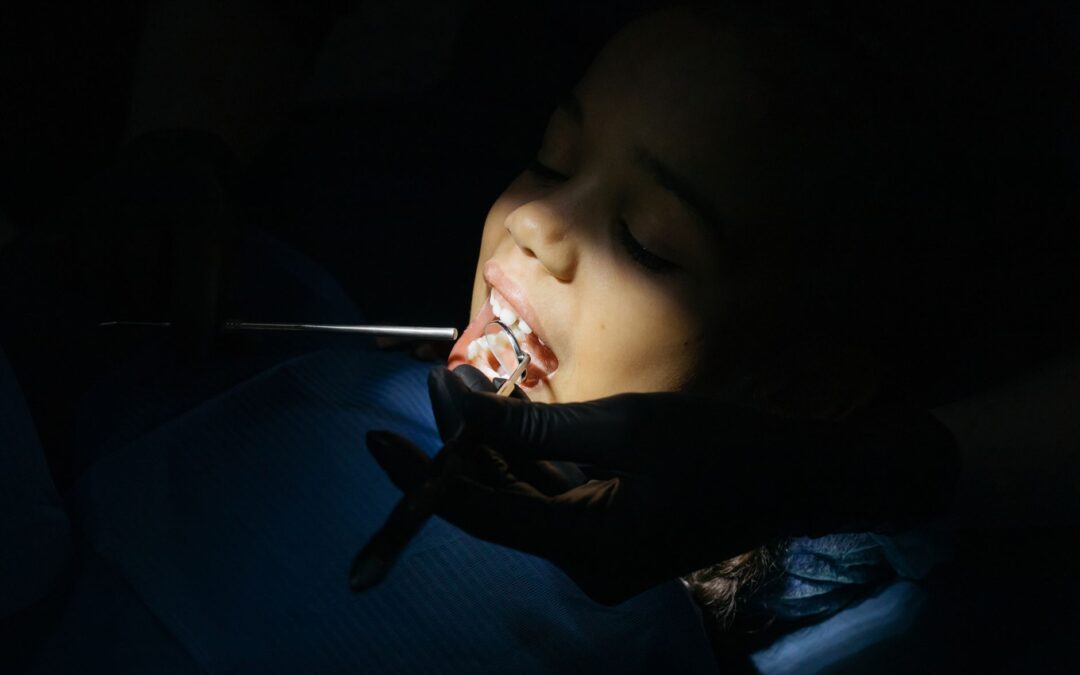
A quick dental visit before school starts is one of the most useful things you can do for your child this August. It catches small problems before they become mid-semester emergencies, satisfies most school health requirements, and sends your kid into the year with a mouth that won’t distract them from learning.
- Schedule a cleaning and exam before school starts so issues can be treated before they disrupt the school year.
- Cavities are the most common chronic childhood disease in the U.S. — a twice-yearly exam is the easiest way to catch them early.
- Kids in contact and collision sports need a properly fitted mouthguard before their first practice, not after their first collision.
- Fluoride treatments and dental sealants offer low-cost, long-lasting protection that many parents overlook at the annual visit.
- A quick home routine reset (new toothbrush, the right toothpaste, a consistent schedule) closes the gap between office visits.
Why Does the Back-to-School Window Matter Dentally?
Summer is the natural moment for a reset. School schedules fill fast once August arrives, and a toothache on a Tuesday morning is a much bigger problem when your child has a math test — and you have a job. The American Academy of Pediatric Dentistry recommends dental checkups every six months for most children, and August lands right in the middle of a natural six-month gap from a typical spring visit. Missing this window often means the next realistic appointment is a reactive one, not a preventive one.
There is also a practical school-policy angle. Many California school districts ask for documentation of a dental exam as part of health record requirements, particularly for kindergartners and students entering certain grade levels. Getting ahead of that paperwork now means one less thing to chase down in September.
What Should Be on the Checklist?
1. Book the cleaning and exam
This is the non-negotiable starting point. A professional cleaning removes the hardened tartar that a toothbrush simply cannot reach, and the exam lets your dentist spot early cavities, gum irritation, crowding issues, or anything else brewing under the surface. At our office in South San Francisco, our dental team uses dental cleaning appointments to do exactly this: a thorough scale, a polish, and a full-mouth review so nothing slips through.
Book now. August fills up quickly at most family dental offices, and you want the appointment done before the first day of school, not after.
2. Ask about fluoride treatment
Professional fluoride treatments take about two minutes at the end of a cleaning appointment, and the evidence behind them is solid. The CDC has identified community water fluoridation and professional fluoride treatment as two of the most effective public health measures for preventing tooth decay. For school-age kids — especially those who are heavy snackers, wear braces, or have a history of cavities — a fluoride varnish applied at the cleaning visit can meaningfully strengthen enamel between now and the next exam.
It is worth asking your dentist whether your child is a good candidate, particularly if your family drinks mostly filtered or bottled water, which may have lower fluoride levels than tap.
3. Consider dental sealants for molars
The first permanent molars typically come in around age 6, and the second set around age 12. These back teeth have deep grooves where food and bacteria collect easily, and they are the most cavity-prone teeth in a child’s mouth. Dental sealants are thin protective coatings painted onto those grooves to seal them off. The procedure is painless, quick, and can last for years.
According to the American Dental Association’s MouthHealthy resource, sealants can reduce the risk of decay in molars by nearly 80 percent. If your child has sealant-eligible molars that haven’t been treated yet, the back-to-school visit is a great time to take care of it. Learn more about dental sealants at our South San Francisco office.
4. Get a mouthguard for sports
Fall sports seasons — soccer, football, field hockey, basketball, volleyball — start almost immediately after school does. A mouthguard is required equipment in many of these sports, but “required” and “properly fitted” are two different things. Boil-and-bite guards from a sporting goods store offer some protection, but a custom-fitted guard made at the dental office stays in place better, is more comfortable, and provides superior shock absorption.
Our team can fit your child for a custom dental mouthguard at the same visit as the cleaning — no second trip needed. The American Dental Association estimates that mouthguards prevent more than 200,000 oral injuries every year in high school and college sports alone. That number doesn’t need to include your kid.
5. Address any cavities now, before they become emergencies
Tooth decay is the most common chronic disease in U.S. children, more prevalent than asthma, according to the CDC’s oral health data. A cavity caught early is usually a straightforward filling. A cavity ignored for three or four months of busy school schedules can reach the nerve, require more involved treatment, and send a child home early from school in pain.
If your child’s exam turns up a small cavity, get it scheduled and treated before school opens. A short filling appointment now beats a dental emergency in October every single time.
6. Check the orthodontic picture
The back-to-school exam is also a good moment to ask your dentist for an honest read on your child’s bite and spacing. Many orthodontic issues are easier to address when caught early, particularly those involving jaw development and crowding. If your dentist notices something worth watching or referring, you will want that conversation to happen now so you can plan accordingly rather than scrambling mid-year.
7. Reset the home routine
The summer dental routine often gets a little looser: later bedtimes, more snacks, irregular brushing. Now is the time to hit reset before school schedules impose their own structure.
A few practical moves that make a real difference:
- Replace the toothbrush. The American Dental Association recommends a new brush (or brush head) every three to four months, or sooner if the bristles are frayed. If your child’s brush looks tired, it is not doing its job.
- Use the right toothpaste. Children 3 and older should use fluoride toothpaste. A pea-sized amount is enough. Children under 3 use a smear the size of a grain of rice.
- Brush twice, two minutes each. Morning and before bed. A timer — or a two-minute song — helps kids actually hit the full two minutes rather than a quick 20-second scrub.
- Floss once a day. As soon as two teeth touch, flossing matters. It is the only way to clean between teeth where the brush can’t reach.
- Watch the lunch and snack choices. Gummy snacks, sports drinks, and juice boxes are cavity-accelerators, especially when sipped slowly through the school day. Water is always the better choice between meals.
What About Kids With Braces or Aligners?
If your child is currently in orthodontic treatment, the back-to-school visit matters even more. Brackets and wires create more hiding spots for plaque, and the risk of white spot lesions (early decay around bracket edges) is real. Remind your child about the importance of brushing around each bracket and using a floss threader or water flosser to clean between teeth.
If your teenager is considering orthodontic treatment, this visit is a great time to ask whether Invisalign is appropriate for their situation. Invisalign aligners are removable, so teens can eat normally and clean their teeth without extra hardware. Your dentist can help you figure out whether that route makes sense at this stage.
What If My Child Is Nervous About the Dentist?
Dental anxiety in kids is common and very manageable. A few things that genuinely help:
- Frame the visit positively before you go. “We’re going to make sure your teeth are strong and healthy” lands better than “it won’t hurt.”
- Let your child ask questions and meet the dental team before anyone opens their mouth. A little familiarity goes a long way.
- Choose a time when your child is not tired or hungry. Mid-morning, after breakfast, tends to work well.
- Praise the behavior, not the outcome. “You did a great job sitting still and being brave” builds the association that the dentist is a safe, manageable place.
Our team in South San Francisco sees kids of all ages and temperaments, and we are patient. If your child has had a difficult experience in the past, let us know before the appointment so we can plan accordingly.
A Note on School Health Requirements in California
California law (Health and Safety Code Section 124100) requires that children entering kindergarten or first grade have an oral health assessment on file. The assessment must be completed by a licensed dental professional. If your child is starting kindergarten this fall and has not had a documented dental exam in the past 12 months, now is the time. We can complete the assessment form during a regular cleaning and exam appointment.
Frequently Asked Questions
At what age should my child first see a dentist?
The American Academy of Pediatric Dentistry recommends a child’s first dental visit by their first birthday or within six months of their first tooth erupting, whichever comes first. Starting early builds familiarity with the dental environment and lets your dentist catch any early developmental concerns.
How often does my school-age child need a dental cleaning and exam?
Most children benefit from a cleaning and exam every six months. Your dentist may recommend more frequent visits if your child has a history of cavities, active orthodontic treatment, or other factors that increase their risk.
Are dental X-rays safe for kids?
Yes. Modern digital X-rays use very low levels of radiation, and the diagnostic benefit of catching decay or developmental issues early far outweighs the minimal exposure. Your dentist will only recommend X-rays when they are clinically appropriate for your child’s age and risk level.
Do sports mouthguards really make a difference?
They do. The ADA estimates mouthguards prevent more than 200,000 sports-related oral injuries every year. A custom-fitted guard from your dentist provides a better fit, better retention, and better protection than a store-bought boil-and-bite version.
Ready to check the dental box before school starts? Our team at Vaksman Dental Group in South San Francisco is here to help. Schedule your child’s cleaning, exam, and anything else on this list in one convenient visit.
Written by the Vaksman Dental Group team and medically reviewed by Dr. Irena Vaksman, DDS — South San Francisco. Last reviewed August 2026.