
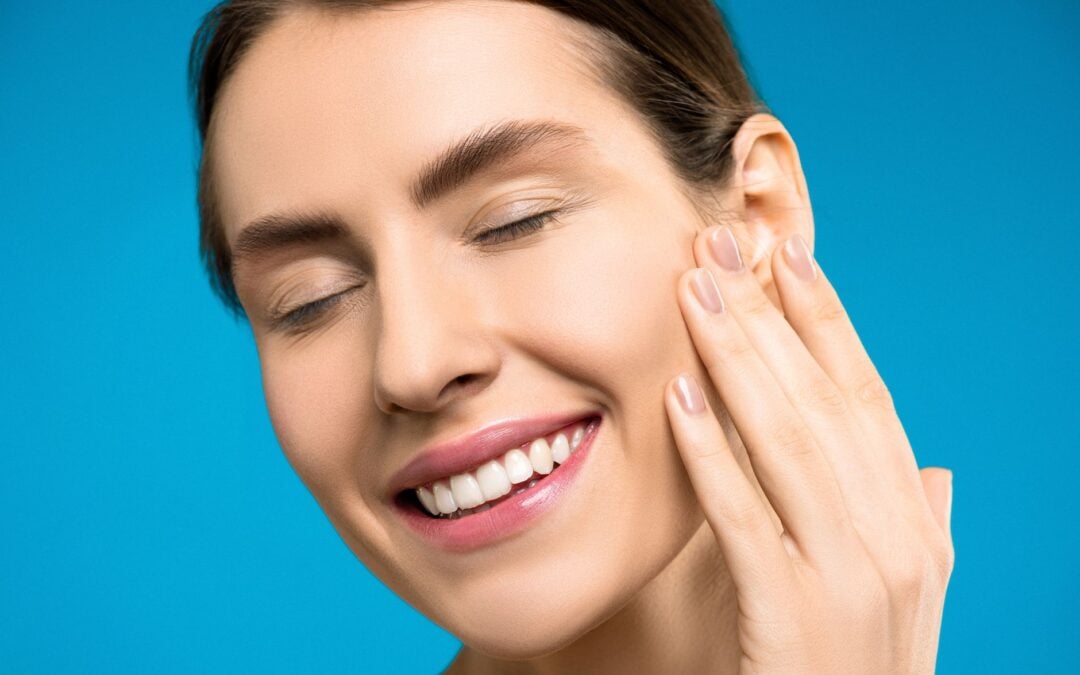
Alix Earle’s smile is having a moment. The TikTok creator and brand personality has millions of followers studying her every post, and lately a lot of those followers are wondering: did she get veneers? If so, when? And what would something like that actually involve for a real person? Those are genuinely useful questions, so let’s work through them one by one.
Before diving in: our dentists at Vaksman Dental Group can’t see Alix Earle’s dental records, and we wouldn’t speculate about anyone’s private medical treatment. What we can do is explain what cosmetic dentists actually look for, what different treatments produce different results, and what you should realistically expect if you’re thinking about your own smile. That’s where this gets useful.
Does Alix Earle have veneers?
Nobody outside her dental team knows for certain. Alix Earle has acknowledged publicly that she has had cosmetic dental work, but she has not confirmed the specific procedures involved. Based on widely available photos over time, many cosmetic dentists who have commented publicly note her teeth appear brighter, more uniform in shape, and more symmetrical than in earlier images. That pattern is consistent with either porcelain veneers, professional whitening combined with bonding, or some combination of the two.
Here is the honest answer: without clinical records or a direct statement from her, any specific claim about her exact treatment is speculation. We won’t make one. What matters more is understanding what creates that kind of result, so you can have a real conversation with a dentist about your own teeth.
What is the difference between veneers, bonding, and whitening — and why does it matter which one you get?
These three treatments are often lumped together, but they are very different in cost, permanence, and what they can actually fix.
Teeth whitening changes color only. It cannot change the shape, size, or alignment of a tooth. Professional whitening (either in-office or with custom take-home trays) can lighten natural enamel by several shades. It doesn’t work on crowns, veneers, or bonding, and results typically last one to three years with good maintenance. It is the most affordable and least invasive starting point for most patients.
Composite bonding uses a tooth-colored resin applied directly to the tooth surface to fix minor chips, close small gaps, or slightly reshape a tooth. A skilled dentist can do it in one appointment with no enamel removal in many cases. It is more affordable than porcelain veneers but more prone to staining over time and typically lasts five to seven years before needing a touch-up.
Porcelain veneers are thin ceramic shells bonded to the front surface of teeth. They can change color, shape, size, and length simultaneously, which is why they’re often used for more comprehensive smile makeovers. Traditional veneers require removing a thin layer of enamel (that process is irreversible), though a subset called prepless or no-prep veneers require little to no removal for the right candidate. Porcelain veneers typically last 10 to 20 years with good care. They are a bigger investment, both financially and in terms of commitment.
Understanding which category applies to your situation is exactly the kind of conversation to have during a cosmetic consultation, not something to guess at based on a celebrity’s photos.
What does a smile makeover actually cost?
Cost varies significantly based on the treatment, the number of teeth involved, the materials used, and your location. These are national ballpark ranges only and do not reflect our office’s prices:
- Professional whitening: $300 to $1,000 for in-office; $200 to $500 for custom take-home trays
- Composite bonding per tooth: $200 to $600
- Porcelain veneers per tooth: $900 to $2,500, depending on the material and the dentist’s experience
- A full smile makeover (8 to 10 upper veneers): $8,000 to $25,000 nationally; in the San Francisco Bay Area, prices tend to run toward the higher end of that range
Most elective cosmetic procedures are not covered by dental insurance. Some practices offer financing options that can make treatment more accessible. At your cosmetic consultation, your dentist will discuss realistic pricing for your specific treatment plan.
Are veneers permanent? What is the commitment really like?
Traditional porcelain veneers are considered an irreversible treatment because enamel is removed to make room for the veneer shell. Once that enamel is gone, your tooth will always need a covering of some kind. That’s not a reason to avoid veneers if they’re the right choice for you, but it is a reason to go into the decision with clear information.
Prepless veneers (sometimes called no-prep veneers) are an option for some patients where little or no enamel is removed. Not everyone qualifies; your tooth size, bite, and the amount of change you want all factor in. Dental veneers at our South San Francisco office come with a thorough consultation first, so you understand exactly what you’re committing to before any prep work begins.
Day-to-day life with veneers is largely normal. You eat, brush, and floss as usual. You do want to avoid biting into very hard objects (ice, hard candy) directly with your veneer teeth, and wearing a night guard if you grind your teeth is strongly recommended to protect the investment. With good care, porcelain veneers can last 15 years or more, according to the American Dental Association’s MouthHealthy resource.
What should I look for to tell if someone has veneers?
This is a fun question and, honestly, a useful one if you’re trying to figure out whether a celebrity’s smile is natural or not. A few things cosmetic dentists notice:
Uniformity that’s a little too perfect. Natural teeth have slight variations in translucency, subtle ridges, and small size differences from tooth to tooth. High-quality veneers mimic this, but mass-produced or poorly placed veneers can look flat or overly uniform.
A sudden change over a short period. If someone’s smile looks noticeably different between a photo from two years ago and today, and whitening alone wouldn’t account for the shape change, veneers or bonding are the likely explanation.
An opacity rather than translucency. Natural enamel lets some light through. Early-generation veneers could look opaque, though modern ceramics are much better at mimicking the light-play of real teeth.
The best veneers are the ones that are hard to spot. A skilled cosmetic dentist designs them to look like a better version of your natural teeth, not a generic set of bright white rectangles.
Am I a good candidate for veneers?
Veneers work well for people who want to address multiple concerns at once: color, shape, minor spacing issues, and chips or worn edges. They’re generally not the right tool if you have active gum disease, significant tooth decay, or major alignment problems (those need to be addressed first). They’re also not ideal if you have significant tooth grinding (bruxism) without a plan to manage it, since grinding puts veneers at higher risk for chipping.
Good candidacy also includes having enough natural enamel to bond to. Your dentist will assess this at a consultation. If veneers aren’t the right fit, there are almost always other options, whether that’s cosmetic dental bonding in South San Francisco, professional whitening, or a combination approach.
One thing worth saying: social media can make it feel like everyone around you has a perfect smile. Many of the smiles you see on your feed are filtered, lit by ring lights, and sometimes the result of years of treatment and significant expense. That doesn’t mean cosmetic dentistry isn’t worth it for the right reasons. It just means the goal should be your best smile, not a copy of someone else’s.
How do I start if I’m actually interested?
The most useful first step is a cosmetic consultation with a dentist who does this work regularly. Bring photos of smiles you like and be ready to describe what specifically bothers you about your current teeth. The more specific you can be (“I hate how this one tooth is shorter than the others” or “the color bothers me but the shape is fine”), the more targeted the treatment plan can be.
At a consultation, your dentist will examine your gum health, tooth structure, and bite before recommending anything. If veneers are a good fit, some practices offer a digital preview or a “wax-up” mockup so you can see an approximation of the result before committing. Our team at Vaksman Dental Group takes that kind of patient-centered approach because it leads to better outcomes and fewer surprises. If cosmetic work isn’t right yet (say, because of untreated gum disease), your dentist will tell you that and lay out the path to get there.
The American Dental Association’s guidance on veneers is a solid starting point for understanding your options before you walk in.
If you’re anywhere in South San Francisco, San Bruno, Daly City, Millbrae, Burlingame, or nearby, our team is happy to have that conversation.
Written by the Vaksman Dental Group team and medically reviewed by Dr. Irena Vaksman, DDS — South San Francisco. Last reviewed September 2026.