
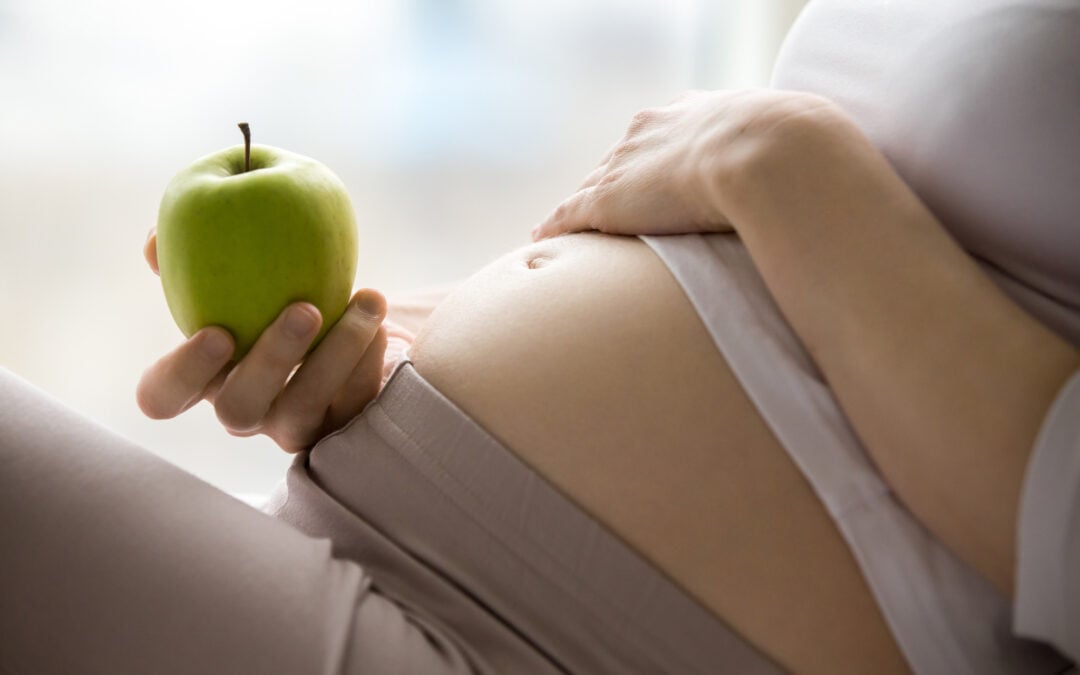
Pregnancy gingivitis is a common, mild gum inflammation caused by hormonal changes during pregnancy, and it’s very manageable. It usually appears as red, swollen, tender gums that bleed easily, and the best protection is good oral hygiene plus regular dental care, which is safe throughout pregnancy.
Key Takeaways
- Pregnancy gingivitis (red, swollen, bleeding gums) affects an estimated half to three-quarters of pregnant patients due to hormonal changes that amplify the gum’s response to plaque.
- Untreated gingivitis can progress to periodontitis, a serious gum disease causing permanent bone and tissue damage, and has been linked in some studies to preterm birth and low birth weight.
- Dental care, including cleanings, exams, X-rays, and necessary treatment, is safe at any stage of pregnancy and should not be skipped or delayed.
- The best defenses against pregnancy gingivitis are brushing twice daily with fluoride toothpaste, flossing every day, limiting sugary foods, and scheduling extra professional cleanings during pregnancy.
- Pregnancy gingivitis typically resolves on its own after delivery, but ongoing monitoring is important to ensure it hasn’t progressed to more serious gum disease.
Many expectant parents are surprised to learn how common gum problems are during pregnancy. The American College of Obstetricians and Gynecologists (ACOG) and the American Dental Association (ADA) note that a large share of pregnant patients (by many estimates, roughly half to three-quarters) experience some degree of pregnancy gingivitis. The good news: with a few simple do’s and don’ts, it’s easy to keep under control. Here’s your complete guide.
What is pregnancy gingivitis?
Pregnancy gingivitis is inflammation of the gums that develops during pregnancy. It’s triggered by plaque (the sticky film of bacteria that constantly forms on teeth) combined with the hormonal shifts of pregnancy. The result is gums that look red and swollen and feel tender, sensitive, and prone to bleeding when you brush or floss.
It typically shows up in the first trimester and can continue through the pregnancy. In most cases, it eases on its own after delivery. But it shouldn’t be ignored: untreated gingivitis can progress into periodontitis, a more serious gum disease that causes permanent damage to the bone and tissue supporting your teeth.
Why does pregnancy cause gingivitis?
The main driver is hormones. During pregnancy, rising levels of estrogen and progesterone increase blood flow to the gums and change how gum tissue responds to plaque. That exaggerated response means even a normal amount of plaque can cause noticeably more inflammation than it would otherwise.
A few other factors add to the risk:
- Morning sickness: Frequent vomiting exposes teeth to stomach acid, which can irritate gums and erode enamel.
- Diet changes: More frequent snacking, especially on sugary or carb-heavy foods, feeds the bacteria that cause plaque.
- Pre-existing gingivitis: If your gums were already inflamed before pregnancy, it will likely get worse without treatment.
Researchers believe the inflammation matters beyond the mouth. Some studies have linked untreated gum disease in pregnancy to outcomes like preterm birth and low birth weight, though the evidence isn’t fully settled. Either way, leading health organizations agree that good oral health during pregnancy is well worth prioritizing.
Is dental care safe during pregnancy?
Yes. Routine dental care is safe and recommended throughout pregnancy. ACOG and the ADA both confirm that cleanings, exams, and necessary treatment can, and should, continue while you’re expecting. Skipping dental care during pregnancy does more harm than good.
A few practical notes:
- The second trimester is often the most comfortable window for non-urgent treatment, but care can be provided at any point when needed.
- Dental X-rays are considered safe during pregnancy with proper shielding, and dentists take extra precautions as a matter of routine.
- Always let your dental team know you’re pregnant, and how far along, so they can tailor your care.
- Don’t postpone treating an infection or urgent problem; an untreated dental infection poses more risk than the treatment to address it.
A simple professional cleaning and dental exam are among the best things you can do for your gums during pregnancy.
The 6 DOs and DON’Ts of pregnancy gingivitis
These guidelines, in line with ACOG and ADA recommendations, will help you keep your gums healthy from conception through delivery.
1. DO see your dentist before, during, and after pregnancy
Early intervention is key, and ongoing care matters just as much. Schedule a checkup when you’re planning a pregnancy, keep your regular visits while expecting, and follow up afterward to make sure your gums have recovered.
2. DO brush and floss properly, and clean more often
Brush twice a day for two minutes with fluoride toothpaste, and floss daily. Try to brush after meals and snacks, especially sugary ones. Many dentists recommend a couple of extra cleanings during pregnancy to keep plaque under control. If you experience morning sickness, rinse with water (or a baking-soda rinse) after vomiting and wait about 30 minutes before brushing to protect your enamel.
3. DON’T load up on sugar
A balanced diet is good for you and your baby, and it also limits the sugar that feeds plaque-causing bacteria. Cutting back on sugary snacks and drinks directly reduces your gingivitis risk and helps protect against cavities, too.
4. DO treat tooth decay: don’t wait
Ideally, take care of any needed dental work before becoming pregnant. But if a problem comes up while you’re expecting, don’t put it off. Necessary treatment is safe during pregnancy, and addressing decay early prevents it from becoming an emergency.
5. DON’T share utensils that spread bacteria
The bacteria that cause tooth decay can be passed from person to person. Avoid sharing spoons, forks, or cups: a small habit that helps protect both you and your baby down the road.
6. DO consider sugar-free or xylitol gum
Chewing sugar-free gum after meals stimulates saliva, which helps neutralize acids and wash away food particles. Some research suggests xylitol gum may help reduce cavity-causing bacteria. It’s a simple, pregnancy-friendly habit that supports your oral health between brushings.
When should you see a dentist during pregnancy?
Some gum tenderness and occasional bleeding can be normal during pregnancy, but certain signs mean it’s time to come in:
- Gums that bleed frequently or heavily
- Significant swelling, pain, or a lump on the gums
- Persistent bad breath or a bad taste
- Loose teeth or receding gums
- Any tooth pain or signs of infection
Even without symptoms, keeping your regular cleanings is the best way to stay ahead of pregnancy gingivitis. If it has already progressed, a deep cleaning may be recommended to remove buildup below the gum line.
Bottom line: pregnancy gingivitis is real and common, but it’s also very manageable. With consistent home care and regular dental visits, you can keep your gums, and your smile, healthy through every trimester. Congratulations, and take good care of yourself!
Frequently Asked Questions
Is it safe to go to the dentist while pregnant?
Yes. ACOG and the ADA confirm that dental cleanings, exams, and necessary treatment are safe during pregnancy. The second trimester is often the most comfortable time for non-urgent care.
Does pregnancy gingivitis go away after birth?
In most cases, pregnancy gingivitis improves on its own after delivery as hormone levels return to normal. It should still be monitored, since untreated gingivitis can progress to more serious gum disease.
How can I prevent pregnancy gingivitis?
Brush twice daily, floss every day, limit sugary foods, and keep up with regular dental cleanings: adding a couple of extra cleanings during pregnancy can help keep plaque in check.
Are dental X-rays safe during pregnancy?
Yes, dental X-rays are considered safe during pregnancy with proper shielding. Always tell your dental team you’re pregnant so they can take the appropriate precautions.
Ready for your next visit to a South San Francisco dentist?
Book Now