
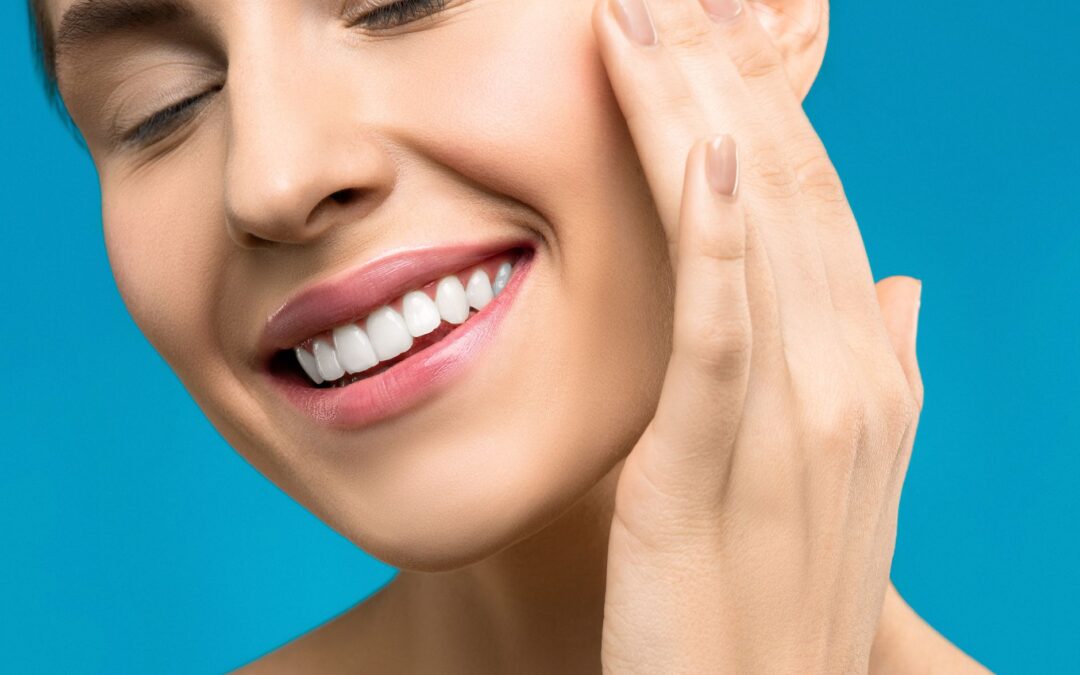
WNBA star and cultural phenomenon Angel Reese recently debuted a noticeably upgraded smile ahead of All-Star Weekend — and the internet noticed immediately. The short answer to what likely happened: a professional cosmetic smile makeover, probably combining whitening and veneers. But beyond the glow-up headlines, her transformation is actually a great jumping-off point for understanding how modern cosmetic dentistry works, what it can and can’t do, and how to think about it honestly for yourself.
Here are six things Angel Reese’s new smile teaches us about cosmetic dentistry.
1. A “Smile Makeover” Usually Means a Combination of Treatments
It’s rarely just one thing. When celebrities unveil a dramatically different smile, what you’re typically looking at is a carefully planned sequence of procedures — often whitening, veneers or crowns, and sometimes gum contouring to even the gumline — all designed to work together.
The American Dental Association notes that porcelain veneers are one of the most common tools in a cosmetic plan because they address color, shape, length, and minor alignment all at once. But a veneer placed over a tooth with gum problems or decay won’t last — which is why our dental team at Vaksman Dental Group always starts a cosmetic conversation with a thorough health evaluation. Great-looking results start with a healthy foundation.
2. Timing Matters — and Good Dentists Plan Ahead
The fact that Reese timed her makeover ahead of a high-profile public moment isn’t just vanity. It reflects something real: cosmetic dental work takes planning. Veneers typically require two or more appointments spread over a few weeks. Your gums need time to heal after certain procedures. And the shade, shape, and fit all get refined through a collaborative process between you and your dental team.
If you have a wedding, reunion, or milestone event on the horizon, the time to book a cosmetic consult is at least two to three months out — not two weeks. Our team in South San Francisco can map out a realistic timeline at your very first visit.
3. Veneers Are Permanent — and That’s a Feature, Not a Bug
One thing that gets glossed over in celebrity smile coverage: porcelain veneers involve permanently altering your natural tooth structure. A thin layer of enamel is typically removed so the veneer bonds flush and naturally. You’re committing to veneers for life (they do eventually need replacement, usually after 10–20 years with good care).
That permanence is actually what makes them so effective and durable. But it also means this is a decision worth taking seriously. MouthHealthy.org recommends that patients have a thorough discussion with their dentist about realistic expectations and long-term care before committing to veneers. Our dentists walk through exactly that conversation — no rush, no pressure.
If you’re curious whether veneers or a different option fits better for your situation, our page on dental veneers at Vaksman Dental Group is a good place to start.
4. The Color Has to Match Your Whole Face — Not Just Look White
Here’s something cosmetic dentists think about that most patients don’t: the brightest white isn’t always the most flattering white. A skilled cosmetic dental team considers your skin tone, eye color, lip color, and even the shape of your face when selecting veneer shade and tooth shape. A shade that looks gorgeous on one person can look artificial on another.
This is where artistry meets science. At our office, your dentist will often show you shade samples against your actual face — sometimes using digital mock-ups — before anything permanent is done. The goal is a smile that looks like the best, healthiest version of yours. Not a stranger’s smile on your face.
5. Healthy Gums Are Non-Negotiable Before Any Cosmetic Work
No reputable cosmetic dentist will place veneers or do a full smile makeover on teeth with active gum disease, untreated decay, or significant bone loss. It’s like painting over a wall that needs patching — it won’t hold, and it masks a problem that will only get worse.
The American Academy of Periodontology links untreated gum disease to systemic health risks beyond just your mouth. So when our team flags gum treatment before cosmetic work, it’s genuinely in your best interest — not a delay tactic. Treating any underlying issues first is what makes a smile makeover actually last.
If your gums need attention first, our gum disease treatment in South San Francisco can get you healthy and on track for the cosmetic results you want.
6. You Don’t Have to Be Famous to Afford a Better Smile
Celebrity smile makeovers can feel aspirational to the point of unrelatable. But cosmetic dentistry has a wider range than most people realize. Not every improvement requires a full set of veneers. Depending on your situation, options like professional whitening, cosmetic dental bonding, or a single strategically placed veneer can make a meaningful difference at a fraction of the cost of a complete makeover.
Nationally, single porcelain veneers typically range from $900 to $2,500 per tooth (these are not our office’s prices — costs vary by provider, location, and material). Whitening alone can run $300–$800 for professional-grade treatment. The point: there’s often a middle path between “do nothing” and “full Hollywood transformation.” A cosmetic consult is usually the best way to find it.
The Bottom Line
Angel Reese’s smile makeover is a fun moment — and a genuinely useful lens for understanding what cosmetic dentistry actually involves. The takeaway isn’t “go get veneers.” It’s that a great smile is the result of careful planning, healthy foundations, and a team that listens to what you actually want. Whether you’re curious about whitening or thinking bigger, it starts with a conversation.
Frequently Asked Questions
Are veneers right for everyone who wants a smile makeover?
Not necessarily. Veneers are a great option for people with healthy teeth and gums who want to change color, shape, or length. But people with active gum disease, significant decay, or grinding habits may need other treatments first — or may be better served by alternatives like bonding, whitening, or crowns. Your dentist will evaluate what’s actually right for your situation.
How long does a cosmetic smile makeover take from start to finish?
It depends on what’s involved. A whitening-only plan might be complete in one to two visits over a couple of weeks. A full veneer makeover typically takes two to three appointments across four to eight weeks, including prep, temporaries (in most cases), and final placement. Some offices with CEREC in-office CAD/CAM technology can speed up crown and restoration work.
Does getting veneers hurt?
Most patients describe the process as very manageable. Local anesthesia is used during the tooth-preparation step, so you shouldn’t feel pain during the procedure. Some sensitivity is common for a few days after, but it typically fades. Your dental team will walk you through what to expect at each stage.
What’s the difference between veneers and dental bonding for cosmetic improvements?
Veneers are thin porcelain shells custom-made in a lab and permanently bonded to the front of your teeth — durable, stain-resistant, and long-lasting (10–20 years with care). Dental bonding uses a tooth-colored resin applied and shaped directly on the tooth in a single visit — less invasive, more affordable, and easier to repair, but less durable over time. For minor chips, gaps, or discoloration, bonding is often a smart first step.
Ready to talk through your own smile goals? Our team at Vaksman Dental Group in South San Francisco would love to help you figure out what’s possible — and what makes sense for you.
Written by the Vaksman Dental Group team and medically reviewed by Dr. Irena Vaksman, DDS — South San Francisco. Last reviewed July 2026.