
If you’ve been told you need your wisdom teeth out, you’ve probably already heard a dozen different stories about recovery. Some people swear it was no big deal. Others describe a week of misery on the couch. Who’s right? The truth, as usual, lands somewhere in the middle — and a lot of the scariest stories trace back to myths that simply aren’t accurate.
Below, our dental team at Vaksman Dental Group works through seven of the most common misconceptions about wisdom teeth removal recovery — and replaces each one with the real story so you can go in prepared.
Myth 1: Recovery Takes at Least a Week
Fact: Most People Feel Significantly Better in 3 to 4 Days
The first 24 to 48 hours are the most uncomfortable, full stop. Swelling typically peaks around day two or three, then begins to ease. For a routine extraction of fully erupted teeth, most patients are back to work or school by day three or four — not day seven or eight.
That said, complete tissue healing takes longer. The gum and bone remodel over several weeks, which is why your dentist will give you instructions to follow beyond just “rest for a few days.” A 2022 review published on PubMed confirmed that most patients report substantial pain reduction within 72 hours of a straightforward extraction.
Impacted teeth (ones buried under the gum or bone) do take longer. If your wisdom teeth require surgical removal, expect the active recovery phase to run closer to five to seven days. Your dentist at Vaksman Dental Group will tell you upfront what your specific situation involves.
Myth 2: You Can’t Eat Anything Good for Days
Fact: Your Food Options Open Up Faster Than You Think
Yes, the first day is soft foods only: yogurt, smoothies, mashed potatoes, applesauce, scrambled eggs. But by day two or three, most people can eat soft, non-chewy foods like pasta, soft fish, or warm (not hot) soups without chunks.
The real rule is simple: avoid anything that requires forceful chewing, could lodge in the socket, or is crunchy enough to irritate healing tissue. That means chips, popcorn, seeds, and anything with small hard pieces are off the table for about a week. Straws are also out for the first 24 to 48 hours because the suction can dislodge the blood clot that protects the socket.
The good news: most people are pleasantly surprised by how quickly food options expand. Soft foods aren’t punishment — and honestly, a weekend of smoothies and mashed sweet potatoes is pretty manageable.
Myth 3: Dry Socket Happens to Almost Everyone
Fact: Dry Socket Affects Only About 2 to 5 Percent of Routine Extractions
Dry socket (alveolar osteitis) gets a lot of attention, and it does sound alarming: the protective blood clot dissolves or dislodges before the socket heals, leaving the underlying bone exposed. It can be genuinely painful.
But it’s not the default outcome. According to the American Dental Association’s MouthHealthy resource, dry socket occurs in roughly 2 to 5 percent of routine wisdom tooth extractions — and that risk climbs mainly in specific situations: smoking, using a straw, vigorous rinsing in the first day, or having lower impacted molars removed.
Follow the post-op instructions your dental team gives you, skip cigarettes and straws for the first 48 hours, and your odds of a smooth, clot-intact recovery are very good.
Myth 4: You Should Rinse Aggressively Right After Surgery to Keep It Clean
Fact: Vigorous Rinsing in the First 24 Hours Is One of the Worst Things You Can Do
This one catches a lot of people. It feels intuitive: the mouth just had surgery, so rinse it out constantly to keep bacteria away. But that logic backfires immediately after extraction.
In the first 24 hours, the socket needs a blood clot to form and stay in place. Swishing forcefully disrupts it. The same goes for spitting hard. The correct protocol from most oral surgeons and dentists is: do nothing aggressive to the mouth for the first 24 hours. After that, a gentle warm saltwater rinse (a teaspoon of salt in a cup of warm water, tilted gently rather than swished) is appropriate and helpful.
Starting around day two, keeping the area gently clean actually does speed healing. The key word is gently.
Myth 5: Ice Packs on Your Face Will Stop All the Swelling
Fact: Ice Helps in the First 24 Hours — After That, Switch to Heat
Ice constricts blood vessels and can reduce early swelling if applied in the first 24 hours: about 20 minutes on, 20 minutes off, with a cloth between the ice and skin. It won’t eliminate swelling entirely, but it can reduce how much builds up on day one.
Here’s where the myth lives: many people keep icing through day three or four, expecting it to keep helping. By around 36 to 48 hours post-extraction, the acute inflammatory phase has largely passed, and gentle moist heat (a warm compress) tends to be more effective at easing residual soreness and tension in the jaw muscles from being held open during the procedure.
If swelling is still noticeably increasing after 48 to 72 hours rather than plateauing or decreasing, that’s worth a call to your dentist. It can be a normal variation, but it can also signal an early infection worth checking on.
Myth 6: You Don’t Need to Remove All Four Wisdom Teeth at Once
Fact: Removing All Four at Once Is Usually the Smarter Move — But It Depends on Your Situation
Plenty of people push back on this one: why go through recovery once if I can spread it out? It’s a fair question. But there are real reasons many dentists recommend treating all four at once when they all need to come out.
- You go through anesthesia and recovery just once instead of multiple times.
- Total healing time across all four is often shorter combined than spread across two or three separate procedures.
- Cost and scheduling are simpler.
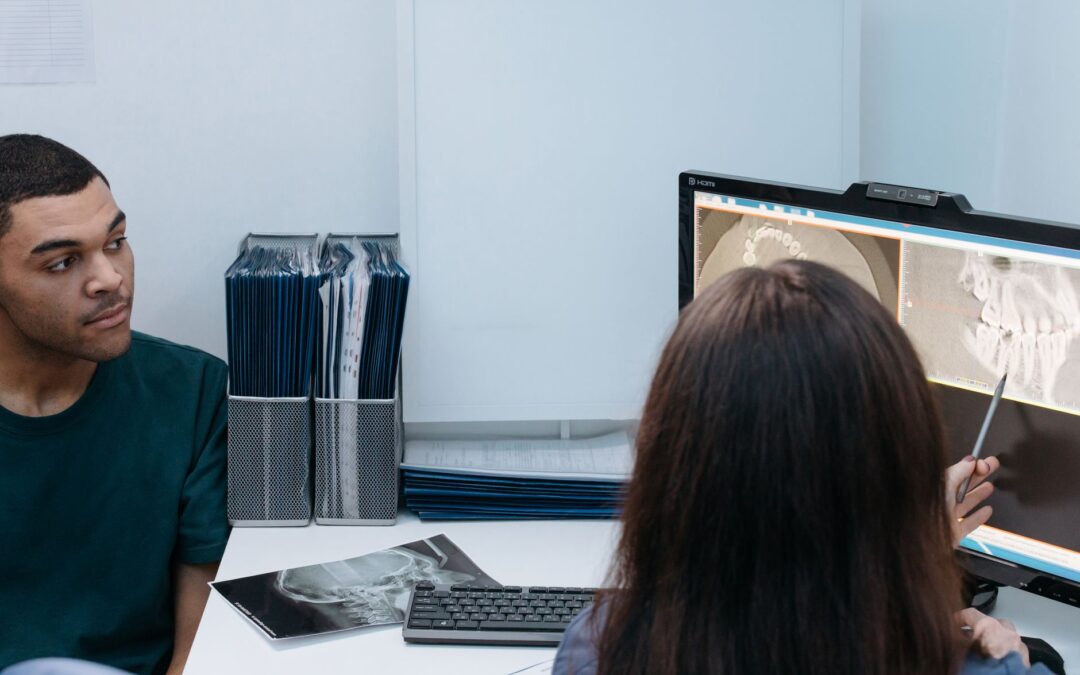
That said, this isn’t a universal rule. If only one or two teeth are problematic, or if medical factors make a shorter procedure safer, your dentist may recommend doing them separately. The decision should be based on your specific tooth positions, overall health, and life schedule — not a one-size-fits-all policy. Our team reviews each patient’s X-rays and situation individually before making a recommendation.
Myth 7: Once You’re Feeling Better, the Healing Is Done
Fact: The Socket Is Still Vulnerable for Several Weeks After Pain Resolves
Feeling good by day four or five is wonderful — it means you’re on track. But feeling fine and being fully healed are two different things. The soft tissue over the socket closes within one to two weeks, but the bone underneath remodels over several months.
The practical implication: even after pain is gone, continue avoiding anything that could irritate the healing site. That means no smoking, no very hard or crunchy foods lodged near the back of the mouth, and keeping the area clean during brushing — just carefully.
If you notice anything unusual weeks after your procedure (renewed swelling, a bad taste, or persistent numbness in the jaw), check in with your dental team. These are uncommon but worth addressing early.
The Bottom Line
Key Takeaways
- Most people feel significantly better within 3 to 4 days after a routine extraction — not a full week.
- Dry socket is real but rare (2 to 5 percent of cases) and largely preventable with simple post-op habits.
- No vigorous rinsing or straws for the first 24 hours — protecting the blood clot is the single most important thing you can do.
- Ice for the first 24 hours, then switch to gentle heat for residual jaw soreness.
- Feeling pain-free doesn’t mean fully healed. The bone remodels for months, so follow care instructions throughout.
Wisdom tooth extraction sounds intimidating, and we get that. But most patients are genuinely surprised at how manageable it is when they know what to expect going in. Our team at Vaksman Dental Group in South San Francisco walks every patient through their specific aftercare plan before they leave the chair — because the clearer the instructions, the smoother the recovery.
If you’re in South San Francisco, San Bruno, Daly City, Pacifica, or anywhere nearby and you’ve been putting off getting those wisdom teeth evaluated, we make it easy. Our wisdom teeth removal service in South San Francisco covers everything from the initial assessment through the follow-up, and we’ll tell you honestly what you’re looking at before anything is scheduled. You can also learn more about our oral surgery options in South San Francisco if your situation involves an impacted tooth.
Frequently Asked Questions
How long does wisdom teeth removal recovery actually take?
For most people with routine extractions, the active recovery — when rest and care instructions really matter — is about three to four days. You’ll feel noticeably better by then. Soft tissue closure takes one to two weeks, and the underlying bone continues to remodel for several months. Impacted teeth that require surgical removal may mean five to seven days of more noticeable discomfort.
What foods can I eat after wisdom teeth removal?
The first 24 hours: soft, cool or lukewarm foods only — yogurt, smoothies (no straw!), applesauce, mashed potatoes. By days two and three, most people can handle pasta, soft fish, warm soups without hard chunks, and scrambled eggs. Hard, crunchy, or chewy foods should wait at least a week. Avoid seeds and small food particles that could settle into the socket.
How do I know if I have dry socket?
Dry socket typically causes a sharp, throbbing pain starting two to four days after extraction, often radiating toward the ear. The area may look empty where the clot should be, and you may notice a bad taste or odor. It’s uncomfortable but very treatable — your dentist can place a medicated dressing that relieves pain quickly. If you suspect it, call your dental office rather than waiting it out.
Can I brush my teeth after wisdom teeth removal?
Yes — gentle brushing of your other teeth is fine starting the day after surgery. Just avoid the extraction sites directly for the first few days. Rinse gently with warm salt water starting around 24 hours post-procedure. When you do begin brushing near the extraction sites, use very light pressure and a soft-bristle brush. Keeping the rest of your mouth clean actually helps recovery.
Schedule Your Wisdom Tooth Consultation
Written by the Vaksman Dental Group team and medically reviewed by Dr. Irena Vaksman, DDS — South San Francisco. Last reviewed July 2026.